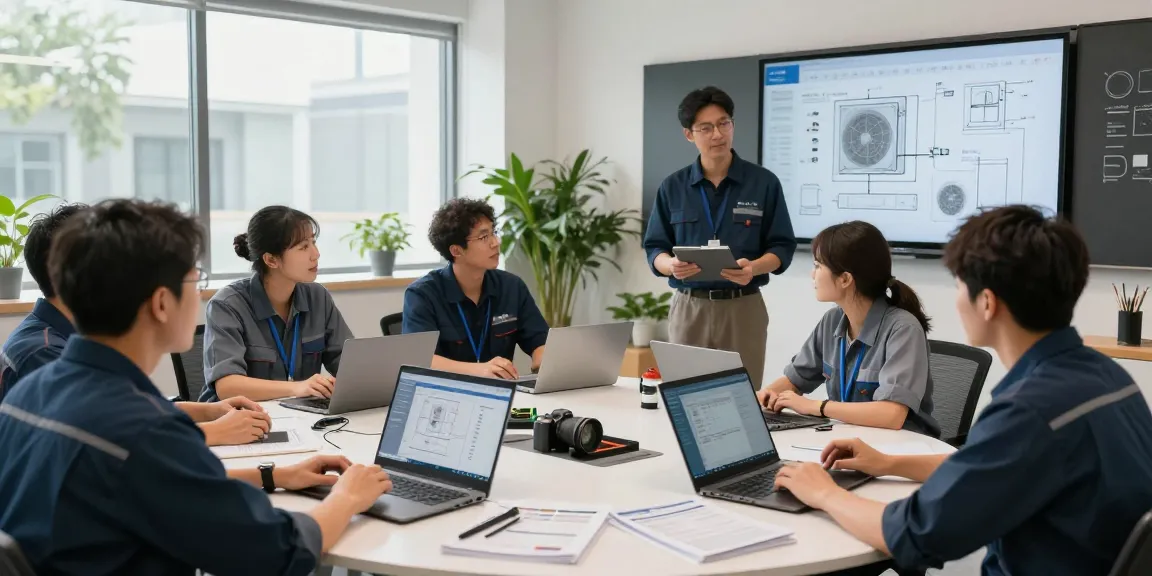
Understanding Emergency HVAC Repair BC
What is Emergency HVAC Repair?
Emergency HVAC repair refers to urgent services required for heating, ventilation, and air conditioning systems when they unexpectedly fail, particularly during extreme weather conditions. It often encompasses a range of issues including system breakdowns, gas leaks, refrigerant leaks, or any situations causing discomfort or health hazards. In emergency hvac repair bc, rapid response and expert resolution are critical to ensure comfort and safety.
Common Signs You Need Immediate Assistance
- Unusual Noises: Grinding, squealing, or banging sounds can indicate serious mechanical issues.
- Lack of Heat or Cooling: Inconsistent temperature control in your home suggests an urgent problem.
- Foul Odors: Strange smells could point to electrical problems or gas leaks that require immediate attention.
- Leaks or Moisture: Unexplained water around your HVAC unit may signal a refrigerant leak or drainage issues.
- High Utility Bills: A sudden spike in energy consumption can indicate that your HVAC system is overworking due to a malfunction.
Importance of Timely Repairs
Timely intervention in HVAC emergencies prevents minor issues from escalating into extensive repairs, saving homeowners both money and stress. Moreover, prompt repairs maintain a safe indoor environment, enhancing air quality and preventing health hazards associated with malfunctioning systems.
Choosing the Right Emergency HVAC Service in BC
Criteria for Selection
When selecting an emergency HVAC service provider, consider the following criteria:
- Licensing and Certification: Ensure the company holds the necessary licenses and certifications to perform HVAC repairs.
- Experience: Look for firms with a solid track record in emergency HVAC situations.
- Availability: Verify that the service operates 24/7 to cater to urgent needs at any time.
- Insurance: The contractor should have liability insurance to protect homeowners from potential damages during repairs.
Evaluating Customer Reviews
Customer reviews provide insights into the quality of service a company offers. Look for feedback regarding response times, technician professionalism, and overall satisfaction. Choose services that consistently receive positive ratings, indicating reliability and expertise in emergency situations.
Questions to Ask Before Hiring
Before finalizing your choice, ask potential providers these crucial questions:
- What is your response time for emergencies? This will help gauge how quickly you can expect assistance.
- Do you provide warranties on repairs? Understanding warranties can assure quality and peace of mind.
- What are your payment options? Knowing your financial obligations beforehand can prevent surprises.
- Are your technicians certified in HVAC repairs? This confirms their expertise in handling emergencies effectively.
Preparing for HVAC Emergencies
Creating an Emergency Checklist
Preparation is key when it comes to HVAC emergencies. Creating an emergency checklist helps ensure that you can act swiftly if issues arise. Consider including:
- Contact information for your HVAC service provider.
- A list of signs that indicate an emergency.
- Steps to take immediately after identifying an issue.
- Documentation of your HVAC system's maintenance history.
Maintaining Your HVAC System
Regular system maintenance is crucial for preventing emergencies. Schedule seasonal check-ups, change air filters, and keep the external unit clear of debris. Investing in routine maintenance prolongs the life of your HVAC system while optimizing its efficiency.
When to Schedule Routine Maintenance
Routine maintenance should ideally be scheduled twice a year—once before winter and once before summer. This ensures your heating and cooling systems are in optimal condition for upcoming workload demands, minimizing the likelihood of emergencies.
DIY Tips for Minor HVAC Issues
Checking Thermostat Settings
Before calling for emergency services, always check your thermostat settings. Ensure that it’s set to the appropriate temperature and that nothing obstructs the unit. Sometimes, simply adjusting the settings can restore normal functionality.
Inspecting Air Filters
Dirty air filters can significantly impede airflow and strain your HVAC system. Regularly inspect your filters and replace them every one to three months to enhance efficiency and indoor air quality.
Identifying Common Problems
Familiarize yourself with common HVAC problems that you might be able to resolve before calling a professional. These include checking for blockages in vents or using a multimeter to check electrical connections for issues.
Post-Repair Considerations
Signs of Temporary Fixes
Many emergency repairs can result in temporary fixes. Look out for recurrent noises or issues arising shortly after repair. If symptoms return, consider contacting another technician for a second opinion on the adequacy of the solution.
Long-Term HVAC Solutions
Following emergency repairs, consider scheduling a comprehensive system evaluation. This assessment can reveal underlying issues that might need addressing, preventing future emergencies and enhancing system performance.
Customer Support and Follow-Up Services
Ensure that your HVAC provider offers robust customer support and follow-up services. This should include warranties for repairs, accessible customer service channels, and regular check-in offers to ensure your system maintains peak performance.
Frequently Asked Questions
What should I do if my HVAC system stops working?
First, check your thermostat settings and ensure filters are clean. If issues persist, contact an emergency HVAC repair service for assistance.
Are emergency HVAC repairs expensive?
The cost varies based on the issue and urgency. However, timely repairs can prevent larger costs in the long run.
How do I know if I need emergency repairs?
Signs include strange noises, inadequate heating/cooling, foul odors, or visible leaks. All warrant immediate professional attention.
Can I perform any HVAC repairs myself?
Minor checks like inspecting filters or adjusting thermostats can be DIY. Complex issues should always be handled by professionals.
How often should I schedule HVAC maintenance?
Ideal maintenance frequency is twice a year—typically before summer and winter—to keep systems running efficiently and reduce emergency risks.