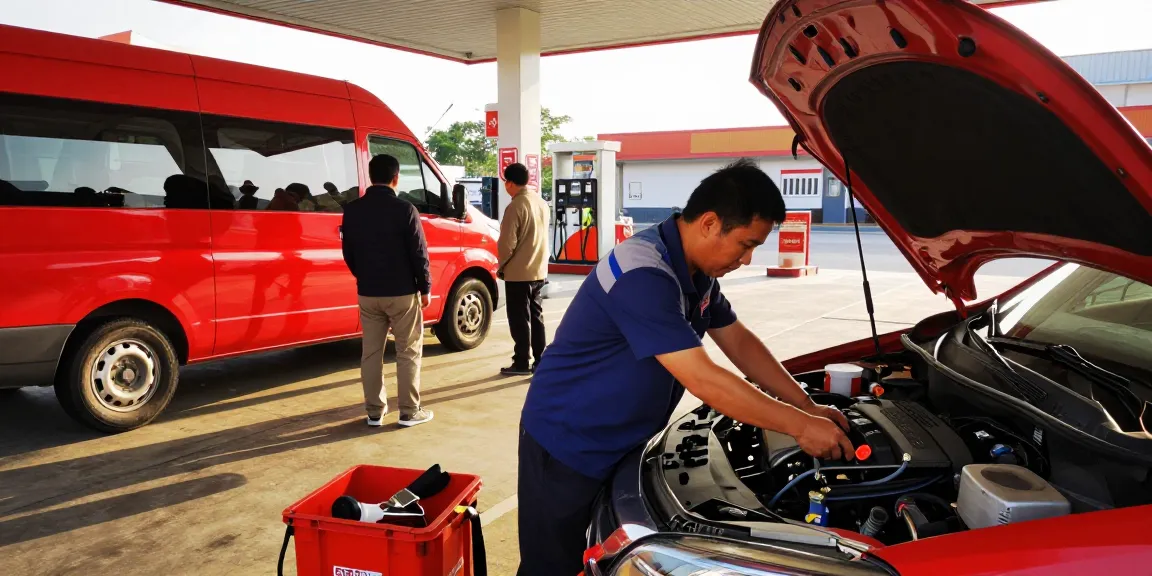
Understanding Car Fuses: Functions and Types
What Are Car Fuses?
Car fuses are crucial components in automotive electrical systems, serving as protective devices that prevent excessive current from damaging wiring and components. They act as a safety net, interrupting the flow of electricity when a fault occurs, which can include a short circuit or an overload. Essentially, fuses ensure that your vehicle's electrical systems function correctly without risking damage to sensitive components. For a more detailed understanding of fuses and their functions, you can explore the information available at https://bezpieczniki24.pl.
Different Types of Fuses in Automotive Systems
The automotive industry employs several types of fuses, each designed for specific applications. The most common types include:
- Blade Fuses: These are the most prevalent type used in modern vehicles. Available in various amperages, they slot directly into fuse boxes and have color-coded plastic housings that indicate their rating.
- Glass Tube Fuses: Often found in older vehicles, these fuses consist of a glass tube with a metal filament. They can be more challenging to identify when blown, as the filament is not easily visible.
- Mini and Low-Profile Fuses: These are smaller versions of blade fuses, designed to fit tighter spaces within the fuse box. Their physical size does not diminish their effectiveness in protecting the circuit.
- Circuit Breakers: Unlike traditional fuses, circuit breakers can be reset after they trip. They serve a similar purpose but offer the convenience of reuse without replacement.
Common Issues and Troubleshooting Tips
Car fuses can fail for several reasons, leading to various symptoms in your vehicle. Some common issues include:
- Electrical Overloads: If too many components draw power from the same circuit, the fuse may blow to prevent damage.
- Short Circuits: Faulty wiring can create a direct path for current, leading to blown fuses. It’s crucial always to inspect any wire insulation for damage.
- Corrosion: Corrosion on the fuse terminals can prevent proper electrical contact, leading to system failure.
To troubleshoot these issues, start by checking the fuse box for any visible blown fuses. Replace them with fuses of the same amperage and inspect wiring and components connected to the blown fuse for potential faults.
How to Identify a Blown Fuse
Signs of a Blown Fuse
Identifying a blown fuse can often be done through several indicators:
- Power Loss: If a particular electrical component fails to function, the corresponding fuse may be blown.
- Visual Inspection: A blown fuse may show physical signs, such as a broken filament visible through a transparent casing or discoloration of the fuse body.
- Burned Smells: A burnt smell near the fuse box can indicate an overloaded circuit that may have led to a blown fuse.
Tools Needed to Check Fuses
To check fuses effectively, you will need:
- A fuse puller or a pair of needle-nose pliers for safe removal.
- A multimeter to test for continuity and check if the fuse is functioning properly.
- A flashlight to help inspect the fuse and surrounding area.
Step-by-Step Guide to Fuse Inspection
Follow these steps to investigate a fuse:
- Locate the Fuse Box: Refer to your vehicle’s manual for the exact location of the fuse box.
- Remove the Fuse: Using a fuse puller or pliers, gently remove the fuse you suspect is blown.
- Check the Fuse: Examine it visually or use a multimeter to test continuity.
- Replace if Necessary: If it’s blown, replace it with a fuse of the same amperage.
- Test the Component: Once replaced, check to see if the previously non-functioning component operates correctly.
Replacing Car Fuses: A Practical Approach
When to Replace a Fuse
Fuses should be replaced when they show visible signs of damage or when they blow and disrupt the operation of vital electrical systems in your vehicle. Regular vehicle maintenance, especially in older models, can help identify potential issues before they lead to fuse failure.
How to Properly Replace a Fuse
The process of fuse replacement is straightforward:
- Safety First: Always ensure your vehicle is turned off before working on the electrical system.
- Identify the Correct Replacement: Use the vehicle’s manual to find the appropriate amperage for the blown fuse.
- Insert the New Fuse: Place the new fuse into the appropriate slot in the fuse box.
- Test the System: Turn on the vehicle and test the electrical component to ensure it's functioning.
Safety Precautions to Consider
While replacing fuses is a simple task, it’s crucial to follow these safety measures:
- Always work with the vehicle powered down to prevent shocks or shorts.
- Avoid using fuses with a higher amperage, as this can lead to electrical fires or damage to components.
- If a fuse repeatedly blows, consult a professional to diagnose underlying issues.
Understanding Relay Systems in Vehicles
How Relays Work in Automotive Circuits
Relays are electrically operated switches that help manage the flow of electricity to various components in your vehicle. A small electric current from the vehicle’s battery triggers the relay, which then allows a larger current to flow to a device, such as headlights or fuel pumps. This reduces the load on the vehicle’s switches, enhancing reliability and performance.
Different Types of Relays and Their Uses
Several types of relays are utilized in automotive systems:
- Standard Relays: Control devices like headlights, horns, and ignitions.
- Micro Relays: Compact versions used in smaller spaces, often dealing with lighter loads.
- Smart Relays: Allow for greater control and can communicate with vehicle systems for optimized function.
Signs of Relay Failure in Your Vehicle
Understanding the signs of relay failure can prevent larger problems:
- No Functionality: A relay that fails will stop its associated devices from functioning.
- Inconsistent Operation: Intermittent operation or devices that flicker are often signs of relay issues.
- Burning Smell: A burnt smell can suggest overheating relays, potentially leading to a fire.
Maintenance Tips for Fuses and Relays
Keeping Your Electrical System Functional
To maintain an efficient and functional electrical system, regular inspections of fuses and relays are essential. This helps to mitigate potential issues before they become significant problems. Keeping spare fuses in the vehicle is also advisable, as it allows for quick replacements in emergencies.
Regular Inspection and Maintenance Routines
Schedule regular checks of your vehicle’s fuse box and relays, particularly during routine maintenance. Look for corrosion, signs of overheating, and ensure that all components are securely seated and functioning correctly.
When to Seek Professional Help
If you encounter recurrent fuse issues, relay malfunctions, or system failures that you cannot resolve, it’s best to consult a professional mechanic. They can provide a thorough diagnostic to identify underlying electrical problems and offer solutions to restore your vehicle’s performance.