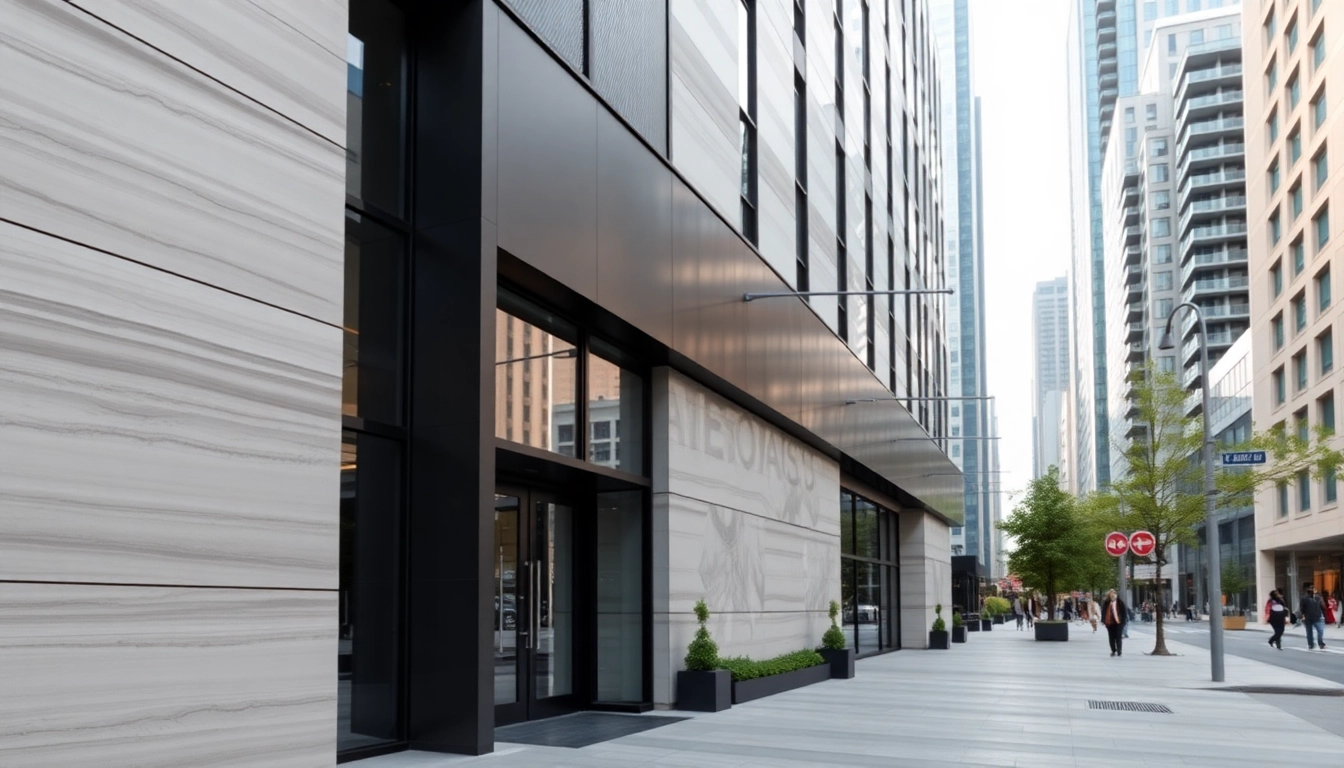
Introduction to Modern Exterior Facade Panels
In the world of architecture and design, the exterior of a building is often the first impression it makes on observers. One way to create a significant visual impact is through the use of Modern Exterior Facade Panels. These innovative elements not only enhance aesthetic appeal but also contribute significantly to building performance and energy efficiency. In this comprehensive guide, we will explore what modern exterior facade panels are, their benefits, design inspirations, installation guidelines, maintenance tips, and the future of these architectural features.
What Are Modern Exterior Facade Panels?
Modern exterior facade panels are exterior cladding systems designed to protect buildings from environmental elements while providing an aesthetic touch. Typically fabricated from various materials—such as wood, metal, stone, or synthetic composites—these panels serve both functional and decorative purposes. They can be used in residential homes, commercial buildings, and public structures, allowing architects and builders flexibility in design. While traditional siding materials like wood and brick have been popular for decades, modern facade panels offer an array of advanced properties, including durability, ease of maintenance, and a variety of finishes. The diversity in styles and materials available today allows for personalized and contemporary design choices, making the facade a focal point of architectural creativity.
Benefits of Using Modern Exterior Facade Panels
The advantages of installing modern exterior facade panels are numerous. Here are some key benefits: 1. Durability: Constructed from long-lasting materials, modern facade panels can withstand harsh weather conditions, resist fading, and endure impacts without compromising structural integrity. 2. Energy Efficiency: Improved insulation properties help to regulate indoor temperatures, leading to lower energy bills and an eco-friendlier building approach. 3. Low Maintenance: Many modern facade materials are designed to be low-maintenance, requiring little more than periodic cleaning to keep them looking their best. 4. Aesthetic Versatility: From sleek modern designs to rustic looks, facade panels can match various architectural styles, enhancing the overall appearance of any property. 5. Easy Installation: Many modern panels come with simplified installation systems that save time and labor costs, allowing for quicker project completion.
Common Materials and Their Characteristics
The choice of material for exterior facade panels plays a crucial role in performance and appearance. Here are some common materials used: - Fiber Cement: Known for its strength and resistance to weather, insects, and fire, fiber cement provides a classic look while requiring minimal upkeep. - Metal: Aluminum and steel panels are prized for their modern aesthetic, durability, and recyclability. They are available in various finishes and colors. - Vinyl: An affordable option, vinyl panels mimic the look of wood without the upkeep. They are lightweight, easy to install, and available in numerous styles. - Wood Composite: Made from a blend of wood fibers and resin, wood composite panels offer the appeal of natural wood without succumbing to pests and decay. - Natural Stone: Stone panels add luxury and natural beauty but usually come with higher installation costs.
Design Inspirations for Modern Exterior Facade Panels
The beauty of modern facade panels lies in their ability to adapt to various design philosophies. Here are some inspirations for your next project.
Contemporary Aesthetic Trends
Current trends in exterior design highlight simplicity and minimalism. This might include using clean lines, geometric shapes, or a monochromatic color scheme. The layering of different panel materials allows for visual depth while maintaining an overall cohesive look. Furthermore, the integration of large windows can enhance the connection between indoor and outdoor spaces, contributing to a modern touch.
Combining Colors and Textures
A strategic mix of colors and textures can produce striking visual effects on a facade. Consider darker tones at the bottom of a building to add stability, with lighter shades up top for elevation. Textured panels can also create a sense of contrast when paired with smooth surfaces, leading to compelling visual interactions.
Eco-Friendly Design Considerations
Sustainability continues to influence architectural trends. Opting for eco-friendly materials, incorporating green roofs, or integrating natural lighting can enhance a building’s environmental profile. Panels made from recycled or sustainably sourced materials can further elevate the green credentials of a project.
Installation Guidelines for Modern Exterior Facade Panels
Installing modern exterior facade panels may seem daunting, but with proper preparation and guidance, you can achieve a fantastic outcome.
Preparation Steps for Installation
Before installation, take the time to plan your project meticulously. Factors to consider include: 1. Building Inspection: Check for existing damage or required repairs on the structure where the panels will be mounted. 2. Weather Conditions: Ensure suitable weather conditions to avoid complications during installation. 3. Design Layout: Plan the arrangement and orientation of the panels based on desired aesthetics and potential environmental factors.
Tools and Materials Needed
Gather the following tools and materials to ensure a smooth installation process: - Measuring tape - Levels and squares - Saw (for cutting panels) - Drill or nail gun - Fasteners (screws or adhesive) - Safety gear (gloves, glasses, and hard hats)
Step-by-Step Installation Process
1. Measure and Mark: Start by measuring the wall area where the panels will be installed. Mark guidelines for installing the panels evenly. 2. Install a Water-Resistant Barrier: Place a water-resistant barrier over the existing wall to protect against moisture. 3. Attach the Panels: Begin at the bottom corner and work your way up, fastening panels according to the manufacturer’s instructions. 4. Seal Joints: Apply sealant to any joints to minimize water intrusion and prevent air leaks. 5. Final Inspection: Review all panels to ensure proper alignment, secure fastenings, and seamless appearance.
Maintenance and Care for Modern Exterior Facade Panels
Keeping your facade panels in top condition will extend their lifespan and preserve their aesthetic values.
Cleaning and Upkeep Best Practices
Regular cleaning is crucial for maintaining the appearance of facade panels. Here are a few best practices: - Use Mild Detergents: A mild cleanser mixed with water can be effective in removing dirt and debris without damaging the panels. - Avoid Abrasives: Do not use abrasive materials, as they can scratch or wear down the surface of the facade. - Schedule Seasonal Checks: Twice a year, inspect the panels for cracks, moisture intrusion, or loose fittings.
Identifying Damage and Repair Tips
- Check for Cracks or Warping: Regularly inspect panels for visible damage such as cracks or warping. Address any issues promptly to prevent further deterioration. - Repainting: If using painted panels, lean towards paints that match the original color and texture for a seamless repair. - Panel Replacement: For damaged or severely deteriorated panels, complete replacement might be necessary. Ensure you source the same material for a consistent aesthetic.
Long-term Care for Durability
To maintain the durability of facade panels, adhere to these tips: - Apply Protective Coatings: Some panels benefit from protective coatings that enhance their resistance to UV rays and moisture. - Maintain Proper Drainage: Ensure gutters and downspouts function effectively to direct water away from the building, protecting the integrity of the facade. - Stay Updated: Keep abreast of new maintenance techniques or materials that may increase the longevity of your facade.
Conclusion and Future of Modern Exterior Facade Panels
As architecture continues to evolve, the standards for building facades are also set to rise.
Innovations in Facade Panel Technology
Future trends will likely focus on smart materials that can adjust to environmental conditions. Innovations may include panels integrated with solar technology for energy savings or materials that can self-clean to maintain aesthetic appeal.
Trends to Watch in Exterior Design
Watch for increased emphasis on sustainability, as building codes adapt to climate concerns. Additionally, urban settings are likely to promote vertical gardens and living facades that contribute to biodiversity in increasingly dense populations.
Final Thoughts on Modern Exterior Facade Panels
Modern exterior facade panels serve as a bridge between utility and beauty, making them a significant component of contemporary architecture. With their numerous benefits and the potential for innovative design, these panels will remain a cornerstone in building facades for years to come.
Frequently Asked Questions
1. What are the most common materials used for modern exterior facade panels?
The most common materials include fiber cement, metal, vinyl, wood composite, and natural stone, each chosen for different aesthetic and performance attributes.
2. How can modern exterior facade panels improve energy efficiency?
These panels provide better insulation, reduce heat loss, and can be designed to minimize the building's energy consumption through improved thermal performance.
3. How often should I clean my facade panels?
It is advisable to clean facade panels at least twice a year, removing dirt and debris to maintain their appearance and performance.
4. What are some eco-friendly options for facade materials?
Eco-friendly facade materials include recycled composites, sustainably sourced wood, and products designed for energy efficiency, promoting a lower environmental impact.
5. Can I install facade panels myself, or should I hire a professional?
While experienced DIYers may install panels, hiring a professional ensures proper technique and adherence to safety regulations, especially for larger projects.