Understanding the Standing Seam Metal Roof Concept
What is a Standing Seam Metal Roof?
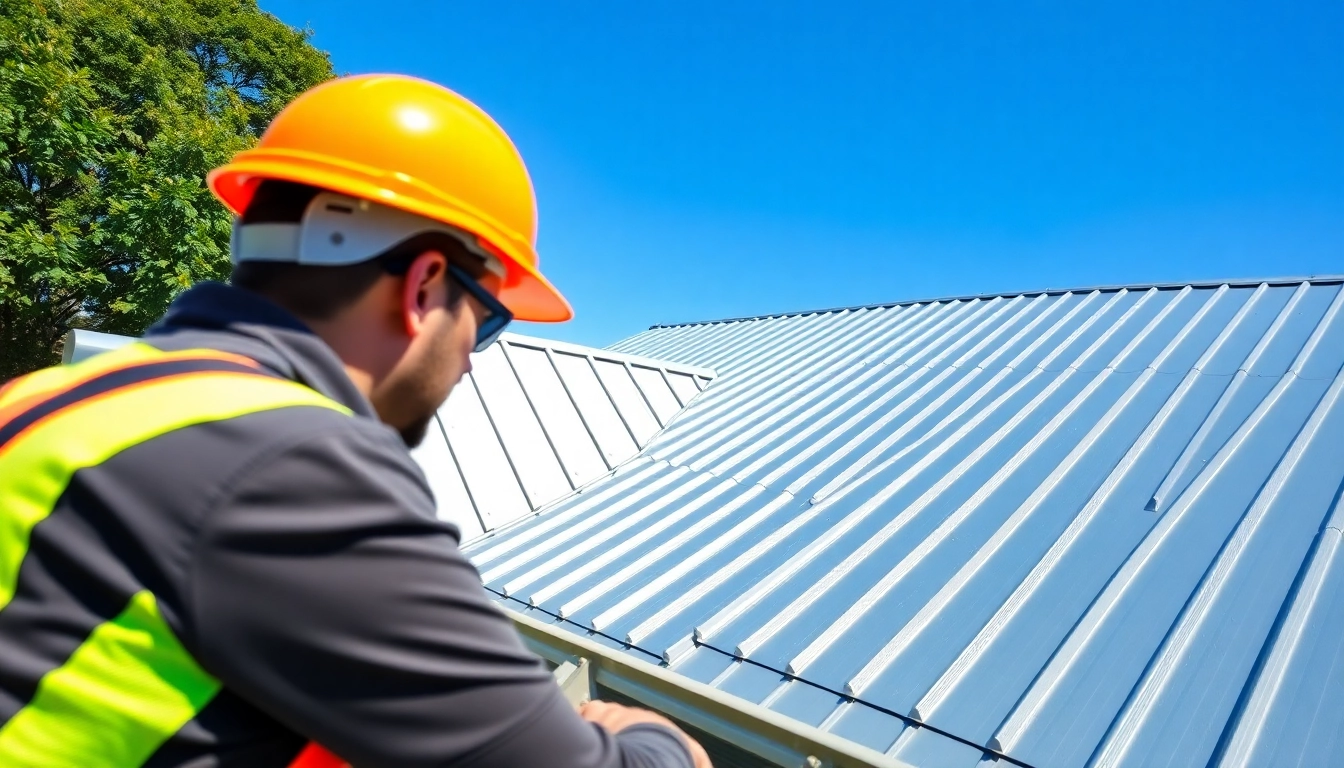
A standing seam metal roof is a modern roofing solution characterized by its vertical seams that run the length of the roof. These seams are raised above the plane of the roof, which helps to create a distinctive and sleek aesthetic while also providing superior protection against water intrusion. Unlike traditional roofing materials, standing seam roofs are typically made of metal, such as steel, aluminum, or zinc, making them a popular choice for both residential and commercial buildings.
Key Features of Standing Seam Roofs
Standing seam metal roofs possess several distinguishing features, including:
- Durability: Made from high-quality metals, they resist rust, corrosion, and impact.
- Low Maintenance: Their design minimizes the need for regular upkeep.
- Wide Range of Colors: Available in multiple finishes to match architectural styles.
- Energy Efficiency: Reflective coatings can help reduce energy costs.
Common Materials Used
Typically, standing seam metal roofs are constructed from a variety of metals, including:
- Steel: Galvanized or galvalume steel is popular due to its cost-effectiveness and strength.
- Aluminum: Lightweight and resistant to corrosion, making it ideal for coastal areas.
- Zinc: Offers natural patina and long lifespan but is generally more expensive.
Benefits of Choosing a Standing Seam Metal Roof
Durability and Longevity
One of the primary advantages of a standing seam metal roof is its durability. These roofs typically last 50 years or more, far surpassing traditional roofing materials like asphalt shingles, which may require replacement every 15-20 years. The performance of metal roofs under extreme weather conditions also enhances their credibility as a reliable roofing choice.
Energy Efficiency Advantages
Standing seam metal roofs offer energy efficiency through reflective coatings that can reduce heat absorption. This helps lower cooling costs during hot months and is increasingly valued as energy prices continue to rise. Additionally, proper insulation can further boost the energy performance of these roofs.
Weather Resistance and Performance
Designed to withstand severe weather, standing seam roofs resist high winds, heavy snowfall, and fire. The vertical seams also prevent water penetration more effectively than traditional roofs, enhancing their overall reliability. Their robust construction allows them to perform exceptionally well under varying climatic conditions.
Installation Process for a Standing Seam Metal Roof
Preparation and Planning Steps
Proper preparation is key to successful installation. Homeowners should begin with a complete inspection of their existing roof structure. After ensuring the roof deck is solid, measurements must be taken accurately to determine material needs. Planning for proper drainage, ventilation, and insulation are also essential components of this stage.
Tools and Equipment Required
The installation of a standing seam metal roof requires specific tools, including:
- Metal Cutting Tools: Such as snips or shears for precise cuts.
- Cordless Drill: For securing panels and seams.
- Safety Gear: Hard hats, gloves, and harnesses for worker safety.
- Measuring Equipment: Levels and tapes for accurate installations.
Best Practices for Installation
To ensure a seamless installation, following these best practices is crucial:
- Follow Manufacturer Guidelines: Adhere to specified procedures and instructions.
- Install Panels from the Low Point: Start from the eaves and move upwards.
- Maintain Consistent Overlaps: Ensure that seams are properly overlapped for optimal water resistance.
- Regularly Check Alignment: Use levels frequently to keep panels straight and even.
Maintenance Tips for Longevity
Routine Inspections
Routine inspections should be conducted bi-annually or after significant weather events. These inspections help identify any potential issues early, such as loose seams or damage from debris. Addressing problems right away can prevent costly repairs or premature roof replacements.
Cleaning and Maintenance Guidelines
Cleaning a standing seam metal roof is relatively straightforward but should be done with care. Use a mild detergent and a soft-bristle brush to avoid scratching the finish. It's also vital to remove leaves and debris to prevent water pooling, which can lead to corrosion over time.
Signs of Damage to Watch For
Homeowners should be vigilant about checking for signs of damage, including:
- Rust or corrosion on metal panels.
- Loose seams or panels.
- Unusual water pooling during rains.
- Excessive debris buildup on the roof surface.
Frequently Asked Questions About Standing Seam Metal Roofs
How long do standing seam metal roofs last?
Standing seam metal roofs can last 50 years or more with proper maintenance and installation, making them a durable roof choice.
Are standing seam metal roofs suitable for all climates?
Yes, standing seam metal roofs are versatile and can withstand various climate conditions, including extreme heat, cold, and high winds.
What is the cost comparison with traditional roofing?
While the initial investment for standing seam metal roofs is higher than traditional options, their durability and energy efficiency can lead to long-term savings.
Can I install a standing seam metal roof myself?
While DIY installation is possible, it’s recommended to hire a professional to ensure quality and compliance with local building codes.
Do standing seam metal roofs require special insulation?
Standing seam metal roofs do not require special insulation, but adequate insulation should be installed to maximize energy efficiency.