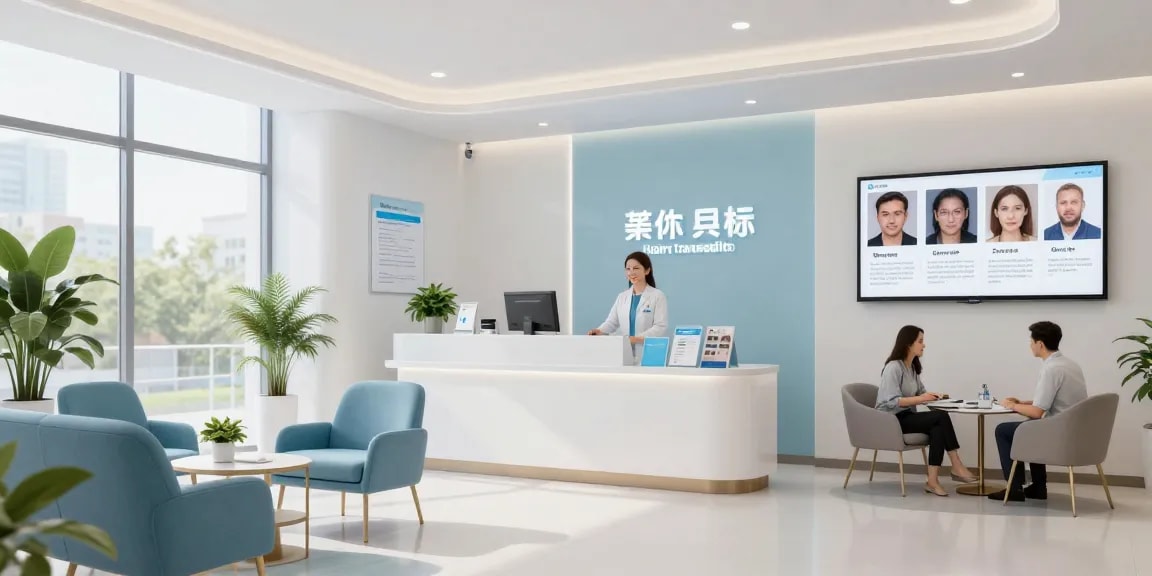
Understanding the Landscape of Patient Care
In an era where healthcare systems are continuously evolving, understanding the intricate dynamics of patient care has never been more important. Patient care transcends traditional medical treatment; it encompasses the entirety of a patient's experience within the healthcare system, from the accessibility of services to the quality of interactions with providers. Organizations dedicated to improving patient care can leverage innovative practices to better meet patient needs and enhance overall satisfaction.
Quality healthcare is not solely reliant on advanced medical technologies or treatments but also hinges on delivering a holistic experience that prioritizes the patient. This experience is increasingly defined by several key components, which we will explore in depth.
Key Components of Quality Healthcare
Quality healthcare is anchored in multiple fundamental components that collectively form a patient-centric approach. These components include:
- Accessibility: Delivering services that are readily available to patients regardless of their demographics or geographic location.
- Affordability: Ensuring that care is financially attainable, ultimately preventing financial toxicity among patients.
- Patient Safety: Implementing protocols and checks to minimize the risk of errors and complications.
- Patient Outcomes: Focusing on improving health results through evidence-based practices and continuous monitoring.
- Patient Engagement: Encouraging an active role in their care process, from treatment choices to self-management strategies.
Trends in Patient Experience Management
Understanding current trends in patient experience is crucial for organizations aiming to enhance their care delivery methods. Recent data indicates a significant shift towards prioritizing emotional and psychological support alongside traditional medical treatments. Key trends include:
- Telehealth: The rise of virtual consultations has made care more accessible while reducing the burden on healthcare facilities.
- Patient Feedback Integration: Actively seeking and utilizing patient feedback to inform decisions and improve offerings.
- Holistic Care Models: Incorporating mental health resources and social services into traditional medical care for comprehensive support.
Role of Technology in Healthcare
Technology plays a pivotal role in shaping modern healthcare delivery. From electronic health records (EHR) to patient portals and mobile health applications, technology enhances communication, accessibility, and efficiency. Important areas of focus include:
- Data Analytics: Utilizing patient data to identify trends and areas for improvement, ultimately refining care pathways.
- Artificial Intelligence (AI): Enhancing diagnostic accuracy and personalized treatment plans through AI-driven algorithms.
- Patient Engagement Tools: Interactive apps and platforms that encourage patient involvement and education.
Implementing Patient-Centric Strategies
To address the evolving landscape of patient care, healthcare organizations must intentionally implement patient-centric strategies. These strategies not only align services with patient needs but significantly improve the overall experience.
Aligning Services with Patient Needs
Understanding and aligning services with patient needs is central to delivering high-quality care. This can be achieved through:
- Market Research: Conducting studies to comprehend the needs, preferences, and expectations of patients.
- Service Design: Developing healthcare services that are flexible and responsive to different patient demographics.
- Collaborative Care: Engaging multi-disciplinary teams to ensure holistic approaches to complex health issues.
Creating Effective Communication Channels
Effective communication is the backbone of patient-centered care. Establishing open, clear, and compassionate communication channels can lead to significant improvements in patient satisfaction. Strategies include:
- Training Staff: Equipping healthcare providers with communication skills that support empathetic interactions.
- Patient Portals: Offering platforms for patients to access their health information, schedule appointments, and communicate with providers.
- Feedback Mechanisms: Implementing systems for capturing patient sentiments and acting on them to enhance service.
Personalizing the Healthcare Experience
Personalization is a powerful tool in healthcare. Patients who feel that their care is tailored to their unique situations and preferences are more likely to be engaged and satisfied. Ways to achieve personalization include:
- Customized Treatment Plans: Creating individualized care strategies that consider a patient's lifestyle, values, and goals.
- Follow-Up Protocols: Establishing personalized follow-ups to address any complications or additional inquiries.
- Education and Resources: Providing tailored educational material that resonates with diverse patient backgrounds.
Measuring Success in Patient Care
To ensure that patient care strategies are effective, organizations must focus on measuring success through various metrics and indicators. This systematic approach allows for real-time adjustments and improvements.
Defining Key Performance Indicators
Establishing clear Key Performance Indicators (KPIs) is essential for assessing the effectiveness of patient care initiatives. Critical KPIs include:
- Patient Satisfaction Scores: Evaluating overall satisfaction through surveys and feedback tools.
- Access Metrics: Monitoring wait times and appointment availability to ensure patient accessibility.
- Clinical Outcomes: Measuring recovery rates, readmission statistics, and overall health improvements over time.
Monitoring Patient Feedback Effectively
Collecting and analyzing patient feedback is vital for continuous improvement. Employing effective strategies to gather insights can include:
- Surveys and Questionnaires: Regularly administering tools to gauge patient experiences and perceptions.
- Focus Groups: Engaging small groups of patients in discussions to extract deeper insights.
- Online Reviews: Monitoring social media and review sites to gather public sentiment about care experiences.
Analyzing Service Outcomes and Adjustments
Once data is collected, analyzing outcomes is crucial for identifying trends and implementing necessary changes. This involves:
- Data Integration: Leveraging comprehensive data analytics tools to visualize performance metrics and outcomes.
- Benchmarking: Comparing performance against industry standards or peer organizations to identify areas for improvement.
- Iterative Improvement: Developing cycles of testing, learning, and modifying strategies to optimize patient care continually.
Challenges and Solutions in Healthcare Delivery
While advancing patient care strategies, organizations must navigate various challenges that can hinder effective service delivery. Addressing these challenges head-on is key to delivering quality care.
Identifying Common Barriers to Care
Accessibility to quality healthcare can often be obstructed by numerous barriers, including:
- Logistical Barriers: Issues like transportation difficulties, especially for patients in rural areas.
- Financial Limitations: High costs of care resulting in healthcare deserts for low-income patients.
- Cultural Competency Gaps: Insufficient understanding of diverse cultural values that affect patient interactions and treatment decisions.
Strategies for Overcoming Patient Engagement Issues
Engaging patients in their care is vital, but barriers to engagement can complicate this process. Effective strategies include:
- Educational Initiatives: Offering programs that inform patients about their health conditions and available treatment options.
- Behavioral Nudge Techniques: Utilizing subtle prompts to influence positive health behaviors.
- Support Networks: Establishing peer support groups to foster community among patients facing similar health challenges.
Innovative Approaches to Healthcare Accessibility
Global healthcare systems are increasingly focused on innovative solutions to enhance accessibility. Promising approaches include:
- Mobile Clinics: Deploying mobile health units to reach underserved communities effectively.
- Community Health Workers: Training individuals from local communities to provide basic health services and education.
- Remote Monitoring: Implementing technology for continuous patient monitoring, reducing the need for frequent hospital visits.
Case Studies: Success Stories in Patient Care
Learning from practical examples of successful patient care initiatives can provide valuable insights. Examining case studies helps foster best practices that can be replicated in various settings.
Examples of Effective Strategies in Action
Highlighting specific instances where organizations have successfully enhanced patient care can inspire change. Successful examples might include:
- Integrated Behavioral Health: Programs that combine physical and mental health services to improve patient outcomes.
- Care Coordination Models: Streamlined patient pathways that ensure seamless transitions through various stages of care.
- Outreach Programs: Initiatives designed to reach at-risk populations with tailored messaging and resources.
Lessons Learned from Patient Feedback
Patient feedback has continuously unveiled critical insights that can drive operational improvements. Important lessons include:
- The Importance of Empathy: Patient testimonials often highlight the need for compassionate care in all interactions.
- Streamlined Processes: Feedback emphasizes the necessity for efficiently structured appointment schedules and reduced wait times.
- Technology Utilization: Insights indicate a desire for more accessible technologies that facilitate easier communication with healthcare providers.
Future Directions for Patient-Centric Healthcare
Looking towards the future, healthcare delivery is poised to undergo substantial transformations influenced by patient needs, technological advancements, and evolving best practices. Potential directions include:
- Predictive Analytics: Utilizing data to foresee health trends and proactively adapt care services.
- Customized Health Plans: Moving towards more individualized care plans that resonate with personal patient goals and preferences.
- Strengthened Community Partnerships: Collaborating with third-party organizations to address social determinants of health affecting patients.
In conclusion, enhancing patient experience and healthcare delivery requires a commitment to understanding patient needs and continually adapting to meet those needs. By focusing on alignment, measurement, engagement, and addressing barriers, healthcare organizations can build a foundation for lasting improvements that ultimately drive better care quality. For more insights and resources on patient care strategies, visit https://www.medexdtc.com.