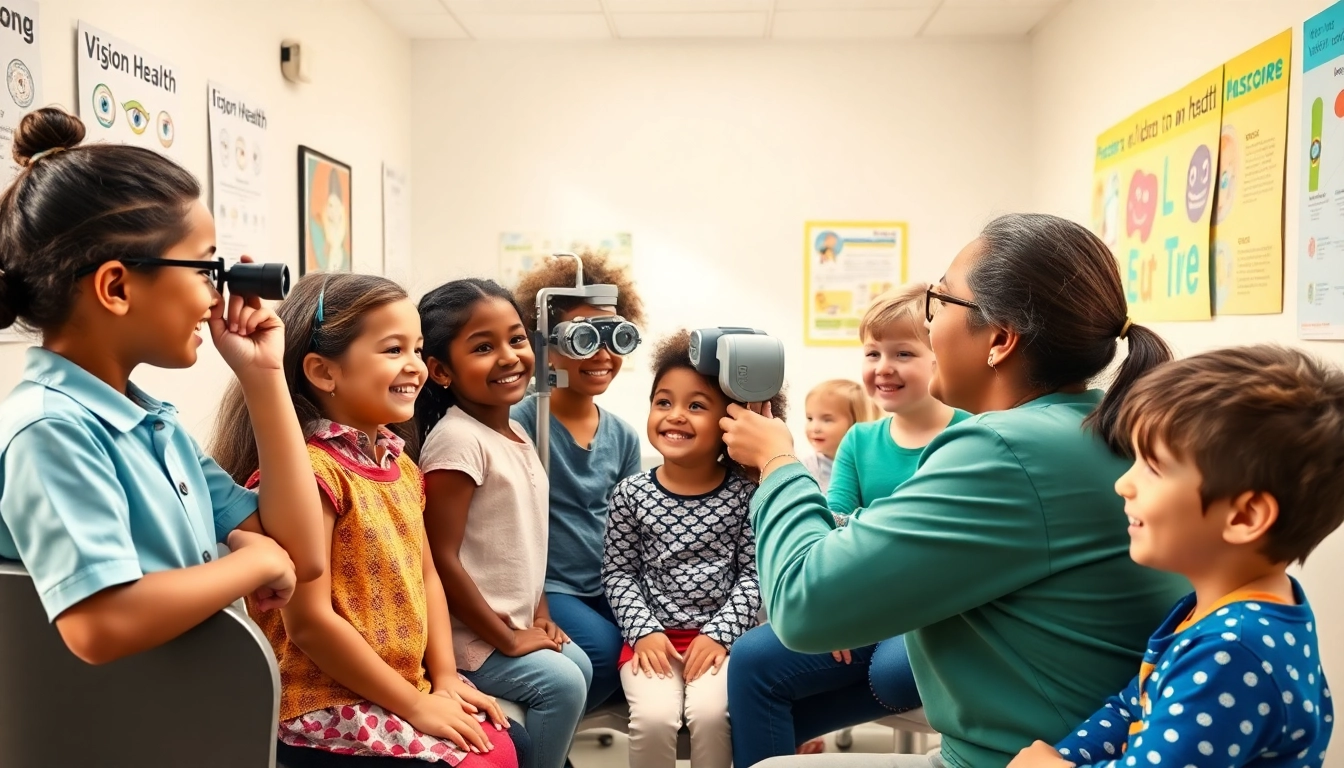
Understanding the Importance of Our Children's Vision
Vision plays a crucial role in child development, influencing their ability to learn, interact socially, and engage in physical activities. The health of a child's eyesight directly impacts not only their educational outcomes but also their overall well-being. The initiative known as Our Children's Vision aims to address these critical needs by providing access to comprehensive eye care solutions for children across varying demographics. Understanding the significance of this vision health initiative helps to underline the urgency in addressing child eye health issues effectively.
The Impact of Vision on Child Development
Children require clear eyesight for nearly all developmental milestones. Vision is intertwined with cognitive development, as children predominantly learn from what they see. Poor vision can hinder academic progress, as many learning tools rely on visual comprehension. For instance, children with undiagnosed vision problems may struggle in school due to an inability to see the board clearly or read assigned materials. Moreover, their confidence levels can decline, leading to social withdrawal. Engaging in sports and outdoor activities also becomes challenging, potentially affecting their physical health and social skills.
Common Vision Issues Affecting Children
Several prevalent vision issues can affect children, including but not limited to:
- Myopia (Nearsightedness): Commonly seen in school-aged children, this condition makes distant objects appear blurry.
- Hyperopia (Farsightedness): Characterized by difficulty focusing on nearby objects, it can hinder reading and close work.
- Astigmatism: This condition leads to distorted or blurred vision due to an irregularly shaped cornea.
- Amblyopia (Lazy Eye): Often a result of an underlying issue, such as strabismus (crossed eyes), it involves poor vision in one eye that the brain favors.
- Strabismus: Involves misalignment of the eyes, leading to binocular vision problems.
These vision issues can significantly impact various aspects of a child's life and can be exacerbated by a lack of access to healthcare resources.
Why Access to Eye Care Matters
Access to eye care is not just a medical necessity; it is a foundational element of a child's ability to thrive. Many children, especially in underserved populations, lack the necessary resources for routine vision screenings and comprehensive eye exams. Such neglect can lead to exacerbated health issues that impede their overall development and opportunities in life. The Our Children's Vision initiative is aimed at bridging this gap, advocating for equitable access to eye care services. By providing information, resources, and outreach programs, the initiative emphasizes the collective responsibility of communities, health organizations, and educational institutions in supporting child vision health.
Strategies to Promote Our Children's Vision
Promoting children's vision and ensuring they receive necessary eye care involves innovative strategies and collaborative efforts across different sectors. Here are several practical approaches that can help maximize the impact of initiatives like Our Children's Vision.
Community Engagement Initiatives
Fostering community engagement is essential to raise awareness about the importance of children's vision. Local health fairs, workshops, and information sessions can provide families with insights into vision health and opportunities to access services. Partnering with local organizations, libraries, and schools can create platforms where parents and caregivers can learn about vision screenings and their importance in early childhood development. These initiatives can empower communities to take proactive steps toward the health and well-being of their children by increasing involvement and investment in child eye health programs.
Collaborating with Schools and Health Organizations
Schools serve as vital hubs for child development and education, making them ideal collaborators in promoting eye health. Establishing partnerships between schools and local health organizations can streamline access to eye care services. Schools can implement regular vision screenings, potentially facilitated by trained volunteers or healthcare professionals. By enlisting school nurses and teachers in spotting signs of vision problems, we can ensure issues are promptly addressed. Furthermore, integrating educational components regarding the significance of vision health into the school curriculum will inform students and their families about the importance of proper eye care.
Raising Awareness Through Campaigns
Awareness campaigns are powerful tools in mobilizing public support and enhancing knowledge regarding children's vision health. Social media, community events, and traditional advertising can all be approached in innovative ways to reach broader audiences. Collaborating with local influencers and leveraging their platforms can amplify messages about the importance of regular eye examinations and corrective measures. Campaigns can include not only educational materials but also stories and testimonials from families that have benefited from timely eye care interventions, fostering a compelling narrative that resonates with others.
Implementing Effective Eye Care Practices
To ensure that children receive adequate eye care, implementing effective practices is crucial. This includes establishing guidelines for routine eye examinations, utilizing appropriate screening tools, and empowering parents and caregivers with knowledge.
Routine Eye Examinations: What to Expect
Routine eye examinations are essential for detecting vision issues early on. These exams typically include a series of tests that assess visual acuity, eye coordination, and overall eye health. Parents may wonder what to expect during these examinations; thus, providing clear information can ease concerns. A standard eye exam may include reading letters on a chart, checking eye alignment, and assessing eye health using specialized equipment. Parents must understand the importance of these checks and be proactive about scheduling appointments as their child grows, beginning from infancy and continuing through early childhood and adolescent years.
Screening Tools and Techniques
Utilizing effective screening tools can significantly enhance the detection of vision issues in children. Various techniques are available, ranging from basic vision charts to advanced technologies like automated instruments that measure refractive errors. Schools can adopt simple screening processes, employing standardized tests that are easy to administer and interpret. Leveraging technology also provides innovative approaches, such as vision screening applications that help identify potential vision problems quickly. By equipping schools and communities with these tools, we can streamline the early detection process and connect children to necessary eye care services more efficiently.
Guidelines for Parents and Caregivers
Parents and caregivers play a pivotal role in children's vision health. Establishing guidelines for them can foster a proactive approach to eye care. These guidelines include:
- Scheduling regular eye exams according to pediatric recommendations.
- Observing children's behaviors for signs of vision problems, such as squinting, covering one eye, or avoiding reading.
- Ensuring proper lighting when children engage in reading or screen time to reduce eye strain.
- Limit screen time and encourage outdoor play to promote healthy visual development.
- Educating children on proper eye safety practices, such as wearing protective eyewear during sports and using appropriate devices at safe distances.
By following these guidelines, parents can create an environment conducive to their child’s eye health.
Innovative Solutions for Eye Health Education
Innovation in education about eye health is critical to ensure that families, schools, and communities are well-equipped to promote good vision among children. Incorporating technology and developing resources can significantly enhance visibility and reach.
Utilizing Technology in Eye Care
The advent of technology provides new and exciting ways to address children's vision health. Telehealth services can extend access to consulting with eye care professionals, especially in underserved areas. Providing virtual consultations allows families to seek advice without the barriers of distance. It can also facilitate follow-up appointments and management of chronic conditions effectively. Additionally, apps designed for vision training can engage children and promote exercises that strengthen visual skills. By harnessing technology, we can provide comprehensive support for children's vision health.
Developing Educational Resources for Families
Creating accessible educational materials is an essential step in empowering families to take charge of their children's vision health. Resources should be available in multiple languages and presented in various formats—print materials, online tutorials, and interactive workshops. Family-centered resources should cover topics such as the importance of preventive eye care, maintaining healthy eye habits, and recognizing symptoms of vision issues. These initiatives can create an informed community that understands the vital role of vision in child development.
Creating Informative Online Platforms
Establishing online platforms dedicated to children's vision health can facilitate the dissemination of critical information. Websites can provide a wealth of resources, including symptom checkers, educational articles, and links to local eye care services. Creating an engaging social media presence can also allow families to connect, share experiences, and find support within their communities. Featuring expert Q&A sessions and webinars with eye care professionals can further enhance knowledge and awareness regarding children's vision. Having readily available resources complements the initiative's mission and encourages family involvement in safeguarding children's vision.
Evaluating the Success of Our Children's Vision Initiatives
For any initiative, evaluation is crucial to ensure effectiveness and drive continuous improvement. Measuring the outcomes of the Our Children's Vision initiatives will inform strategies and enhance future efforts.
Measuring Community Health Outcomes
To determine the impact, it is essential to measure community health outcomes related to children’s vision. Metrics may include the number of children screened, identified vision problems, and those referred for treatment. Surveys can also be utilized to gather feedback from families regarding their experiences with eye care services. By analyzing this data, successful practices can be identified, and effective strategies can be implemented in the future to improve overall children's eye health.
Feedback and Continuous Improvement
Collecting feedback from various stakeholders is vital for ongoing improvement. Families, eye care professionals, educators, and community members can provide valuable insights to adjust initiatives to better meet the community's needs. Regularly assessing the efficacy of programs allows for agility in strategic planning. Implementing feedback mechanisms, such as focus groups or online surveys, fosters an environment of collaboration and growth, driving the mission of Our Children's Vision forward.
Case Studies of Successful Programs
Examining successful programs provides a framework for understanding best practices in promoting children's vision health. Documenting case studies highlighting effective initiatives offers real-world insights into strategies that worked. These case studies can cover aspects such as program implementation, community involvement, and measurable outcomes. They can serve as motivational resources for other organizations looking to replicate success or address similar challenges. Sharing these success stories not only promotes transparency but also strengthens the overall message advocating for children's vision health.