Understanding Railroad Construction Fundamentals
Railroad construction forms the backbone of modern logistics and transportation networks. It involves more than just laying tracks; it encompasses a range of activities designed to create safe and efficient railway infrastructure to transport goods and passengers. As the demand for efficient transportation systems grows, understanding the nuances of Railroad Construction becomes increasingly vital.
What is Railroad Construction?
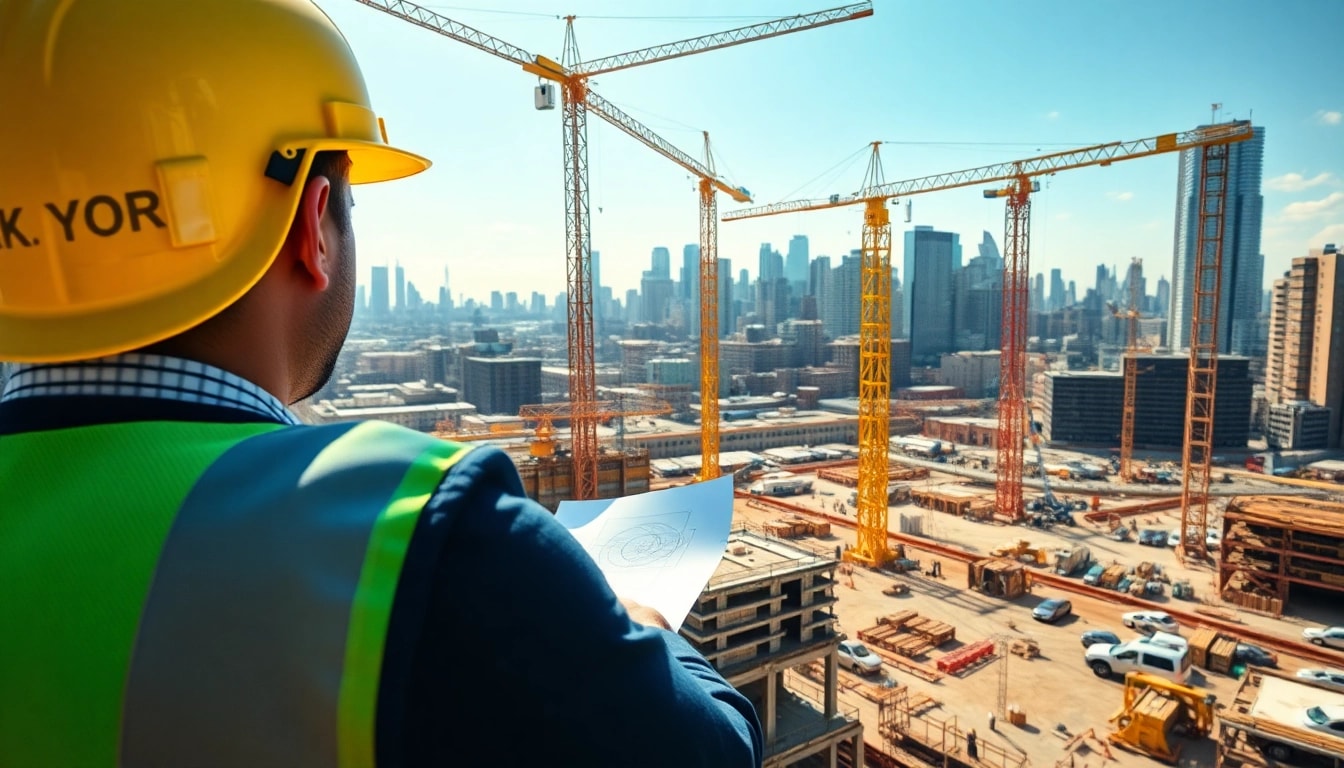
Railroad construction refers to the process of building new rail lines and maintaining existing infrastructure. This complex endeavor involves various stages, including preliminary studies, design, land acquisition, engineering, and construction. It requires collaboration among numerous stakeholders, including government agencies, engineers, construction workers, and logistics companies. Each phase is tailored to ensure that the finished product can handle the current and projected traffic needs effectively.
Key Components of Railroad Construction
The key components of railroad construction include:
- Track Structure: This includes the rails, ties (sleepers), ballast, and subgrade. Each of these elements works together to create a stable and durable track bed.
- Signaling Systems: Advanced signaling technology ensures safe train operations by regulating train movements and preventing collisions.
- Bridges and Tunnels: Essential for navigating geographical obstacles, these structures require careful planning and engineering to ensure safety and longevity.
- Stations and Terminals: Key points of interaction between passengers or freight and the rail system, stations are designed for accessibility and efficiency.
Importance of Railroad Construction in Logistics
Railroads play an essential role in logistics by facilitating the movement of bulk goods and large volumes of freight over long distances. The efficiency of railroad construction directly impacts supply chains, fostering economic growth and sustainability. The reliability offered by rail transport can significantly reduce delays in logistics, enhance service delivery timelines, and improve cost-efficiency compared to road transportation.
Safety Standards in Railroad Construction
With the inherent risks involved in railroad construction, safety standards are of paramount importance. The construction processes are guided by regulations and practices aimed at safeguarding the workers, the environment, and the community.
Essential Safety Practices for Workers
Adopting essential safety practices is critical in ensuring the well-being of construction workers. These practices include:
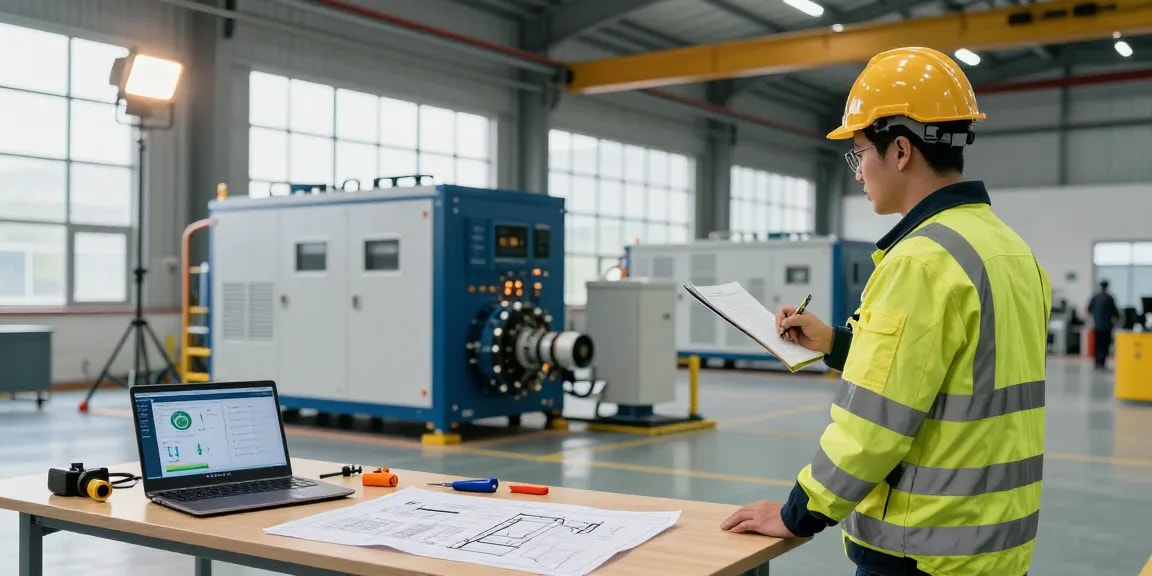
- Personal Protective Equipment (PPE): Workers must wear appropriate gear, including helmets, gloves, and high-visibility vests.
- Regular Safety Meetings: Holding safety briefings helps to reinforce safety protocols and keep everyone informed of any changes or hazards.
- Site Inspections: Conducting routine inspections ensures that work areas are safe and compliant with regulatory standards.
Regulatory Compliance in Railroad Construction
Compliance with regulatory standards is crucial for the success and safety of railroad projects. Various local and federal regulations govern construction activities, ensuring environmental stewardship, safety, and the minimization of risks. Following these regulations not only ensures worker safety but also reduces legal liabilities for companies involved in railroad construction.
Training Programs for Safety Awareness
Implementing comprehensive training programs is essential in fostering a safety-centric culture among workers. These programs should cover various topics, including hazard recognition, emergency response procedures, and proper equipment usage. Continuous training ensures that workers are always informed about the latest safety standards and practices, enabling them to perform their jobs safely and effectively.
Innovations in Railroad Construction Techniques
The railroad construction industry continues to evolve with the introduction of innovative techniques and technologies aimed at improving efficiency, safety, and sustainability. Embracing these innovations allows for more effective project management and execution.
Modern Machinery Used in Railroad Construction
Advancements in machinery have revolutionized railroad construction. Modern equipment, such as automated track-laying machines and ballast regulators, significantly reduces labor costs and time. Additionally, precision machinery minimizes human error, leading to higher quality construction outcomes. Companies increasingly rely on this equipment to expedite processes and enhance safety on job sites.
Sustainable Practices in Railroad Construction
As environmental concerns grow, the railroad construction industry is exploring sustainable practices. These may include using recycled materials for tracks and supports, implementing energy-efficient machinery, and minimizing waste during construction. These practices not only reduce the environmental footprint of construction but also often lead to cost savings in the long run.
Technological Advancements in Track Design
Advancements in technology have also transformed track design. Computer modeling and simulation techniques enable engineers to visualize and test designs before implementation, reducing the risk of costly mistakes. Moreover, the use of materials that enhance durability and reduce maintenance can extend the lifespan of tracks, further optimizing overall project efficiency.
Challenges Faced in Railroad Construction
Despite the advancements and innovations in railroad construction, various challenges can impede progress. Understanding these challenges is crucial for effective project management and execution.
Cost Management in Railroad Construction Projects
Cost management is one of the foremost challenges in railroad construction. Projects often exceed budgets due to unforeseen complications such as geological issues, regulatory delays, or material shortages. Implementing rigorous project budgeting, scheduling, and risk assessment processes can help manage costs effectively. Engaging stakeholders early can also provide insights into potential challenges, allowing for better planning.
Environmental Impacts of Railroad Construction
Railroad construction can have significant environmental impacts, including disruption to wildlife habitats, pollution, and changes to landscapes. Conducting thorough environmental assessments before commencing construction can help identify potential threats and mitigate adverse effects. Moreover, adopting environmentally friendly practices is not only responsible but also increasingly expected by stakeholders and communities.
Addressing Labor Shortages in the Industry
The railroad construction industry faces labor shortages, with many skilled workers nearing retirement and fewer new entrants into the workforce. Addressing this challenge requires concerted efforts from industry stakeholders, such as promoting trade education and enhancing recruitment strategies. Offering competitive salaries, benefits, and training opportunities can help attract and retain skilled labor.
Future Trends in Railroad Construction
The future of railroad construction is set to be shaped by several trends that focus on innovation, sustainability, and efficiency. By understanding these trends, industry professionals can better prepare for the challenges and opportunities ahead.
Automation and Robotics in Railroad Construction
Automation and robotics are quickly becoming integral to railroad construction. Robotic systems can perform repetitive, dangerous tasks with precision, reducing the risk of injury and increasing efficiency. As technologies improve, we can expect an increase in the use of automated machinery in various stages of construction, from surveying to track laying.
Smart Infrastructure Development
Creating smart infrastructure involves integrating technology with traditional construction practices. Sensors embedded in tracks can provide real-time data on their condition, allowing for predictive maintenance and improved safety. This advancement can enhance the operational efficiency of rail systems, reduce costs, and extend the service life of railway assets.
The Role of Big Data in Railroad Construction Planning
Big data is transforming railroad construction planning by enabling data-driven decision-making. By analyzing large datasets, project managers can gain insights into performance metrics, traffic patterns, and environmental impacts, leading to more effective project outcomes. Utilizing big data can improve project forecasting, resource allocation, and risk management practices.
Frequently Asked Questions about Railroad Construction
1. What are the primary stages of railroad construction?
The primary stages include planning and design, land acquisition, engineering, construction, and maintenance. Each stage involves careful coordination among various stakeholders.
2. How does railroad construction impact the environment?
Railroad construction can disrupt ecosystems, release pollutants, and alter landscapes. Environmental assessments and sustainable practices can mitigate these impacts.
3. What safety measures are critical during railroad construction?
Essential safety measures include proper PPE usage, regular safety training, and conducting site inspections to ensure compliance with safety regulations.
4. Are there modern technologies influencing railroad construction?
Yes, modern technologies such as automated machinery, data analytics, and smart infrastructure are significantly improving efficiency and safety in railroad construction.
5. How is the labor shortage affecting the railroad industry?
The labor shortage is impacting project execution and timelines. Efforts to attract new talent and promote trade education are vital to address this issue.