
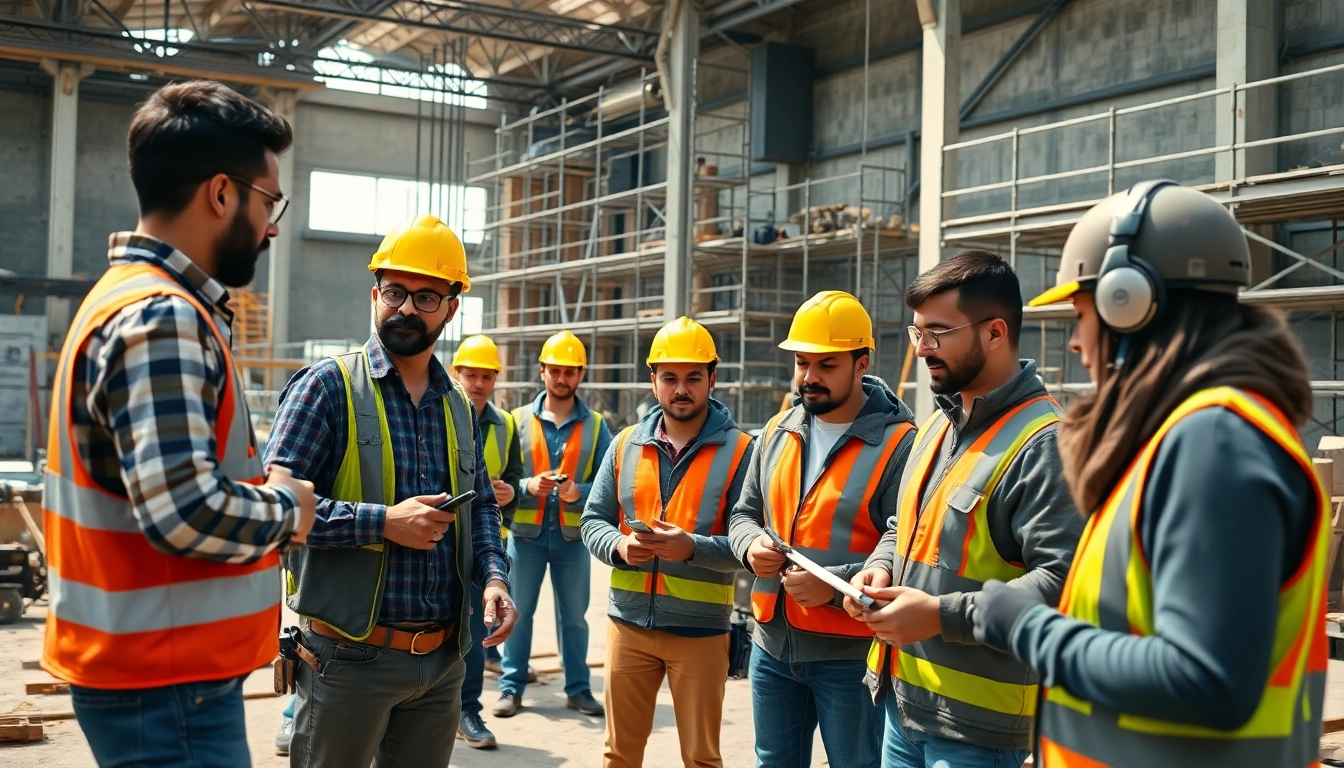
Introduction to Construction Training
The construction industry is dynamic, constantly evolving to meet the demands of modern society. As new technologies and methods emerge, the need for effective construction training programs has become essential. These programs not only facilitate skill development but also ensure that workers are equipped to handle the challenges and safety requirements of the job. In this article, we will explore various aspects of construction training, including its significance, types, best practices, challenges, and future trends.
Understanding Construction Training Programs
Construction training programs are designed to equip workers with the knowledge and skills necessary to perform their jobs safely and efficiently. They encompass a wide range of topics, including technical skills, soft skills, safety protocols, and regulatory compliance. Programs can be tailored to meet the specific needs of various construction roles, enabling workers to specialize in areas such as carpentry, plumbing, electrical work, or project management.
Importance of Safety in Training
Safety is paramount in the construction industry. Construction sites can be hazardous, with numerous risks such as falls, equipment malfunctions, and exposure to harmful substances. Proper training ensures that workers understand these risks and how to mitigate them. By prioritizing safety in training programs, companies can significantly reduce the incidence of workplace accidents, which not only protects employees but also helps avoid costly legal issues and project delays.
Key Skills for Construction Workers
The construction profession requires a diverse skill set, including both technical and soft skills. Key skills include:
- Technical Proficiency: Knowledge of construction techniques and the ability to operate machinery.
- Problem-Solving: Ability to assess challenges and devise effective solutions on-the-spot.
- Communication: Clear communication with team members and stakeholders to ensure project goals are met.
- Time Management: Effectively managing time to meet project deadlines and maintaining productivity.
- Teamwork: Collaborating effectively with diverse teams in high-pressure environments.
Types of Construction Training
On-Site Training Approaches
On-site training is a popular method that allows workers to learn in a real-world environment. This hands-on approach not only aids in skill acquisition but also helps learners become familiar with the equipment and safety measures unique to their job site. Examples of on-site training approaches include:
- Mentorship Programs: Experienced workers guide newcomers, sharing expertise and best practices.
- Job Shadowing: Workers observe skilled professionals to learn technical and procedural details.
- Workshops: Targeted workshops addressing specific skills or safety topics relevant to the work environment.
Virtual Training Solutions
As technology advances, virtual training has becoming increasingly accessible and effective. Utilizing online platforms, virtual reality, and simulation software, companies can offer comprehensive training remotely. This flexibility allows workers to learn at their own pace and revisit complex concepts as needed. Benefits of virtual training include:
- Cost Efficiency: Reduces travel and accommodation costs for training sessions.
- Accessibility: Workers can access training materials from anywhere, increasing participation rates.
- Standardization: Ensures all employees receive the same quality of training regardless of location.
Certification Programs Overview
Certification programs serve as formal recognition of a worker’s expertise in a specific area. These programs usually require passing an assessment and may include a combination of hands-on and theoretical components. Certifications can enhance career prospects and demonstrate a commitment to professional development. Common certifications include:
- OSHA Certification: Focuses on occupational safety and health regulations.
- First Aid and CPR Certification: Essential for workers to respond to medical emergencies.
- Specific Trade Certifications: Recognizes advanced skills in trades like plumbing, electrical work, and carpentry.
Best Practices for Conducting Construction Training
Creating an Engaging Learning Environment
An engaging learning environment is crucial for effective training. Techniques to enhance engagement include interactive activities, group discussions, and gamification elements. When workers feel involved in their learning process, they are more likely to retain information and apply it on the job.
Utilizing Technology in Training
Incorporating technology can greatly enhance the effectiveness of construction training. Tools such as mobile learning apps, instructional videos, and virtual reality enable immersive training experiences. Furthermore, technology allows for tracking progress and providing immediate feedback, which can be invaluable for skill development.
Measuring Training Effectiveness
To ensure training programs are effective, it is essential to measure their impact. This can be achieved using various metrics, such as:
- Assessment Scores: Pre-and post-training assessments can gauge the increase in knowledge and skills.
- Performance Metrics: Tracking job performance can show if skills learned are applied successfully on the job site.
- Feedback Surveys: Collecting feedback from participants can offer insights into areas for improvement.
Challenges in Construction Training
Addressing Skill Gaps in Workers
A significant challenge in construction training is addressing the skill gaps prevalent in the workforce. These gaps may arise from rapid technological changes or varying levels of experience among workers. Identifying these gaps early and providing targeted training can help ensure a more competent workforce.
Responding to Industry Changes
The construction industry is subject to frequent changes due to innovation and regulations. Training programs must be agile and capable of adapting to these changes. Continuous curriculum reviews and incorporating feedback from industry experts can help keep training relevant.
Managing Diverse Learning Styles
Workers have various learning styles, such as visual, auditory, or kinesthetic. Effective training programs must cater to these diverse styles to enhance understanding and retention. This can be achieved through a mix of methodologies, including hands-on practice, visual presentations, and interactive discussions.
Future Trends in Construction Training
Adopting Green Construction Practices
As sustainability becomes a priority, training programs are increasingly focusing on green construction practices. Providing education on eco-friendly materials, energy efficiency, and sustainable design principles ensures that new generations of workers are prepared to meet environmental standards and innovate towards a more sustainable future.
Integration of Advanced Technologies
Advanced technologies, such as Building Information Modeling (BIM) and automation, are transforming the construction landscape. Training programs must integrate these technologies, enabling workers to harness their full potential. This investment in tech-savvy training will cultivate a proficient workforce capable of handling sophisticated tools and processes.
Preparing for Emerging Industry Roles
With the advent of new technologies and methodologies, the construction industry is evolving, creating new roles that require specialized training. Programs need to be proactive in identifying these emerging roles and developing focused curricula to prepare workers for success in these positions. This agility in training will ensure that the workforce remains competitive and skilled.
Frequently Asked Questions
What is construction training?
Construction training refers to educational programs aimed at equipping workers with essential skills and knowledge to perform their jobs safely and effectively in the construction industry.
Why is safety training important in construction?
Safety training minimizes workplace accidents and injuries. It educates workers about potential hazards, safe practices, and regulatory compliance, fostering a safer working environment.
What types of training are available in construction?
Construction training can be categorized into on-site training, virtual training, and certification programs, each catering to different learning needs and job roles.
How can training effectiveness be measured?
Training effectiveness can be determined through assessment scores, feedback surveys, and monitoring performance metrics in real work scenarios post-training.
What are future trends in construction training?
Future trends include the integration of advanced technologies, a focus on sustainable practices, and the preparation for emerging roles within the construction industry.