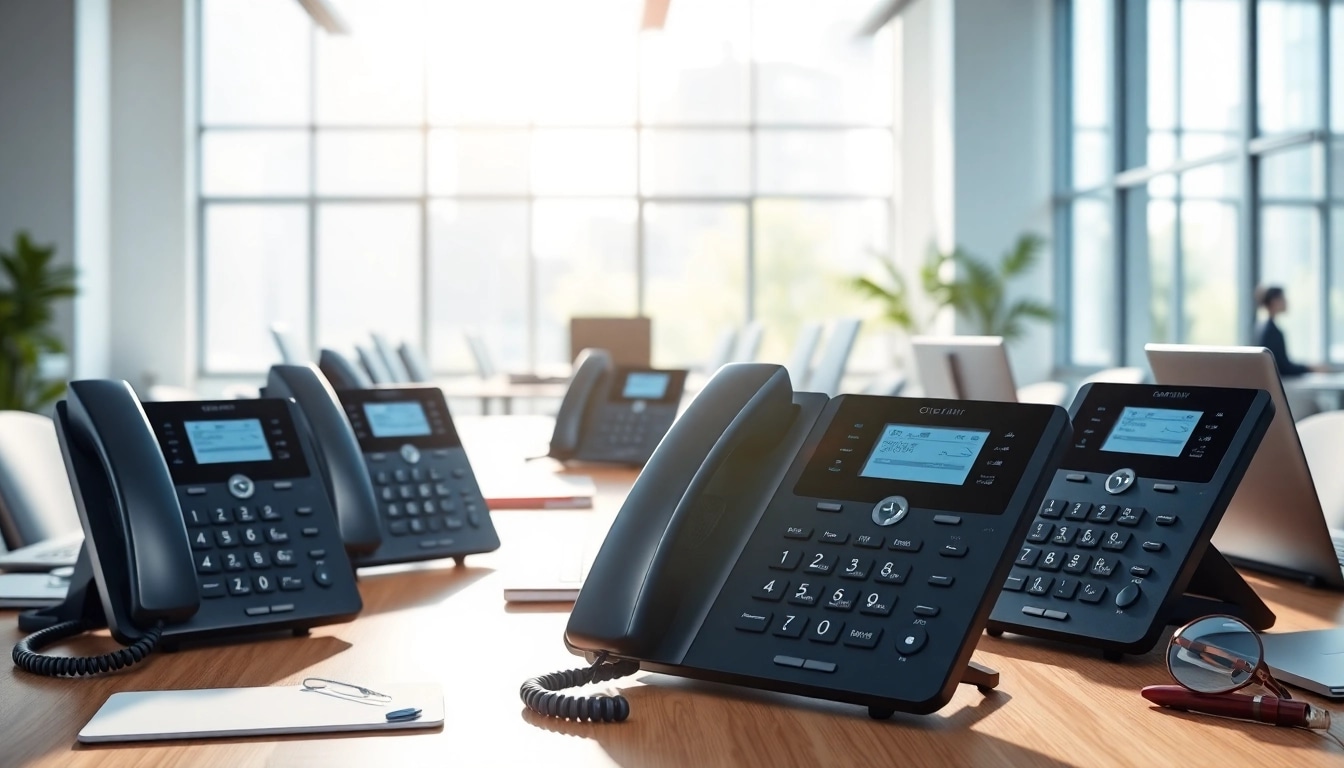
Understanding Office Phone Systems
Office phone systems are vital communication tools for businesses, enabling seamless coordination and effective customer interaction. These systems can drastically affect workflow efficiency and client satisfaction. As communications technology evolves, there is a constant need for organizations to upgrade their office phone systems to keep up with modern demands.
What are Office Phone Systems?
Office phone systems refer to integrated communication solutions designed to manage voice calls within a business environment. Traditionally, these systems included physical landline telephones, but today's advanced setups often rely on Voice over Internet Protocol (VoIP) applications, offering a wide array of functionalities beyond simple voice calls. Modern office phone systems typically incorporate calling, texting, video conferencing, and even customer relationship management tools, allowing users to centralize communications.
Key Features of Modern Phone Systems
Modern office phone systems come laden with numerous features. Some key features include:
- VoIP Technology: Enables calls over the internet, reducing costs and improving call quality.
- Multi-Line Capability: Allows multiple calls simultaneously, perfect for busy offices.
- Call Forwarding and Routing: Ensures no calls are missed by directing them to available staff.
- Integrated Messaging: Facilitates seamless communication via text and voicemail.
- Video Conferencing: Enhances remote collaboration among team members.
Benefits of Upgrading Your Office Phone Systems
Investing in an upgraded office phone system can yield substantial benefits, including:
- Cost Savings: VoIP systems typically lower call costs, especially for long-distance communication.
- Flexibility: Many modern systems offer features that allow employees to work from anywhere, promoting a flexible work environment.
- Enhanced Collaboration: With integrated tools, team collaboration is streamlined, improving overall productivity.
- Scalability: As businesses grow, modern systems can easily adapt to increased demand without substantial additional investment.
Types of Office Phone Systems
Understanding the various types of office phone systems is crucial in selecting the one that best fits your business's needs. The three main types are as follows:
VoIP Solutions
VoIP (Voice over Internet Protocol) systems leverage internet connectivity to transmit voice data, resulting in high-quality calls at significantly reduced costs. Some advantages of VoIP include:
- Cost Efficiency: Lower installation and maintenance costs compared to traditional systems.
- Portability: Ability to make and receive calls from anywhere with an internet connection.
- Advanced Features: Offers voicemail-to-email, call analytics, and video conferencing capabilities as standard.
Traditional Landline Systems
Traditional landline systems rely on physical wires for communication. While they are gradually being replaced by VoIP systems, some businesses still prefer them for their reliability, especially in areas with poor internet service. Key characteristics include:
- Reliability: Less susceptible to outages caused by internet issues.
- Familiarity: Many users are accustomed to using landline systems, making them a comfortable choice.
- Limited Features: Typically offers basic calling functionalities without the advanced features found in VoIP.
Hybrid Systems: A Combination Approach
Hybrid systems merge traditional PBX telephone systems with VoIP solutions. This approach allows businesses to maintain existing landline infrastructure while gradually incorporating VoIP advantages. Benefits include:
- Flexibility: Companies can transition to digital platforms at their pace.
- Maximized Infrastructure: Businesses can leverage their current phone equipment while integrating new technologies.
Choosing the Best Office Phone Systems
Selecting the right office phone system depends on several factors, including business needs, budget, and growth prospects. Here are key considerations:
Assessing Your Business Needs
Understanding your specific communication requirements is critical. Questions to consider include:
- How many employees require phone access?
- Do you need features like video conferencing, messaging, or call recording?
- Is remote work a significant component of your business operations?
Budget Considerations
Budget constraints significantly influence the type of phone system you can adopt. VoIP systems generally offer more affordable pricing models compared to traditional landline systems. When budgeting, consider both initial investments and ongoing fees, which could include:
- Monthly service fees
- Equipment purchase or rental costs
- Maintenance and upgrade expenses
Scalability and Future Growth
As your business evolves, your phone system should be capable of scaling to accommodate growth. Opt for systems that allow easy addition of lines and advanced features as needed. For instance, cloud-based VoIP solutions often provide on-demand scalability, enabling businesses to add or remove lines quickly based on their current requirements.
Implementing Office Phone Systems
Successfully implementing a new office phone system involves strategic planning and execution. Here are essential steps to ensure a smooth transition:
Steps for Successful Implementation
- Perform an Initial Assessment: Analyze your current communication tools and determine what new features will benefit your business.
- Choose the Right Vendor: Research various vendors to find a solution that aligns well with your needs.
- Plan the Installation: Set a timeline for installation and arrange for compatibility testing to ensure all components work together.
- Data Migration: Transfer existing data and contacts to the new system to avoid disruptions.
- Launch and Monitor: Go live with the new system and closely monitor its performance during the initial phase.
Training Your Staff
A successful transition relies heavily on how well your staff is trained to use the new office phone system. Provide thorough training that covers:
- How to utilize key features
- Best practices for maintaining effective communication
- Technical support resources
Common Challenges and Solutions
During implementation, businesses may face several challenges, including:
- Resistance to Change: Employees may resist adopting new technology. Counter this by emphasizing the benefits and providing extensive training.
- Technical Issues: IT support should be on standby during the initial phase to troubleshoot any problems promptly.
- Integration Problems: Ensure that your new system works well with existing software and hardware through compatibility testing.
Evaluating Performance of Office Phone Systems
Once your office phone system is up and running, it’s essential to evaluate its performance continually. Key metrics include:
Key Metrics to Monitor
Monitoring specific performance metrics allows businesses to assess their phone system's effectiveness. Consider tracking:
- Call Quality: Regularly assess call clarity and connection stability.
- Uptime: Ensure your system consistently functions without significant downtime.
- Feature Usage: Analyze how frequently employees utilize available features to identify training needs.
Customer Satisfaction and Feedback
Gathering feedback from clients regarding their communication experience can provide insights into the effectiveness of your phone system. Consider tools such as surveys or direct feedback channels to understand clients' perceptions better.
Continual Improvement Strategies
Establishing a culture of improvement is vital for maintaining an efficient office phone system. This can involve:
- Regularly updating software and features
- Conducting periodic employee training refreshers
- Soliciting and integrating user feedback to refine communication processes
FAQs about Office Phone Systems
1. What types of phone systems are available for offices?
Office phone systems can be divided into VoIP systems, traditional landlines, and hybrid systems that combine both. Each type offers different features and benefits suitable for varying business needs.
2. How do VoIP systems reduce costs?
VoIP systems lower costs by using internet connections for calls rather than traditional phone lines. This significantly reduces long-distance charges and overall maintenance costs.
3. Can I keep my existing phone number with a new system?
Most VoIP providers allow you to port your existing phone number to the new system. This ensures continuity for your business communications without hassle.
4. How scalable are modern office phone systems?
Modern office phone systems, particularly cloud-based VoIP solutions, easily scale to meet the changing needs of a growing business, allowing for quick addition or removal of lines and features.
5. What should I prioritize when choosing a phone system?
When choosing a phone system, prioritize your specific business needs, budget constraints, and the scalability of the solution to ensure alignment with future growth objectives.