Introduction to Fly Fishing Vests
Fly fishing is a delight for many outdoor enthusiasts, combining the serenity of nature with the thrill of catching fish. One essential component that enhances this experience is the fly fishing vest. This article explores the wonders of fly fishing vests, detailing their characteristics, types, features, and how they can improve your fishing adventures.
What is a Fly Fishing Vest?
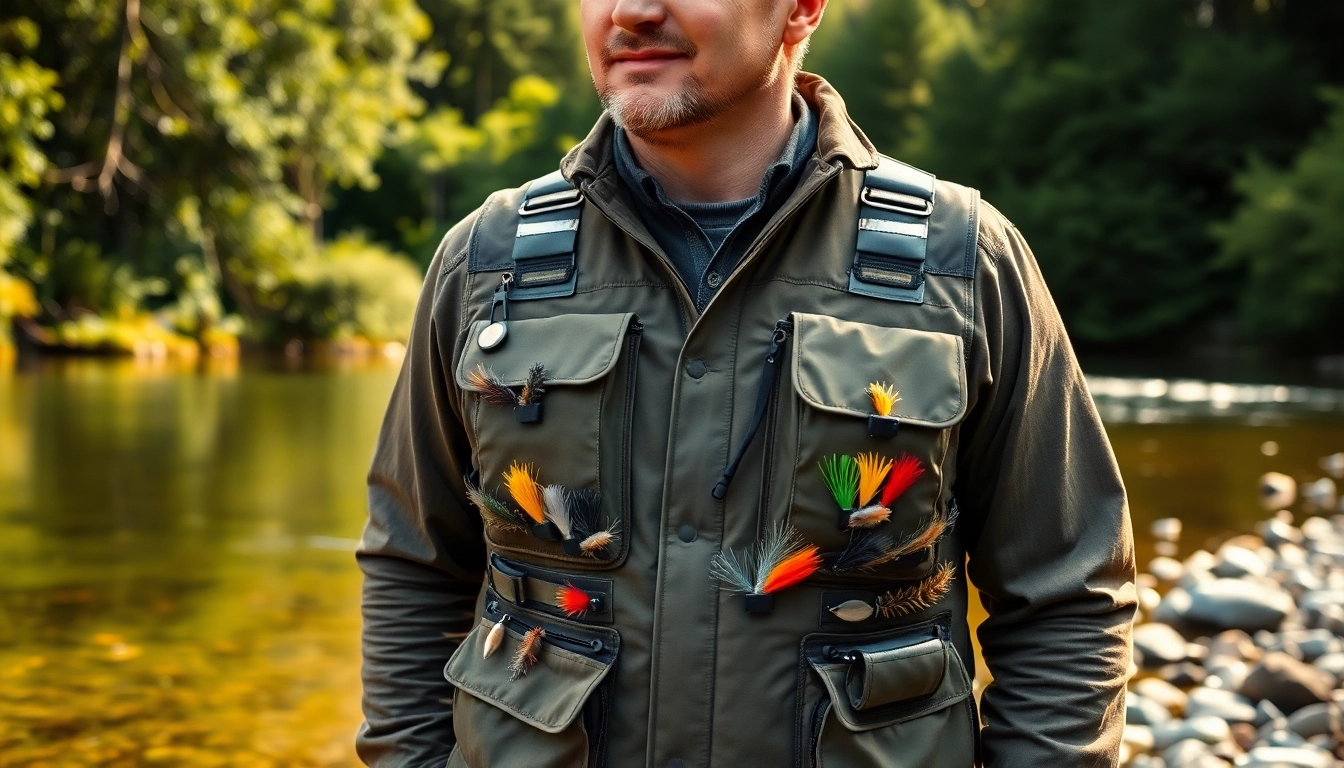
A fly fishing vest is specially designed apparel worn by anglers to carry fishing gear and tools conveniently. Constructed with a multitude of pockets, zippers, and loops, these vests eliminate the need for cumbersome tackle boxes. Flexibility and ease of access characterize these vests, allowing fishermen to grab essential items quickly while keeping their hands free to manage their fishing rods.
Benefits of Using a Fly Fishing Vest
The advantages of using a fly fishing vest are numerous:
- Convenience: Fly fishing vests provide ample storage, allowing anglers to organize everything from fly boxes to tippet spools.
- Comfort: They are designed for all-day wear, often constructed from lightweight, breathable materials that allow for maximum movement and comfort.
- Accessibility: With various pockets and attachment points, essential tools are kept within easy reach, helping to improve the fishing experience.
- Style: Fly fishing vests offer a classy look that blends well with outdoor activities.
Key Features to Look For
When choosing a fly fishing vest, several key features should be considered:
- Pockets: The number and layout of pockets can significantly affect how organized you can be.
- Material: Look for durable, water-resistant materials that will withstand the elements.
- Adjustability: Vests should offer various fitting adjustments to accommodate different body types.
- Weight: A lightweight vest promotes comfort, especially during long hours on the water.
Types of Fly Fishing Vests
Traditional vs. Modern Designs
Traditional fly fishing vests are often bulky, featuring a variety of pockets and compartments. They prioritize function but can sometimes sacrifice comfort and style. Modern designs focus on lightweight materials, streamlines, and increased functionality, often incorporating innovative adjustments like quick-drying fabrics and ergonomic cuts.
Hydration Packs and Utility Vests
Some anglers may opt for hydration packs that are integrated into utility vests. These carry water alongside fishing gear, promoting hydration during long days on the water. This type of vest typically has specialized compartments for both hydration systems and fishing necessities.
Comparing Prices and Features
The price of a fly fishing vest can vary significantly depending on the functionalities and the brand. Basic models can start at a lower price point but may lack durability and features, while higher-end options often offer added benefits like insulated pockets or built-in tools, making them worth the investment.
Choosing the Right Fly Fishing Vest
Size and Fit Considerations
When selecting a fly fishing vest, size, and fit are of utmost importance. Ensure the vest is adjustable and fits well to provide a full range of motion. A poorly fitted vest can obstruct movement, reducing comfort during fishing.
Material Durability and Weather Resistance
The material of the vest plays a critical role in its performance. Lightweight, breathable materials are great for warm weather, while tougher, waterproof options are better suited for wet conditions. Choose vests made from high-performance fabrics that can handle varying weather conditions.
Popular Brands and Their Offerings
Though this article deliberately avoids specific brands, many manufacturers offer a range of vests suited for all levels of fly fishing. Research and compare different offerings to find the best fit for your unique needs and budget.
Customizing Your Fly Fishing Vest
Adding Patches and Accessories
Your fly fishing vest can become a personal statement through customization. Adding patches, buttons, or meaningful accessories can give your vest a unique touch that reflects your personality and experiences in the outdoors.
Organizing Your Gear Efficiently
Maximize the utility of your vest by organizing gear effectively. Use labeled pockets for specific tools and flies, ensuring that everything remains in its designated spot. This strategy minimizes downtime while fishing, allowing you to stay focused on your catch.
Maintenance Tips for Longevity
To prolong the life of your fly fishing vest, regular maintenance is key. Rinse after use to remove dirt and salt that could damage fabrics. Store in a cool, dry place and follow any washing instructions provided by the manufacturer to maintain material integrity.
FAQs on Fly Fishing Vests
What should I carry in my fly fishing vest?
Common items include flies, tippet material, a fly box, tools (like forceps), a small first-aid kit, and snacks. Keeping essentials handy improves your fishing experience.
How do I choose the right size for a fly fishing vest?
Sizing depends on your chest measurement. Choose a vest with adjustable straps to ensure a comfortable fit that accommodates layers if necessary.
Are there fly fishing vests for women?
Yes, many brands offer fly fishing vests designed specifically for women, providing better fits and style options that cater to female anglers.
How can I clean my fly fishing vest?
Most vests can be hand-washed with mild soap and cold water. Always check the manufacturer’s instructions for proper cleaning guidelines to avoid damage.
Do fly fishing vests come in waterproof options?
Yes, many fly fishing vests are constructed from water-resistant materials, keeping your gear dry in wet conditions. Look for specific features enhancing waterproof capabilities.