
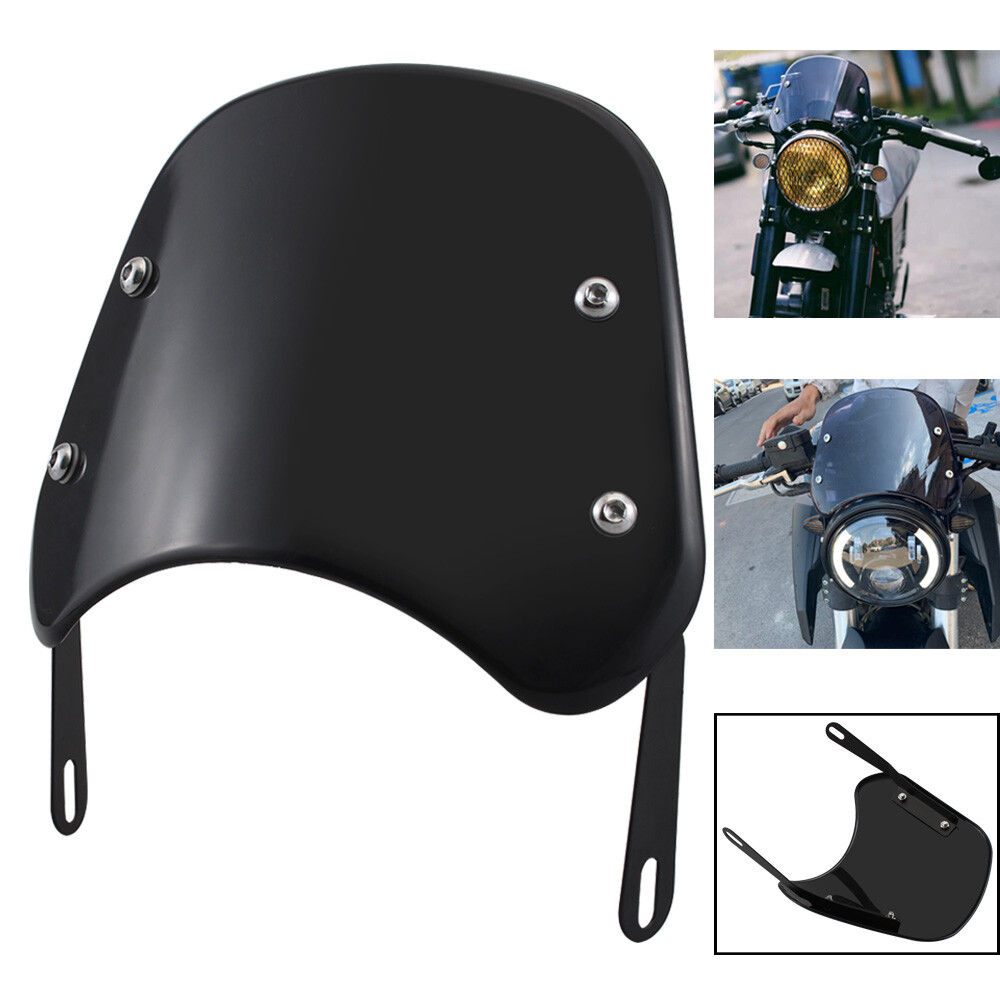
Riding long distances can be both exhilarating and exhausting, and one of the key factors affecting comfort is the Motorcycle Windshield Angle. The correct angle can dramatically reduce wind fatigue, prevent rain or debris from hitting the rider, and improve overall stability. Understanding how to adjust your windshield properly ensures a safer, more enjoyable ride, especially on extended trips where comfort is critical.
Understanding the Purpose of Motorcycle Windshield Angle
The Motorcycle Windshield Angle is not just about aesthetics. It plays a crucial role in aerodynamics, wind deflection, and rider comfort. By directing airflow over or around the rider, the right windshield angle minimizes wind pressure on the chest and helmet, reducing fatigue on long journeys. Additionally, an optimal angle can help deflect rain and road debris, keeping the rider dry and protected.
How Windshield Angle Affects Riding Comfort
Rider comfort is directly influenced by how wind interacts with the motorcycle and its rider. A poorly adjusted Motorcycle Windshield Angle can create turbulence, buffeting, and neck strain, making even short trips tiring. On the other hand, a properly angled windshield smooths airflow, reducing wind noise and pressure on the rider. For long-distance journeys, this can mean the difference between an exhausting ride and a comfortable, enjoyable experience.
Factors to Consider When Adjusting Your Windshield
Several key factors should guide the adjustment of your Motorcycle Windshield Angle. Rider height is critical, as taller riders may need a higher or more angled windshield to prevent wind from hitting the helmet. Motorcycle type also matters; touring bikes often benefit from taller, adjustable windshields, while sport bikes require lower angles to maintain aerodynamic efficiency. Finally, the riding speed should be considered, as faster speeds can magnify wind pressure effects.
Step-by-Step Guide to Adjusting Your Windshield
- Start with the Manual: Most windshields come with manufacturer guidelines. Reviewing these ensures you don’t exceed recommended adjustments.
- Set Initial Position: Begin with a middle-range angle to test baseline comfort.
- Test Ride: Take a short ride at your typical cruising speed. Pay attention to wind pressure on your chest and helmet, as well as any turbulence.
- Incremental Adjustments: Slightly tilt the windshield up or down to find the most comfortable airflow. Small changes can significantly impact wind deflection.
- Lock in Place: Once the ideal Motorcycle Windshield Angle is found, securely fasten all adjustment points to prevent movement during rides.
Benefits of a Properly Angled Windshield
A correctly adjusted Motorcycle Windshield Angle offers multiple advantages. It reduces wind fatigue, allowing riders to travel longer distances without discomfort. Noise levels drop, which can lessen helmet strain and improve focus on the road. Rain and debris are redirected away from the rider, increasing safety and preventing unnecessary distractions. Additionally, a well-positioned windshield can enhance overall motorcycle stability by reducing turbulent airflow around the bike.
Common Mistakes to Avoid
Many riders make mistakes when adjusting their Motorcycle Windshield Angle. Setting the windshield too upright can increase wind pressure on the rider’s chest, causing fatigue. Tilting it too low may direct wind at the helmet, leading to buffeting and noise. Another common error is neglecting personal height differences; a windshield suitable for one rider may be uncomfortable for another. Always test and adjust based on your own riding position and comfort level.
Adjustable vs Fixed Windshields
Motorcycles may feature adjustable or fixed windshields. Adjustable options allow riders to fine-tune the Motorcycle Windshield Angle, ideal for long trips and varying conditions. Fixed windshields, while sturdy, require careful initial positioning to achieve the best aerodynamic and comfort results. Touring and adventure riders often prefer adjustable windshields due to their flexibility in handling different terrains and speeds.
Long-Distance Riding Tips for Windshield Adjustment
When preparing for long journeys, check the Motorcycle Windshield Angle as part of your pre-ride routine. Consider weather conditions: rainy or windy days may require slight adjustments for maximum protection. Regularly inspect mounting points to ensure the windshield remains secure over long distances. Combining the correct windshield angle with other ergonomic adjustments, like handlebar height and seat positioning, can drastically improve long-term comfort.
Conclusion
Mastering the right Motorcycle Windshield Angle is essential for riders who enjoy long-distance journeys. It not only enhances comfort by reducing wind fatigue and turbulence but also improves safety by deflecting debris and rain. Taking the time to properly adjust your windshield, testing it under real riding conditions, and making small incremental changes can transform your riding experience. For every touring enthusiast, understanding and optimizing windshield angle is a small adjustment that delivers major benefits.