When asking “what is CVI?”, many people are surprised to learn that it refers to Chronic Venous Insufficiency, a common vein condition that affects blood flow in the legs. CVI develops when veins struggle to return blood to the heart efficiently, causing blood to pool in the lower extremities. Over time, this circulation problem can lead to discomfort, swelling, skin changes, and even serious complications if left untreated.
Millions of adults experience symptoms linked to vein disease, yet many ignore the early warning signs because they assume leg pain or swelling is a normal part of aging. At Advanced Vascular, patients can learn how CVI develops and why recognizing symptoms early is important for preventing its progression.
Vascular conditions affecting blood circulation can become more common with age, prolonged sitting or standing, and other lifestyle-related factors that place additional pressure on the veins.
How Chronic Venous Insufficiency Happens
Healthy veins contain tiny one-way valves that keep blood moving upward toward the heart. In people with Chronic Venous Insufficiency, these valves become weakened or damaged. Instead of flowing properly, blood leaks backward and collects in the leg veins.
This increased pressure inside the veins causes them to enlarge and stretch. As circulation worsens, symptoms become more noticeable and uncomfortable. While CVI often develops gradually, the condition can worsen significantly without medical attention.
Several factors increase the risk of developing CVI, including prolonged sitting or standing, obesity, pregnancy, aging, and a family history of vein disease. Previous blood clots or vein injuries may also contribute to poor vein function.
The Society for Vascular Surgery explains that early diagnosis and treatment are important to preventing long-term vein damage and improving quality of life.
Common Symptoms People Should Not Ignore
One reason many people continue asking “what is CVI?” is because the symptoms are frequently mistaken for ordinary fatigue or circulation issues. However, Chronic Venous Insufficiency typically produces a recognizable pattern of symptoms that gradually intensifies over time.
Leg swelling is among the most common warning signs. Many individuals notice their ankles becoming swollen after long periods of standing or sitting. Others experience aching, heaviness, or throbbing sensations in the legs that worsen throughout the day.
Additional symptoms may include visible varicose veins, skin discoloration, itching, cramping, or a burning feeling in the lower legs. In more advanced stages, the skin may become thickened or develop painful ulcers near the ankles.
Ignoring these symptoms can allow vein damage to progress, making treatment more difficult later on.
Why Early Diagnosis Matters
Understanding what is CVI is important because untreated vein disease can eventually affect mobility, comfort, and overall health. Early diagnosis gives patients access to treatments that can slow progression and reduce symptoms before complications develop.
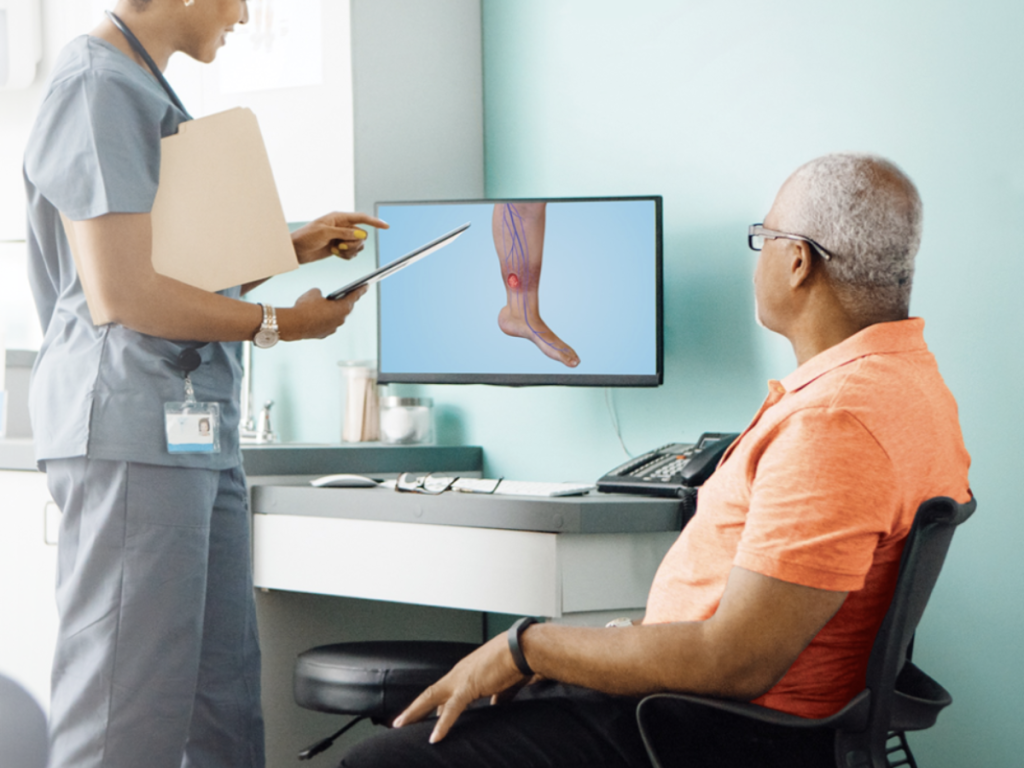
A vascular specialist typically evaluates CVI using a physical examination and ultrasound imaging. These tests help identify damaged veins and determine how severely blood flow is affected.
Many patients delay evaluation because they believe varicose veins are only cosmetic. In reality, visible veins often indicate underlying circulation problems that deserve medical attention.
Early treatment can improve circulation, reduce swelling, minimize pain, and help patients return to daily activities more comfortably.
Modern Treatment Options for CVI
Advancements in vascular care have made treatment for Chronic Venous Insufficiency more effective and less invasive than in the past. Many modern procedures are performed on an outpatient basis with minimal downtime.
Lifestyle modifications are often recommended alongside medical treatment. Maintaining a healthy weight, staying physically active, elevating the legs, and wearing compression stockings may help improve circulation and relieve symptoms.
For patients with more advanced vein disease, minimally invasive procedures such as radio frequency ablation, sclerotherapy, or vein sealing treatments may be recommended. These treatments target damaged veins while preserving healthy circulation.
Specialized vascular clinics such as Advanced Vascular provide diagnostic evaluations and treatment options designed to address vein disease at various stages.
Living Better With Healthy Veins
For individuals wondering “what is CVI?”, the answer involves more than simple leg discomfort. Chronic Venous Insufficiency is a progressive vein condition that can affect circulation, mobility, and long-term vascular health.
Recognizing the symptoms early and seeking professional evaluation can help prevent complications and improve everyday comfort. Through advanced vascular care, minimally invasive treatments, and personalized patient support, Advanced Vascular helps many patients experience significant relief and improved quality of life.
Learning more about vein health and understanding the signs of circulation problems empowers individuals to take action before symptoms become severe.
Advanced Vascular
4501 Osuna Road NE, Albuquerque, New Mexico, 87109, United States
Phone: (505) 448-8346
Website: https://advancedvascularnm.com/