
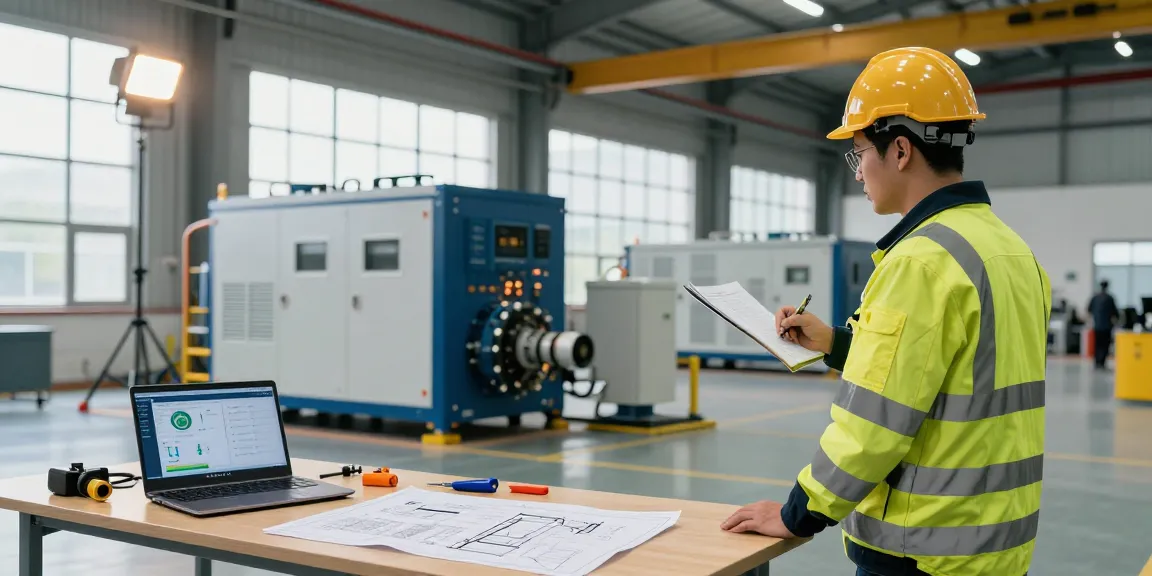
Understanding Power Generation Basics
Power generation encompasses the processes and technologies used to produce electrical energy for residential, commercial, and industrial applications. As the demand for energy continues to rise globally, understanding the nuances of Power Generation becomes imperative for stakeholders across various sectors. With advancements in technology and growing emphasis on sustainability, knowing the different types of power generation methods can significantly influence efficiency and environmental impact.
What is Power Generation?
Power generation refers to the conversion of different forms of energy into electricity. This can be achieved through a variety of methods including thermal power plants, renewable resources like wind and solar, and traditional fossil fuel applications. The technology used can dramatically affect the grid’s reliability, energy costs, and the carbon footprint associated with production.
The Importance of Efficient Energy Solutions
In a world increasingly focused on sustainability, efficient energy solutions are vital. They can reduce operational costs and lower environmental pollution. For example, gas-powered cogeneration systems (CHP units) maximize fuel use by generating electricity and using the waste heat for heating applications. This dual efficiency not only conserves energy but also contributes to a lower carbon footprint.
Types of Power Generation Technologies
- Thermal Power: Traditional method using coal, natural gas, or oil to produce electricity, generally through steam turbines.
- Renewable Energy: Sources such as wind, solar, and hydroelectric power that offer sustainable alternatives to fossil fuels.
- Nuclear Power: Generates electricity through nuclear reactions, providing a low-carbon source of energy.
- Gas CHP Units: Efficiently produce electricity while utilizing waste heat, enhancing overall energy utilization.
Key Components of Power Generation Systems
Exploring Gas CHP Units
Gas Combined Heat and Power (CHP) units represent a significant advancement in energy efficiency. By simultaneously generating electricity and useful heat from the same energy source, these systems can achieve efficiencies exceeding 80%. This capability is crucial for businesses looking to minimize energy costs while adhering to stringent emission regulations.
Portable Air Compressors in Power Applications
Portable air compressors play a vital role in various power applications, especially in the rental industry. They are essential for pneumatic tools and equipment across construction and industrial sites, offering flexibility and efficiency in energy use. With discharge pressures ranging from 7 to 35 bar and flow rates of 37 to 1600 cfm, these compressors can be tailored to meet specific operational needs.
Hybrid Lighting Towers: Features and Benefits
Hybrid lighting towers combine multiple energy sources, such as diesel, solar, and battery power, to operate more efficiently and sustainably. Often equipped with LED technology, these towers provide bright illumination for mining and construction activities while significantly reducing fuel consumption. The fusion of renewable energy sources in hybrid systems enhances reliability and reduces operational costs.
Best Practices for Implementing Power Generation
Choosing the Right Power Generation System
Choosing the appropriate power generation system requires careful analysis of specific operational needs, budget constraints, and environmental impacts. Factors such as location, energy demand, and fuel availability must guide the decision-making process. Furthermore, involving stakeholders in this evaluation can help in selecting the most effective technology.
Installation and Maintenance Guidelines
Proper installation and routine maintenance are critical for ensuring the longevity and efficiency of power generation systems. Regular inspections, adherence to manufacturer guidelines, and timely repairs can prevent costly breakdowns and enhance overall performance. Emphasizing staff training on equipment usage and safety protocols ensures that systems operate smoothly and safely.
Safety Protocols in Energy Production
Safety is paramount in energy production, particularly when dealing with gas and heavy machinery. Implementing robust safety protocols, such as risk assessments, regular training sessions for employees, and emergency response drills, can mitigate hazards. Compliance with local and international safety standards must be strictly adhered to, ensuring a safe working environment.
Challenges in Power Generation
Common Misconceptions About Power Generation
Several misconceptions about power generation can hinder the adoption of newer technologies. One prevalent myth is that renewable energy is insufficient to meet demand. However, advancements in energy storage systems and hybrid setups have demonstrated that it is possible to harness renewable sources efficiently to provide stable energy supplies.
Regulatory Challenges and Compliance
The regulatory landscape surrounding power generation can be complex and varies by region. Navigating compliance for emissions, safety, and operational standards requires diligence and often necessitates legal expertise. Staying informed about changing regulations is crucial for companies to avoid penalties and implement sustainable practices.
Future Trends Impacting Power Generation
The future of power generation is poised for transformation due to technological advancements, societal shifts, and government policies aimed at reducing carbon emissions. Innovations such as smart grids, increasing adoption of electric vehicles, and breakthroughs in energy storage technology will shape the energy landscape, emphasizing the integration of renewable sources into existing infrastructures.
Case Studies and Real-World Applications
Successful Implementations of Portable Power Solutions
Numerous industries have benefited from the implementation of portable power solutions. For instance, construction firms deploying portable air compressors for pneumatic tools have observed significant improvements in productivity and efficiency. These systems enable flexibility in operations and can be easily relocated based on project requirements.
Impact of Hybrid Systems on Power Generation Efficiency
Hybrid systems have revolutionized how energy is generated and consumed. An example is a mining company that incorporated a hybrid lighting tower, reducing fuel usage by 30% while maintaining output levels. This transformation not only cut costs but also supported the company’s sustainability goals.
Insights from Energy Industry Leaders
Industry leaders emphasize the importance of adapting to the rapidly changing energy landscape. Innovations in artificial intelligence for predictive maintenance and the integration of Internet of Things (IoT) technologies into power management systems are becoming essential for enhancing operational efficiency and reliability.
What are the benefits of hybrid power systems?
Hybrid power systems provide numerous benefits, including reduced fuel consumption, lower emissions, and cost savings from optimized resource use. They enhance operational flexibility and reliability, making them suitable for diverse applications ranging from construction to emergency backup.
How do gas CHP units improve energy efficiency?
Gas CHP units improve energy efficiency by maximizing the utilization of fuel, as they generate both electricity and usable heat. This combined approach reduces waste and enhances overall system efficiency, often surpassing traditional separate heat and power generation methods.
What regulations affect power generation technology?
Power generation technology is influenced by regulations pertaining to emissions, safety standards, and grid integration. Compliance with these regulations is crucial for companies to operate legally and sustainably while minimizing their environmental impact.
What is the future of power generation in 2026?
By 2026, power generation is expected to increasingly rely on renewable sources, with significant advancements in energy storage, efficiency technologies, and digitalization of power systems. The transition to green energy will be propelled by regulatory support and technological innovations that enhance accessibility and sustainability.
How can businesses find reliable energy partners?
Businesses can find reliable energy partners by evaluating potential collaborators based on their track record, technological capabilities, and alignment with sustainability goals. For more information, gas generator offers valuable insights. Engaging in industry events and networking opportunities can also lead to valuable partnerships, fostering collaborative advancements in power generation solutions.