Understanding Colonial Home New Build Construction
Colonial home new build construction represents a timeless style that resonates with many homeowners seeking a blend of historical charm and modern functionality. This architectural style, which dates back to the early years of American settlement, features practicality and elegance through its symmetrical designs and classic proportions. In today’s market, embarking on such a project requires an understanding of its significance, distinctive features, and the latest design trends influencing colonial architecture. Engaging in colonial home new build construction means adopting elements that not only honor this classic style but also accommodate contemporary living demands.
Significance of Colonial Architecture
Colonial architecture is deeply rooted in American history, embodying the values and aesthetics of early American settlers. The significance of this architectural style extends beyond its visual appeal; it tells a story of endurance, cultural convergence, and heritage. Establishing a colonial home serves as a homage to the past while reinforcing a connection to tradition. Many people appreciate that colonial homes reflect a straightforward yet sophisticated lifestyle, influenced by both European and American design principles.
Common Features of Colonial Structures
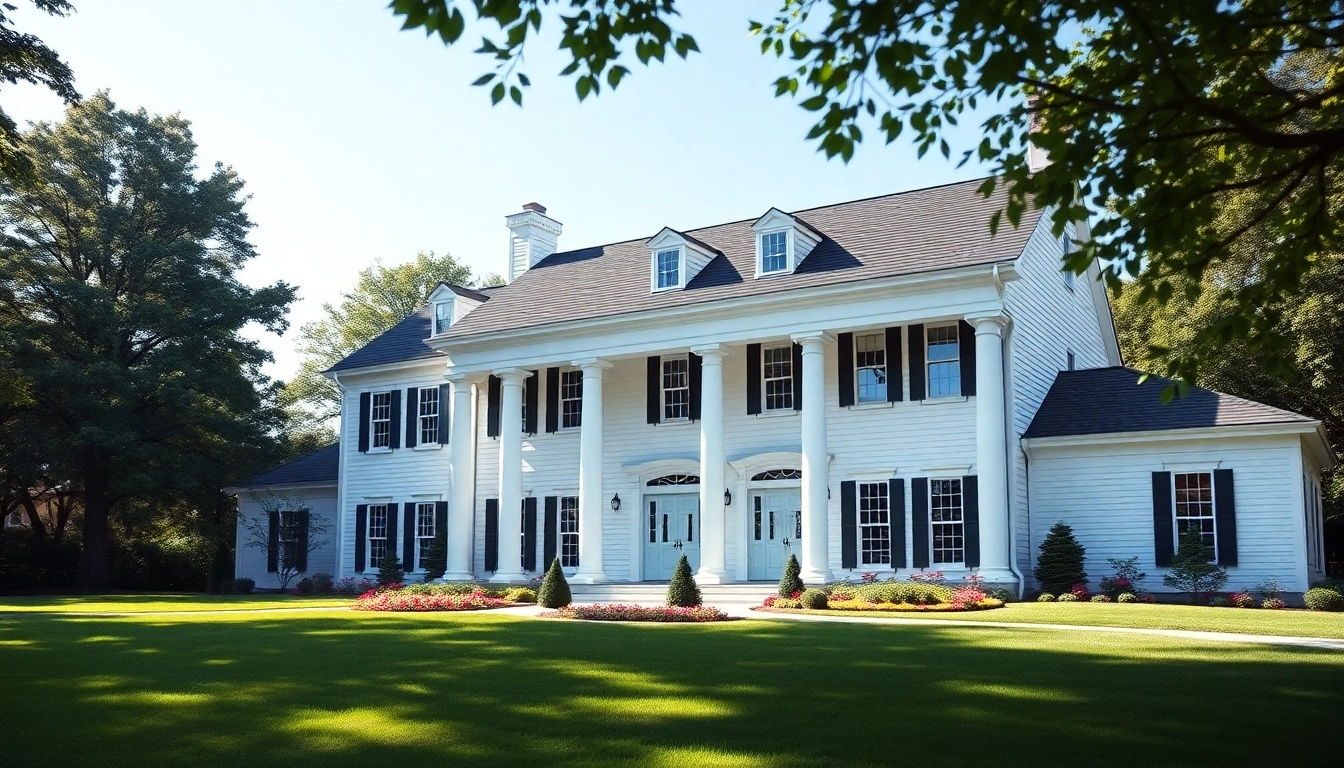
Colonial homes are characterized by several distinctive features that define their architectural style. Typically featuring a symmetrical facade, these structures usually have a centrally located front door flanked by equally spaced windows. Other common elements include:
- Rectangular shape: Most colonial homes are built in a rectangular layout to emphasize symmetry.
- Chimneys: Prominently placed chimneys at the center or ends of the structure are a notable feature.
- Gabled roofs: Steeply pitched roofs are typical, often adorned with decorative eaves.
- Heavy door trim: Well-defined door frames and elaborate trim often set colonial homes apart.
- Windows: Double-hung windows with shutters enhance the classic appearance.
Recent Trends in Colonial Home Design
While colonial homes primarily focus on historical elements, modern adaptations are gaining traction. Recent trends include:
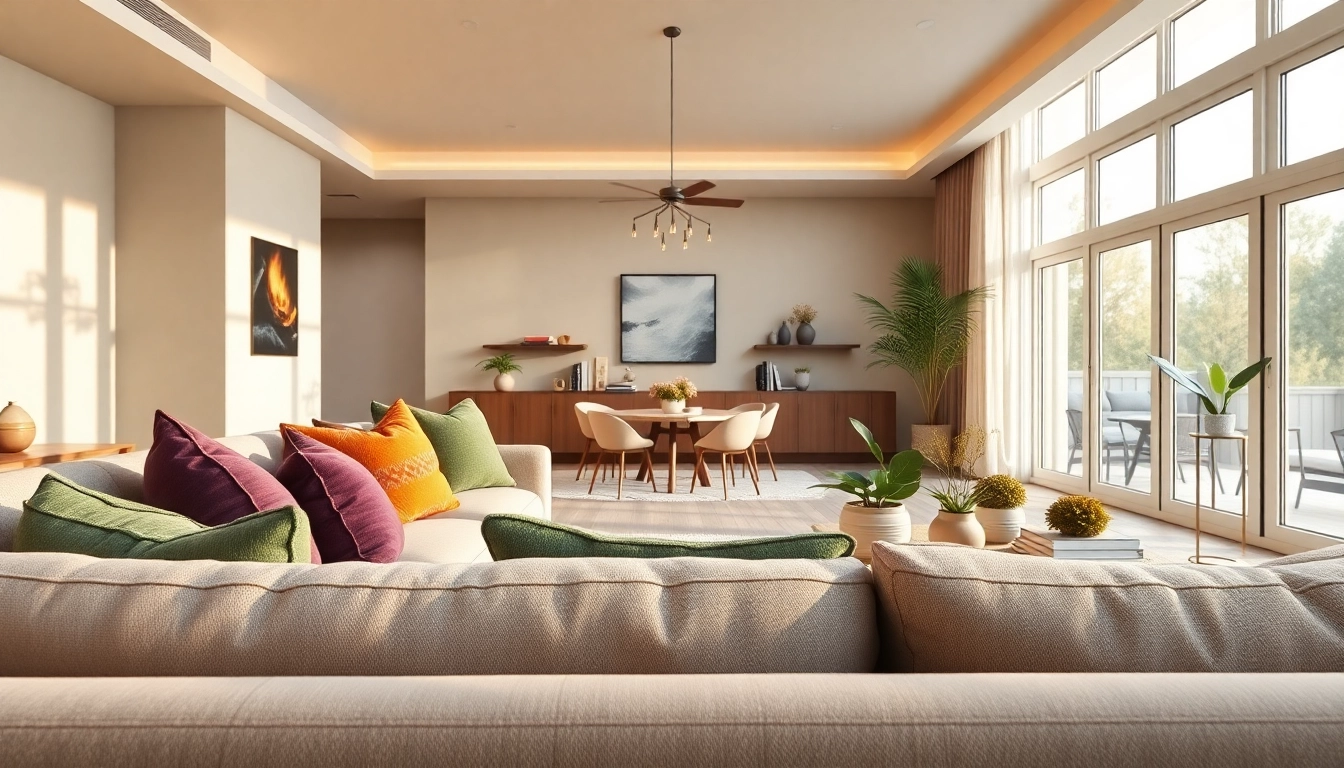
- Open floor plans: Blending traditional layouts with modern open spaces to enhance livability.
- Sustainable materials: Incorporating eco-friendly products into new constructions for energy efficiency.
- Smart home technology: Adding modern amenities while preserving the historical character.
- Farmhouse features: Integrating rustic materials and open areas reminiscent of modern farmhouses.
Planning Your Colonial Home New Build Construction
Key Considerations Before Building
Before diving into colonial home construction, careful planning is essential. Key considerations include:
- Design goals: Define what you want in your colonial home, prioritizing both aesthetics and functionality.
- Site selection: Consider the geographical setting and how it might influence your design.
- Zoning laws: Be aware of local regulations governing new constructions that could affect your project.
Budgeting and Financing Options
Establishing a reasonable budget is vital to the success of your project. Essential steps to budget effectively include:
- Estimating costs: Factor in land acquisition, construction materials, labor, permits, and landscaping.
- Financing: Explore various financing options like mortgages, home equity loans, or construction loans that suit your needs.
- Buffer for contingencies: Include 10-15% of your total budget to cover unexpected expenses that might arise.
Selecting the Right Location
The location of your colonial home is instrumental to its success. When choosing land, consider:
- Community: Evaluate local schools, amenities, and the overall neighborhood atmosphere.
- Proximity to work: Factor in commute times and access to transportation.
- Environmental concerns: Assess the land for flood risks, soil stability, and natural resources.
Designing Your Colonial Home
Exterior Design Elements
The exterior of a colonial home should encapsulate the essence of traditional architecture while accommodating modern demands. Key elements include:
- Color palettes: Choose classic hues like white, beige, or soft pastels to enhance colonial aesthetics.
- Materials: Utilize brick, wood siding, or stone; these materials convey authenticity.
- Windows and doors: Opt for historically accurate sizes and styles of windows and include ornate detailing on doorways.
Interior Space Planning
Effective interior space planning is crucial to create a harmonious living environment. Consider:
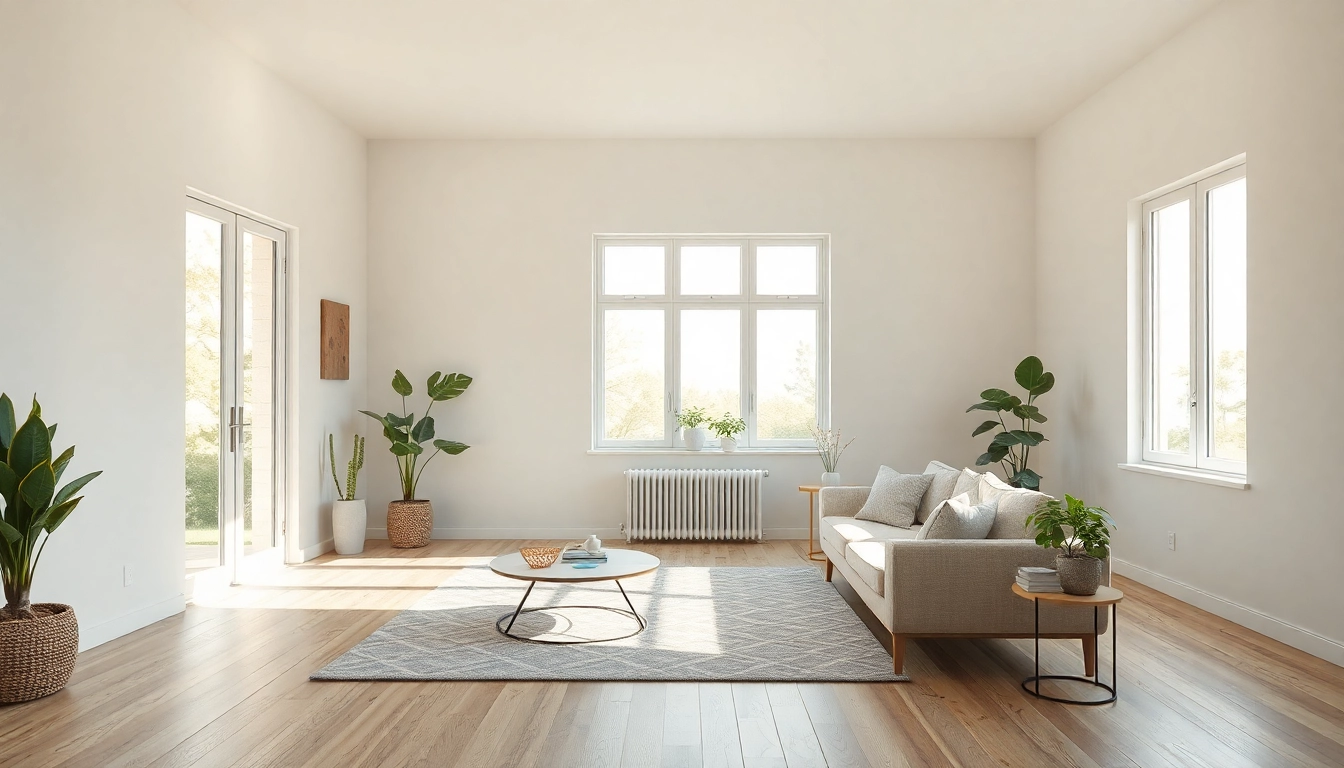
- Natural light: Arrange living spaces to maximize natural light through strategically placed windows.
- Flow and functionality: Ensure room transitions are logical and allow for easy movement between areas.
- Historical charm: Maintain an aesthetic connection to colonial history with appropriate decor and furnishings.
Incorporating Modern Amenities
Modern amenities can enhance the comforts of living in a colonial home. Essential upgrades might include:
- Energy-efficient appliances: Select appliances that reduce energy consumption while providing functionality.
- Smart home features: Integrate security systems, thermostats, and lighting that can be controlled remotely.
- Updated plumbing and electrical systems: Ensure that systems comply with modern codes while accommodating contemporary needs.
Execution of Colonial Home New Build Construction
Choosing the Right Contractors
Identifying competent contractors is critical to ensure successful completion of your project. Important steps include:
- Researching contractors: Look for those specializing in colonial architecture and building.
- Checking references and credentials: Verify past projects and obtain recommendations from previous clients.
- Interviews: Conduct interviews to gauge contractors’ understanding of your vision and ensure a good fit.
Managing the Construction Timeline
Proper management of the construction timeline helps to keep your project on track. Best practices include:
- Setting a realistic schedule: Establish a timeline that accounts for each phase of construction.
- Regular updates: Schedule meetings with contractors to discuss progress and any potential delays.
- Flexibility: Ensure that you remain adaptable since unforeseen circumstances often arise in construction projects.
Overcoming Common Construction Challenges
Construction projects can encounter numerous challenges. Strategies to mitigate these issues include:
- Communication: Foster open lines of communication with all parties involved to address concerns promptly.
- Managing expectations: Be transparent about potential challenges and remain realistic about timelines and budgets.
- Quality control: Consistently monitor workmanship to ensure that standards are being maintained throughout the process.
Final Touches and Home Maintenance
Landscaping Ideas for Colonial Homes
Landscaping plays a vital role in enhancing the curb appeal of colonial homes. Consider the following ideas:
- Symmetrical planting: Arrange trees and shrubs in symmetrical patterns to reflect the home’s architecture.
- Classic pathways: Incorporate stone or brick walkways leading to the front door, enhancing the home’s charm.
- Seasonal color: Select plants that provide vibrant colors throughout the seasons to keep the landscape appealing year-round.
Seasonal Maintenance Tips
Routine maintenance is crucial for preserving the beauty and integrity of your colonial home. Key tasks include:
- Weatherproofing: Inspect and reapply caulking and weatherstripping as needed to maintain energy efficiency.
- Gutter cleaning: Clear gutters regularly to prevent water damage and ensure proper drainage.
- Exterior painting: Refresh paint on the facade every few years to protect against weathering and maintain aesthetic appeal.
Enhancing Curb Appeal
To make your colonial home stand out, consider these enhancements:
- Updating front doors: Choose doors with a classic design that complements the architectural style.
- Exterior lights: Install outdoor lighting fixtures that match the colonial aesthetic while improving nighttime visibility.
- Outdoor seating arrangements: Add classic benches or rocking chairs on porches to invite relaxation and accessibility.
Frequently Asked Questions
What are key features of a colonial home?
A colonial home typically includes symmetry, a classic facade, rectangular shape, and a centrally located entrance.
How to budget for a colonial home construction?
Estimate costs by considering land, materials, labor, and permits; always include a buffer for unforeseen expenses.
What are modern trends in colonial home design?
Current trends include open floor plans, eco-friendly materials, and smart home technology integrated with classic designs.
Are colonial homes energy-efficient?
With proper insulation and modern windows, colonial homes can be designed to be energy-efficient, adhering to contemporary standards.
How can I enhance my colonial home’s curb appeal?
Incorporate classic landscaping, update front doors, and maintain the facade with fresh paint or detailing for enhanced curb appeal.