Understanding Ant Infestation Treatment
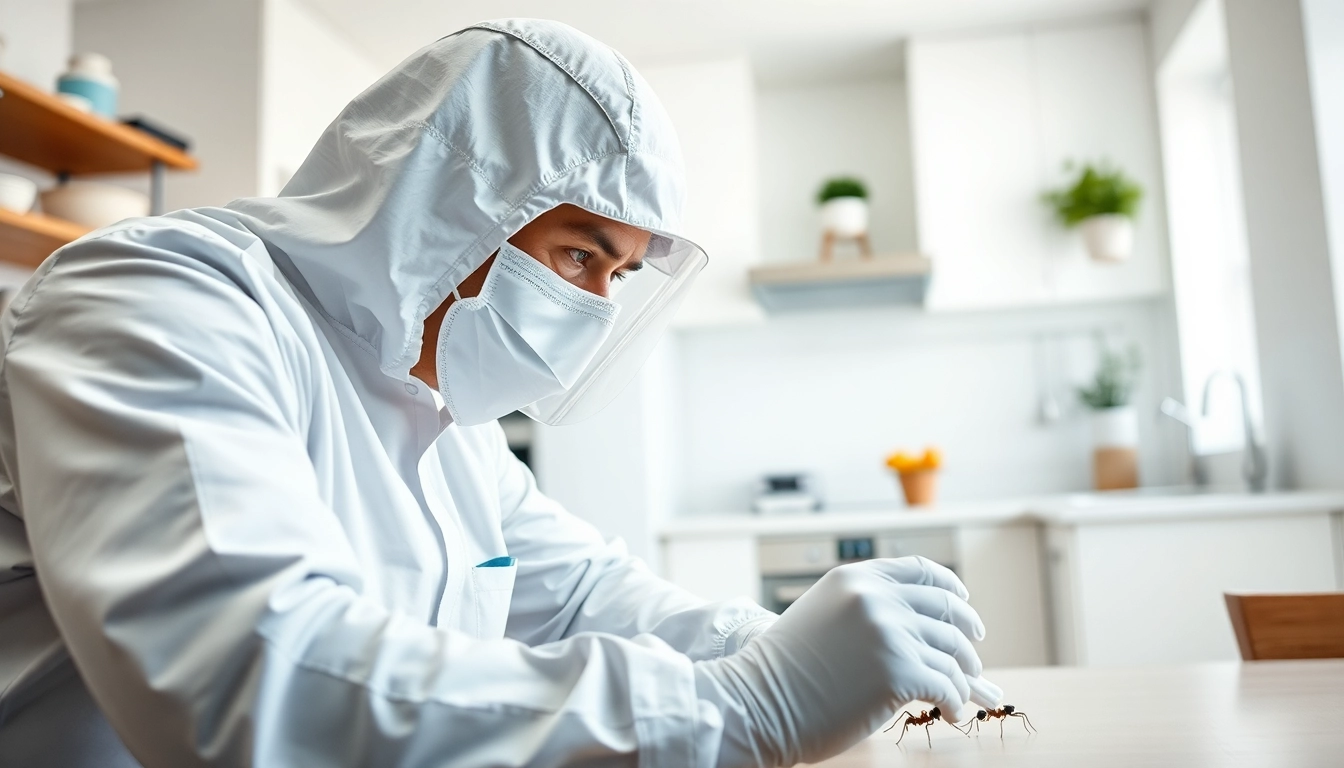
Ants, while often seen as a natural part of the ecosystem, can quickly become a nuisance when they invade our homes. Understanding the complexities of ant infestation treatment is essential for effective management. A multifaceted approach is required to identify, address, and prevent these pesky invaders.
What Causes Ant Infestations?
Ant infestations typically stem from a combination of environmental and behavioral factors. Key causes include:
- Food Accessibility: Ants are primarily driven by the search for food. Any open container of food, spilled crumbs, or even pet food can attract them.
- Moisture: Ants are also drawn to water sources. Sink leaks, pet water bowls, or areas with high humidity can provide the necessary damp environment.
- Environmental Conditions: Weather plays a significant role in ant movements. Dry conditions may drive ants indoors, while rain might lead them to seek sheltered areas.
Identifying Common Ant Species
Recognizing specific species of ants can significantly aid in choosing the right treatment strategy:
- Carpenter Ants: Known for nesting in wood, they can cause structural damage.
- Odorous House Ants: These small, dark ants emit a scent when crushed, resembling rotten coconuts.
- Fire Ants: With their aggressive behavior and painful stings, they require immediate management once spotted.
Assessment and Initial Steps
Before implementing any treatment, a thorough assessment of the infestation is crucial. Here’s what to consider:
- Inspection: Identify signs of an infestation, such as trails or nests.
- Mapping the Activity: Determine where the ants are entering your home and their path to food sources.
- Setting Traps: Use sticky traps to get an estimate of ant activity levels.
Preventing Ant Infestations
Cleaning and Maintenance Tips
Maintaining cleanliness is the first line of defense against ant infestations. Here are effective strategies:
- Frequent Cleaning: Regularly clean your kitchen, particularly countertops, floors, and dining areas.
- Proper Food Storage: Store food in airtight containers to deny ants access.
- Timely Trash Disposal: Ensure garbage cans are sealed and emptied regularly.
Sealing Entry Points
Sealing potential entry points is vital for long-term ant control. Consider the following steps:
- Close Cracks and Gaps: Inspect your home’s foundation, walls, and windows for cracks that can serve as entry points.
- Installation of Screens: Ensure windows and doors are equipped with screens to prevent ant access.
- Weather Stripping: Use weather stripping to seal gaps around doors.
Routine Inspections
Conducting regular inspections can help detect ant activity before it escalates. Keep an eye on areas prone to moisture and food residues:
- Basements and Crawl Spaces: Regularly check for signs of moisture or entry points.
- Kitchens and Pantries: Monitor for food spills and leaks.
- Outdoor Perimeters: Look for ant nests or trails leading to your home.
Effective DIY Ant Infestation Treatment
Naturally Derived Solutions
For minor infestations, natural solutions can be effective:
- Vinegar Solution: Mix equal parts vinegar and water in a spray bottle, and apply to ant trails.
- Boric Acid: A non-toxic substance when used properly, can eliminate ants when ingested.
- Diatomaceous Earth: This powder can be sprinkled in ant pathways as it irritates and dehydrates them.
Homemade Traps and Baits
Crafting traps using common household items can be both effective and inexpensive. Here are some ideas:
- Sugar and Borax Bait: Mix sugar with borax and set it out in areas where ants are active. The sugar draws them in, while the borax works to eliminate them.
- Soap and Water Trap: A simple mixture can be sprayed directly onto the ants to suffocate them.
Using Store-Bought Treatments
When DIY methods fall short, consider commercial products:
- Ant Baits: Available in various forms, these attract ants who then carry poison back to their colonies.
- Insecticides: Designed for more severe infestations, but should be used cautiously and according to instructions.
Professional Ant Infestation Treatment Options
When to Call an Expert
It may be time to consult a professional when:
- The infestation is too large for DIY treatments to handle.
- You notice structural damage caused by pests.
- Allergy concerns or safety issues are present.
What to Expect from Professional Services
When hiring pest control services, expect a systematic approach:
- Initial Inspection: Experts will assess the extent of the infestation.
- Customized Treatment Plan: A specialized plan based on the ant species and severity will be devised.
- Follow-Up Visits: Many services include follow-up checks to ensure treatment effectiveness.
Choosing the Right Pest Control Service
Selecting a reliable pest control service involves:
- Researching Credentials: Ensure the company is licensed, insured, and has good reviews.
- Asking Questions: Inquire about their treatment methods and guarantee policies.
- Reviewing Cost Estimates: Obtain quotes from different service providers.
Long-Term Ant Control Measures
Monitoring and Follow-Up
After treatment, consistently monitor the areas for new signs of activity:
- Regular Checks: Keep an eye out for new trails or entrances.
- Routine Maintenance: Schedule regular pest control inspections as a preventive measure.
Educating Household Members
Involving family members in pest control practices enhances effectiveness:
- Awareness: Teach everyone about what attracts ants and how to avoid it.
- Shared Responsibilities: Assign chores to ensure cleanliness around the home.
Reviewing Seasonal Trends
Ant activity often fluctuates with the seasons. Stay proactive by:
- Adjusting Strategies: Be prepared for a spike in activity during spring and summer.
- Preparing Your Home: Implement preventative measures when the weather warms.
FAQs
How long does ant infestation treatment take to be effective?
Effectiveness can vary; typically, you will start to see results within a few days to two weeks.
Can I use natural methods for ant infestation treatment?
Yes, natural remedies like vinegar and diatomaceous earth can be effective for minor infestations.
What attracts ants to my home?
Food sources, water, and shelter are the primary attractants for ants in residential areas.
Is professional ant infestation treatment worth the cost?
If DIY methods fail, professional treatments can provide more comprehensive solutions and guarantee results.
How can I prevent future ant infestations?
Maintain cleanliness, seal entry points, and conduct regular inspections to deter ants from returning.