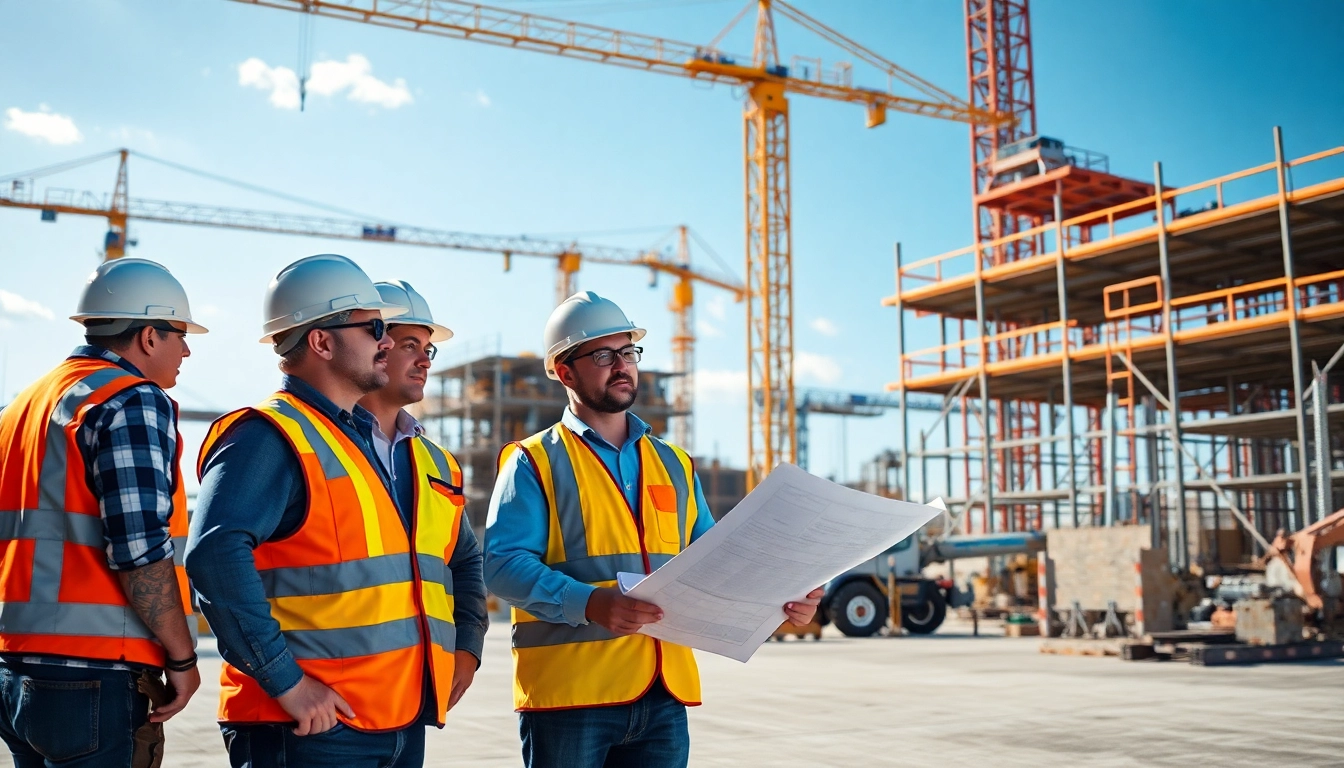
Understanding the Carolinas Construction Landscape
The construction industry in the Carolinas is a dynamic sector that reflects both the economic prosperity of the region and its evolving needs. From residential projects to large-scale commercial developments, the framework of Carolinas construction is influenced by several key factors, including economic conditions, market demands, and regulatory standards. Understanding these components is essential for stakeholders aiming to navigate this multifaceted landscape effectively.
Economic Factors Influencing Construction
A myriad of economic factors impact the construction industry in the Carolinas. Economic growth, interest rates, and demographic trends all play crucial roles. As more people migrate to the Carolinas, largely due to favorable living conditions, the demand for housing, infrastructure, and commercial spaces increases. According to various studies, population growth in this region has been significant, which in turn fuels residential and commercial real estate development.
Another important element is the interest rates. As rates trend lower, borrowing becomes more accessible, thus stimulating construction activity. This phenomenon often leads to a surge in construction projects, from residential homes to expansive commercial buildings. Additionally, the overall economic health of the Carolinas dictates the availability of funds for these initiatives, directly influencing the scope and scale of construction.
Key Players in Carolinas Construction
The construction arena in the Carolinas boasts a diverse array of stakeholders, including general contractors, subcontractors, suppliers, and local governments. Each plays a pivotal role in ensuring projects are completed on schedule and within budget. Major construction firms, often with deep local roots, understand the specific challenges associated with regional building practices, labor availability, and regulatory compliance.
Amidst these, subcontractors—who specialize in areas like electrical work, plumbing, and HVAC—are essential cogs in the construction machine. Their specialized skills ensure that various aspects of construction are executed proficiently. Furthermore, local suppliers are crucial for providing the materials needed for timely completion, underpinning the necessity of maintaining robust supply chains within the Carolinas.
Current Market Trends and Innovations
The Carolinas construction landscape is witnessing transformative trends fueled by advancements in technology and sustainability. Notable innovations include the rising adoption of Building Information Modeling (BIM), which enhances collaboration among teams and improves project accuracy. Through digital modeling, stakeholders can visualize projects before construction begins, reducing errors and costs significantly.
Additionally, sustainable construction practices have gained prominence as environmental concerns escalate globally. More construction firms are embracing green building techniques that minimize waste and conserve energy. These sustainable practices not only cater to the growing consumer demand for eco-friendly options but also reduce long-term costs. The integration of these trends into building projects reflects an industry that is becoming increasingly agile and responsive to new challenges.
Essential Regulations Governing Carolinas Construction
Navigating the regulatory landscape is crucial within the Carolinas construction sector. Compliance with laws and regulations ensures that projects are both safe and environmentally sound. Industry participants must have a thorough understanding of building codes, environmental regulations, and safety standards to successfully complete their projects.
Building Codes and Compliance
Building codes are designed to ensure safety, energy efficiency, and accessibility in construction projects. In the Carolinas, different localities may implement varying codes, which often reflect state and national guidelines. It is essential for contractors to stay informed and compliant with these codes to avoid costly delays and legal issues. Non-compliance can lead to project stoppages, fines, or even structural failure, which makes adherence paramount for industry success.
Environmental Considerations
Environmental regulations are increasingly affecting construction activities. Projects must comply with laws concerning land use, wetlands, and waste management. This can involve extensive environmental impact assessments before construction begins. An understanding of regulations related to stormwater management and the protection of natural ecosystems is vital for any successful project.
Safety Regulations and Best Practices
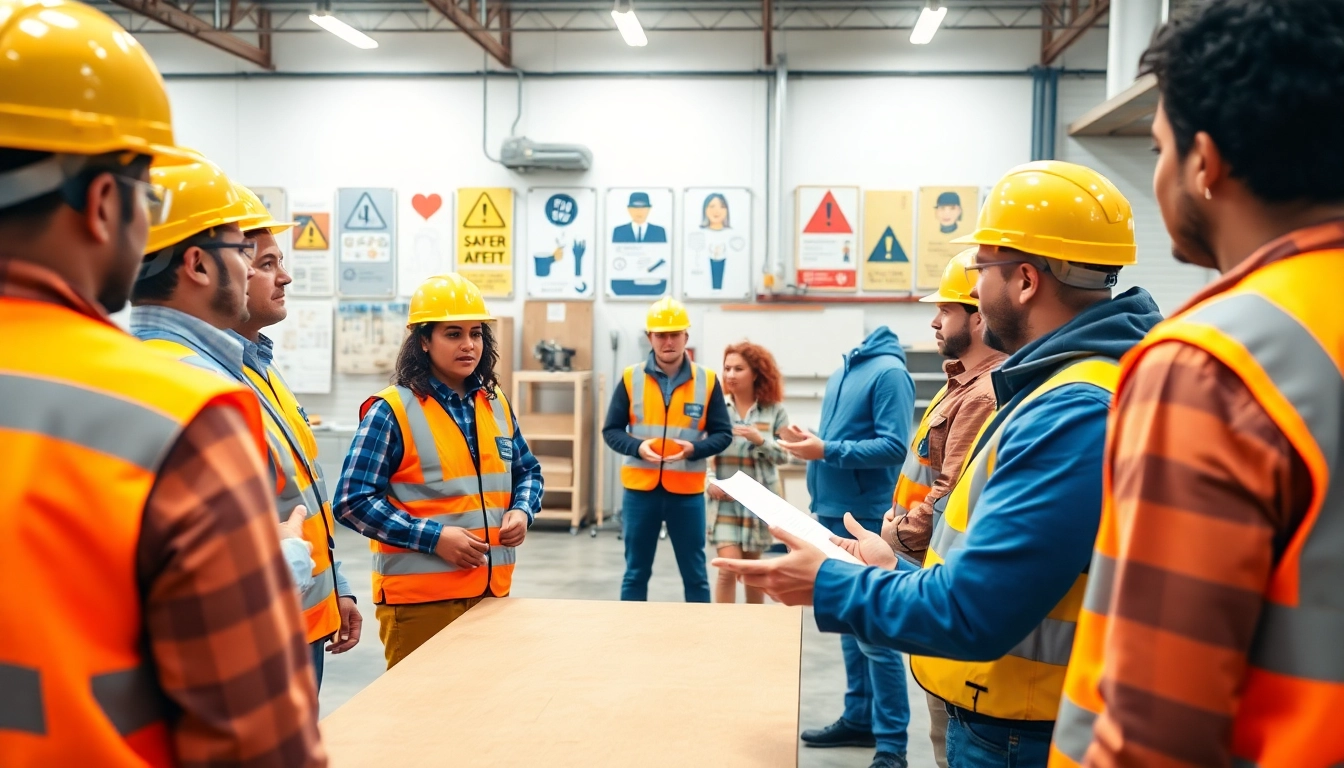
Safety is a non-negotiable aspect of construction in the Carolinas. The Occupational Safety and Health Administration (OSHA) outlines numerous regulations that govern worker safety on construction sites. Implementing comprehensive safety training programs, conducting regular safety audits, and adhering strictly to personal protective equipment (PPE) guidelines are best practices that companies should prioritize. A robust safety culture not only protects workers but also improves overall productivity and morale.
Advanced Techniques in Carolinas Construction
In a rapidly changing industry, embracing advanced techniques is essential for maintaining competitive advantage. The Carolinas construction sector is at the forefront of integrating innovative approaches to improve efficiency, sustainability, and overall project outcomes.
Green Building Practices
Green building practices have become a hallmark of modern construction. These methodologies encompass a wide range of strategies, including energy-efficient designs, sustainable materials, and renewable energy technologies. The use of solar panels and energy-efficient HVAC systems are popular in new builds as they greatly reduce energy consumption and environmental impact. Moreover, incorporating sustainable materials sourced from responsible suppliers can enhance the building’s overall value while catering to eco-conscious consumers.
Utilizing Technology in Building Projects
The integration of technology, such as drones, augmented reality (AR), and 3D printing, is transforming how construction is conducted. Drones can be deployed for site surveys and inspections, providing high-resolution imagery that aids in project monitoring. AR can create immersive visualization, allowing stakeholders to experience a project before it is built. Furthermore, 3D printing is revolutionizing material usage and design efficiency, enabling on-site construction of complex components quickly and accurately.
Importance of Skilled Labor
The success of any construction project heavily relies on the availability and skill level of the workforce. The industry has recently faced a labor shortage, emphasizing the need for robust training programs and apprenticeships. Upskilling workers through targeted training can bridge the skills gap while empowering local communities through job creation. Investing in workforce development not only enhances project outcomes but also ensures long-term sustainability in construction practices.
Roadblocks in Carolinas Construction Projects
Like any industry, construction in the Carolinas is not without its challenges. Various roadblocks often hinder the smooth operation of projects, necessitating strategic planning and problem-solving approaches.
Supply Chain Disruptions
Supply chain disruptions pose significant hurdles, particularly in the wake of global events that impact the availability of materials. Delays in procurement can stall construction timelines, resulting in budget overruns and dissatisfaction among stakeholders. Building strong relationships with local suppliers and exploring alternative sourcing options can alleviate some of these challenges, ensuring better material availability and price stability.
Cost Overruns and Budgeting
Cost overruns remain a pervasive issue in construction projects. Inaccurate budgeting, unexpected additional costs, and scope changes can lead to projects exceeding their financial projections. Adopting effective project management practices, such as detailed pre-construction planning and regular financial audits, can help manage budgets more effectively. Enhanced communication among stakeholders also promotes transparency regarding financial responsibilities and expectations.
Labor Shortages and Skill Gaps
The labor market in the Carolinas is experiencing a significant transformation, characterized by a shortage of skilled workers. This gap not only affects project timelines but also pushes wages higher, increasing overall project costs. Construction companies need to enhance recruitment initiatives, promote the trade as a viable career path, and invest in training programs to develop the necessary skills among prospective workers.
Future of Carolinas Construction
Looking ahead, the future of construction in the Carolinas is set to be shaped by various emerging trends, technologies, and a commitment to sustainability. Stakeholders must be prepared to adapt to these evolving dynamics to remain competitive in the market.
Emerging Technologies and Their Impact
As technology continues to advance, its integration into construction processes will expand. Emerging technologies, such as artificial intelligence (AI) and machine learning, could revolutionize project management and decision-making. These tools enable data analysis to optimize resource allocation and improve project forecasting. Companies that embrace these technologies can expect to enhance efficiency and productivity significantly.
Community Engagement in Development
Community engagement is increasingly becoming a priority in construction projects. Stakeholders are recognizing the importance of incorporating community perspectives in development plans. This can lead to projects that better meet local needs, gain public support, and enhance long-term viability. By fostering better communication between developers and community members, projects are more likely to address concerns and enhance overall community relations.
Sustainability Goals and Industry Outlook
The construction industry is under increasing pressure to meet sustainability goals. As environmental awareness grows, so does the push for more sustainable practices and materials in construction. The commitment to reducing carbon footprints, conserving energy, and utilizing renewable resources will dictate industry standards in the future. Firms that prioritize sustainability will likely gain a competitive edge, attract environmentally conscious clients, and contribute positively to the environment.
Frequently Asked Questions
What are the main factors influencing Carolinas construction?
Economic growth, interest rates, and demographic shifts are crucial factors affecting the Carolinas construction sector.
How can construction companies ensure regulatory compliance?
Staying informed about local building codes and regulations, and conducting regular audits, can ensure compliance for construction projects.
What role does technology play in modern construction?
Technology enhances accuracy, efficiency, and communication in projects through innovations like BIM, drones, and AR.
What are typical roadblocks faced in construction projects?
Common roadblocks include supply chain disruptions, cost overruns, and labor shortages that affect project timelines and budgets.
What is the future outlook for the construction industry in the Carolinas?
The future looks promising with an emphasis on technology integration, sustainable practices, and community engagement in development.