Understanding HVAC Systems
What is HVAC?
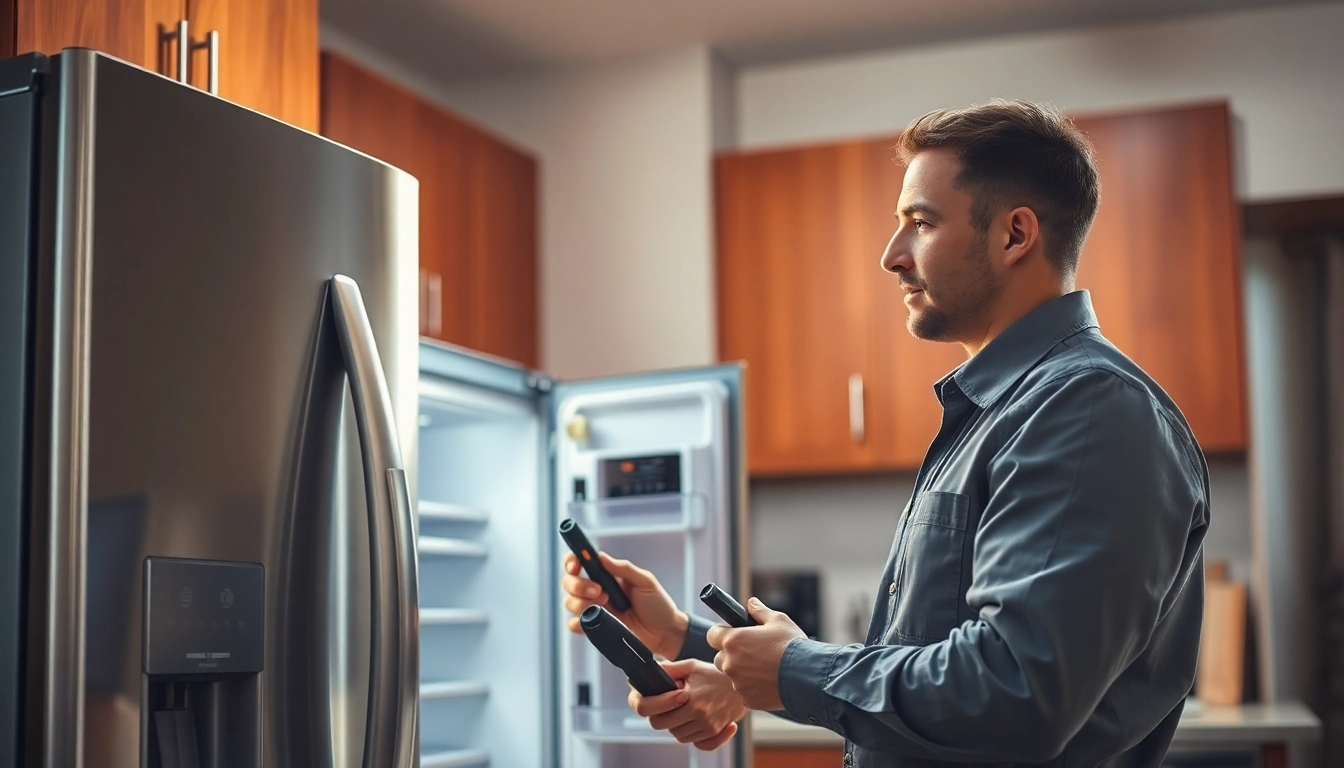
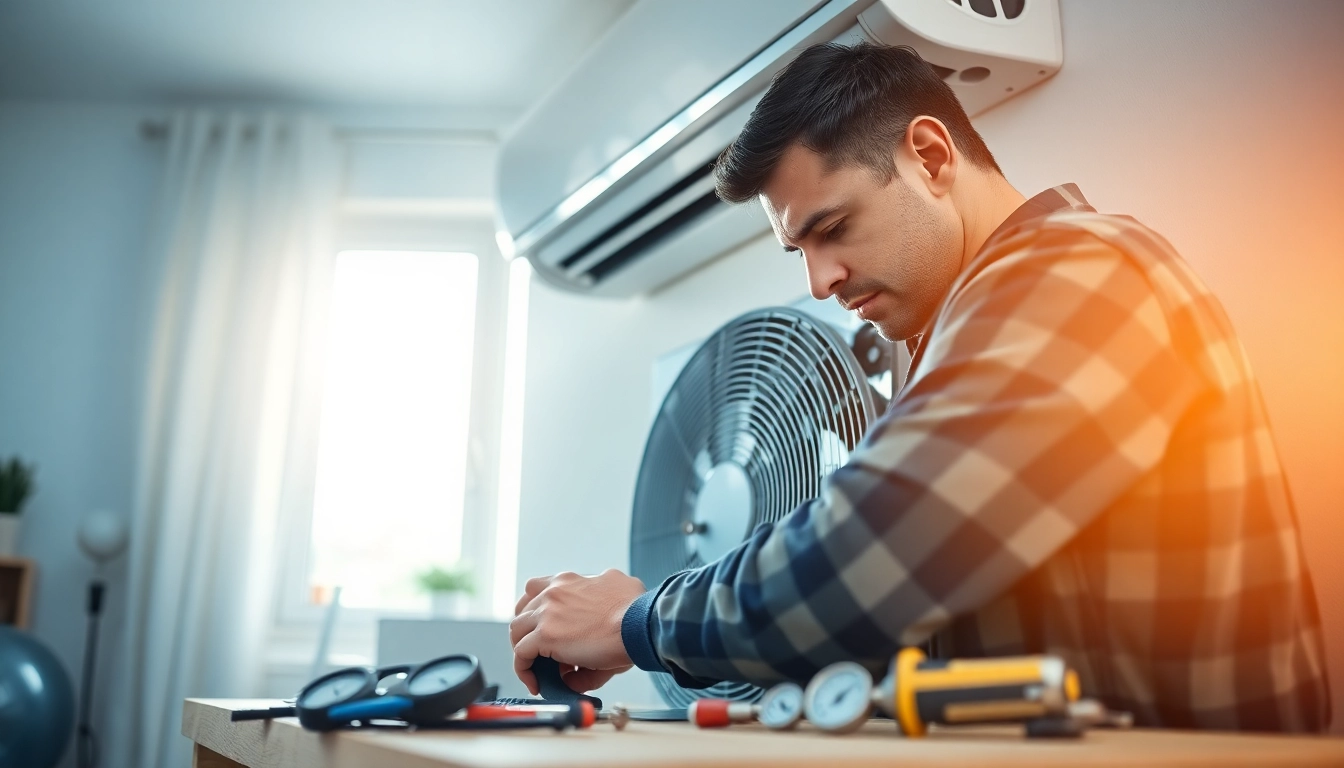
HVAC stands for Heating, Ventilation, and Air Conditioning. It’s a technology that provides thermal comfort and acceptable indoor air quality. Heating refers to the systems that heat up buildings during winter months, ventilation deals with the exchange of indoor air for outdoor air (which is essential for maintaining air quality), and air conditioning brings cooling and humidity control, making environments comfortable during hot weather. Understanding these basic components sets the stage for recognizing the importance of reliable HVAC Repair Tampa services.
Key Components of HVAC
The key components of HVAC systems include:
- Furnaces and Heat Pumps: These are responsible for heating indoor spaces. Furnaces burn fuel to produce heat, while heat pumps can both heat and cool spaces by transferring heat from one place to another.
- Air Conditioning Units: These units cool indoor spaces by removing heat and humidity, using refrigerant and a compressor to circulate air.
- Thermostats: The control system that manages temperature settings and can sometimes even program when to heat or cool based on user preferences.
- Ductwork: The network of ducts through which air is distributed throughout the building. Proper design and maintenance of this system are crucial for efficient operation.
- Air Filters: Filters prevent dust and allergens from circulating, maintaining good air quality, and protecting the system from debris accumulation.
The Importance of Maintenance
Regular maintenance of HVAC systems is critical for several reasons. First, it ensures optimal efficiency. Just like a car needs regular oil changes, HVAC systems require routine checks to prevent breakdowns. Second, maintenance lowers energy bills, as a well-tuned system uses less energy. Moreover, routine service can enhance the lifespan of the unit, ultimately saving homeowners money in the long term. Consistent checks also promote healthier air quality, ensuring the system filters out allergens and pollutants effectively.
Signs You Need HVAC Repair Tampa
Frequent Breakdowns
If your HVAC system is breaking down often, it’s a clear indication that something is wrong. Frequent repairs not only lead to inconvenience but can also escalate costs significantly. Each failure might indicate underlying issues such as worn-out components, electrical problems, or even issues in the ductwork. Observing trends in breakdowns can help diagnose long-term problems needing immediate attention.
Poor Air Quality
Have you noticed an increase in allergies or respiratory issues among your family members? Poor air quality is often a direct result of HVAC failure, caused by dirty filters or a malfunctioning system. Dust, allergens, and even mold can recirculate if your system isn’t functioning correctly. Regular cleanings and timely repairs can significantly improve indoor air quality.
Unexpected Energy Bills
A sudden spike in energy costs can often be traced back to HVAC inefficiencies. An aging or malfunctioning unit often works harder than necessary, driving up electricity bills. Keeping an eye on energy consumption patterns helps in identifying when your HVAC system is no longer operating efficiently, prompting an evaluation by professionals.
Choosing the Right HVAC Repair Service
Researching Local Providers
Finding a reliable HVAC repair service in Tampa involves thorough research. Look for companies that have strong reviews and uphold a good reputation in the community. Online platforms and local directories can provide insights. Also, check their certifications and whether they offer emergency repair services. It’s essential to choose a provider who understands the intricacies of local climate conditions and diverse building types.
Questions to Ask Potential Contractors
Before selecting an HVAC repair contractor, consider asking some critical questions:
- What is your experience with HVAC systems similar to mine?
- Can you provide references from former clients?
- What warranties do you offer on your repairs?
- Are you licensed and insured?
- How do you handle emergency repairs?
These questions help gauge their expertise and reliability.
Reading Reviews and Testimonials
Reading reviews and testimonials is an effective way to assess the quality of service. Look beyond star ratings—delve into the specifics of each review to understand common praises or complaints regarding the service. Additionally, consider checking third-party sites that aggregate customer feedback to get a rounded perspective on the contractor’s reputation.
DIY HVAC Repair Tips
Basic Troubleshooting Steps
There are a few simple DIY troubleshooting steps homeowners can take before calling a professional. Ensure your thermostat is set correctly; check for tripped circuit breakers; inspect air filters and change them if they are clogged; and listen for unusual noises from your unit. These basic checks can often pinpoint minor issues before they escalate.
When to Call a Professional
While DIY troubleshooting can resolve some minor issues, there are scenarios where professional help is necessary. If you’re experiencing frequent system breakdowns, notice strange noises like hissing or banging, smell unusual odors, or find inconsistent temperatures in your home, it’s time to call in a qualified technician. Attempting to fix complex issues without proper knowledge can lead to further damage or pose safety risks.
Preventive Maintenance Techniques
Preventive maintenance can greatly enhance the longevity and efficiency of your HVAC system. Schedule seasonal inspections, clean or replace filters every month, ensure ducts are free of obstructions, and check for refrigerant levels regularly. Invest in programmable thermostats to optimize energy consumption based on your lifestyle. These practices can prevent costly future repairs and ensure smooth operation year-round.
Cost Considerations for HVAC Repair Tampa
Average Repair Costs
The average cost of HVAC repairs can vary widely based on the issue, the system type, and regional labor rates. However, most common repairs range between $150 to $500. More complex issues, like a full system replacement or duct repair, can exceed $1,500. Understanding potential costs can help you budget accordingly and avoid surprises when the bill arrives.
Factors Affecting Pricing
Several factors influence HVAC repair costs, including the type of system you have, the extent of the damage, parts required for repair, and labor costs in your area. Complexity can also play a role—some repairs may require specialized knowledge or equipment, driving up the cost. Always ask for a detailed breakdown from your contractor to understand pricing more thoroughly.
Potential Savings and Benefits
Investing in timely HVAC repairs leads to long-term savings through improved energy efficiency and reduced utility bills. Additionally, a well-maintained system can lead to extended lifespans and fewer emergency repair costs over time. It’s crucial to weigh the costs of repair against the potential savings to make a well-informed decision.
FAQs About HVAC Repair Tampa
How often should I schedule HVAC maintenance?
It’s generally recommended to have professional HVAC maintenance at least twice a year, ideally before summer and winter seasons.
What are common HVAC system issues?
Common issues include dirty filters, malfunctioning thermostats, leaks in ductwork, and insufficient refrigerant levels.
How do I know if I need to replace my HVAC system?
If your system is over 15 years old, needs frequent repairs, or shows poor efficiency, it may be time for a replacement.
Can I perform my own HVAC repairs?
While basic troubleshooting is possible, extensive repairs should be left to professionals to ensure safety and proper functioning.
What should I look for in an HVAC repair service?
Look for licensed and insured providers, experience with your system type, solid customer reviews, and clear service agreements.