
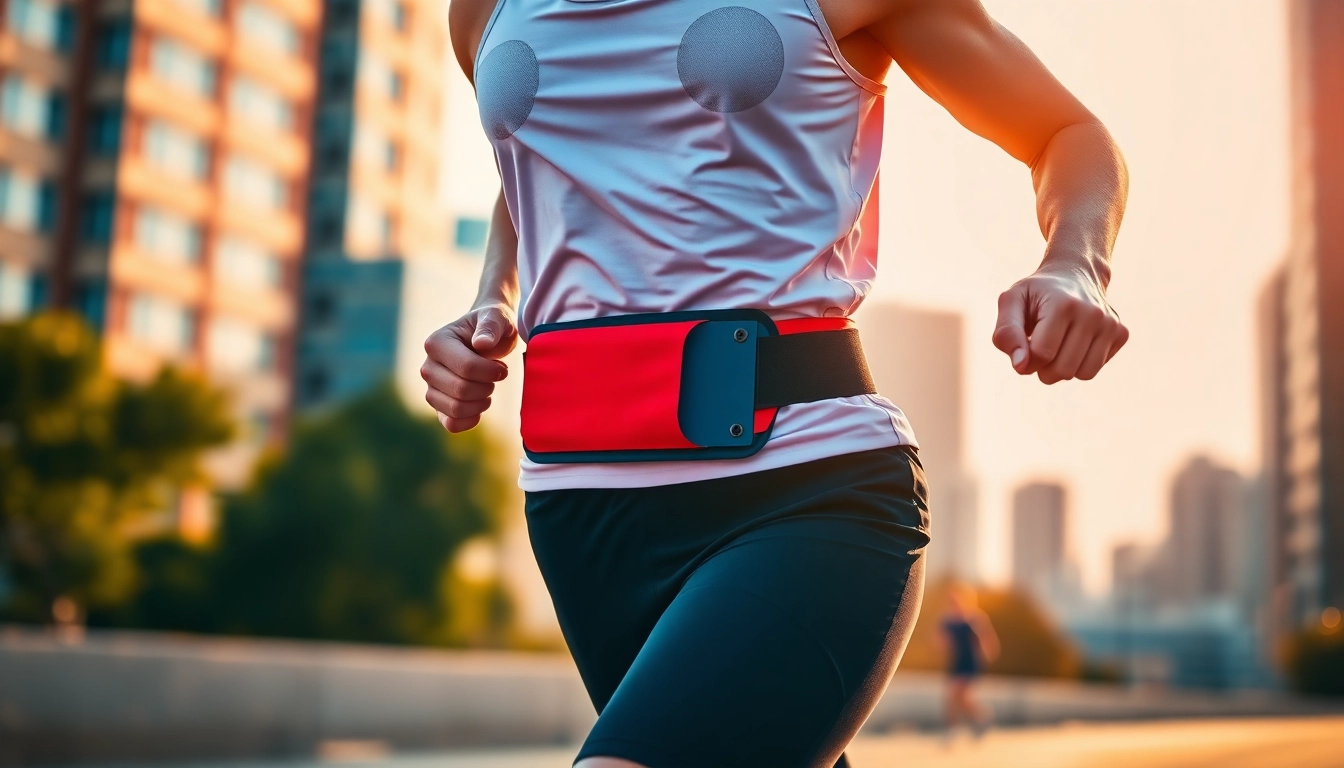
The Purpose and Benefits of a Running Waist Belt
As running continues to grow in popularity, the use of accessories that enhance performance and convenience is becoming increasingly essential. One such accessory is the running waist belt, which offers a myriad of functions tailored to improve the running experience. Whether you are a casual jogger or a seasoned marathoner, understanding the purpose and benefits of a running waist belt can significantly enhance your outdoor endeavors.
What is a running waist belt?
A running waist belt is a specialized accessory designed to sit comfortably around the waist while providing storage for essentials during runs. Unlike traditional bags or backpacks, running waist belts are lightweight and designed to minimize bounce and interference, ensuring focus remains on performance. Typically made from stretchy materials, they come with pockets or compartments that can securely hold items such as phones, keys, snacks, and hydration supplies.
Advantages of using a running waist belt
The advantages of incorporating a running waist belt into your routine are manifold:
- Hands-Free Convenience: With a running waist belt, you can enjoy the freedom of movement without having to clutch your phone or other essentials.
- Improved Comfort: Designed to hug the body closely, these belts minimize bouncing and chafing during runs, enhancing the overall comfort level.
- Accessibility: Quick access to your items ensures you can easily grab your phone for a quick call or a hydration bottle when needed without stopping.
- Safety: Storing your valuables within a running waist belt decreases the likelihood of losing them while running.
When to use a running waist belt: Scenarios and conditions
There are numerous scenarios in which a running waist belt proves beneficial:
- Long-Distance Runs: Ideal for carrying hydration supplies and snacks during longer training sessions or races.
- Trail Running: Provides a secure method to carry essential items like maps, first-aid kits, and energy gels.
- Urban Running: Perfect for city residents who need to carry personal items securely while navigating crowded streets.
- Competitive Races: Many racers prefer the streamlined nature of running waist belts over bulky traditional packs.
Choosing the Right Running Waist Belt for Your Needs
With various options on the market, finding the right running waist belt can be an overwhelming task. However, understanding key features and your needs can simplify the decision-making process.
Key features to look for in a running waist belt
When searching for the perfect running waist belt, consider these essential features:
- Size and Adjustability: A belt that is adjustable and available in various sizes accommodates different body types, ensuring it remains secure during runs.
- Storage Options: Look for multiple compartments or pockets suited for different items to keep everything organized and easily accessible.
- Material: Opt for moisture-wicking, breathable fabrics that enhance comfort and durability.
- Weight: Lightweight construction is crucial to ensure that the belt doesn’t add extra strain during long runs.
Adjustability and fit: What matters most?
The fit of a running waist belt is a critical consideration. A well-fitting belt should sit snugly yet comfortably on your hips without riding up or bouncing. Many belts incorporate elastic materials combined with adjustable straps to enhance fit across various activities and body shapes. Additionally, ensure the belt is compatible with your apparel. It should either fit over clothing without excess bulk or under your shirt for a seamless appearance.
Material and design considerations for optimal performance
The construction material of the running waist belt plays a vital role in its performance. Look for belts made of lightweight, stretchy fabrics that offer breathability to avoid discomfort due to sweating. Waterproof materials can also be beneficial, especially if you’re running in varied weather conditions or carrying electronic devices. Reflective elements in the design are an added safety feature for nighttime runners, enhancing visibility in low-light conditions.
Popular Types of Running Waist Belts
Understanding the different types of running waist belts available can help you select the right option tailored to your running style and goals.
Hydration-focused running waist belts
Hydration-focused running waist belts are specially designed to hold water bottles or hydration packs, catering primarily to long-distance runners. These belts are equipped with specific compartments to securely carry hydration supplies, allowing for quick sips during runs without having to stop. Some models also have loops for carrying additional essentials like energy gels or snacks.
Minimalist vs. storage-friendly options
Minimalist running waist belts are perfect for runners who prefer to carry only the essentials like a phone and keys. They offer a lightweight, low-profile solution that remains discreet during lists. In contrast, storage-friendly belts provide ample space and additional pockets for those who wish to carry more substantial supplies or gear, making them suitable for longer training runs or races.
Specialized running waist belts for events and races
Many brands offer specialized running waist belts catering to various events such as marathons, trail runs, or obstacle races. These belts often include enhanced features like uniform sizing, extra compartments for gear, and designs that prioritize comfort and ease of use. Choosing an event-specific belt can enhance your experience on race day.
How to Properly Use a Running Waist Belt
Knowing how to properly use a running waist belt is crucial for an optimal experience. Here are some tips to ensure you get the most out of your belt.
Steps for donning your running waist belt
Putting on a running waist belt can be straightforward:
- First, adjust the strap to your waist size, ensuring it can fit snugly but comfortably.
- Place the belt around your waist, ensuring any pockets or compartments are facing outward for easy access.
- Once secured, double-check the tightness; it should not be so tight that it restricts movement or breathing.
What to pack: Essentials for your runs
When using your running waist belt, it’s essential to pack wisely. Here are common items considered must-haves:
- Hydration: Always carry enough water for long runs.
- Nutrition: Pack energy gels or snacks for boosts during extended activities.
- Personal Items: Store your phone for emergencies, keys, and identification.
Tips for maintaining comfort during your run
To maximize comfort while using your running waist belt:
- Ensure that the belt is tight enough to prevent bouncing but loose enough not to restrict movement.
- Consider wearing moisture-wicking fabric against your skin to avoid chafing.
- Practice running with the belt before your key workouts or races to ensure you understand how it feels and how to access your essentials easily.
Frequently Asked Questions About Running Waist Belts
What does a running waist belt do?
A running waist belt holds essentials like phones and hydration supplies while you run, providing convenient storage and allowing hands-free movement.
Are running waist packs worth it?
Yes, running waist packs are worth it for their convenience and ability to carry essentials securely during runs, promoting a more enjoyable experience.
Can I wear a running waist belt over clothing?
Absolutely! Running waist belts can be worn over clothing to make items easily accessible, ensuring comfort and functionality during workouts.
How do I clean my running waist belt?
Cleaning a running waist belt typically involves hand washing it with mild detergent and air drying, ensuring it’s clean before storing or using it again.
What should I carry in a running waist belt?
It’s ideal to carry hydration, energy gels/snacks, your phone, keys, and identification. Customize based on your run’s duration and location needs.