Understanding Custom Part Manufacturer Services
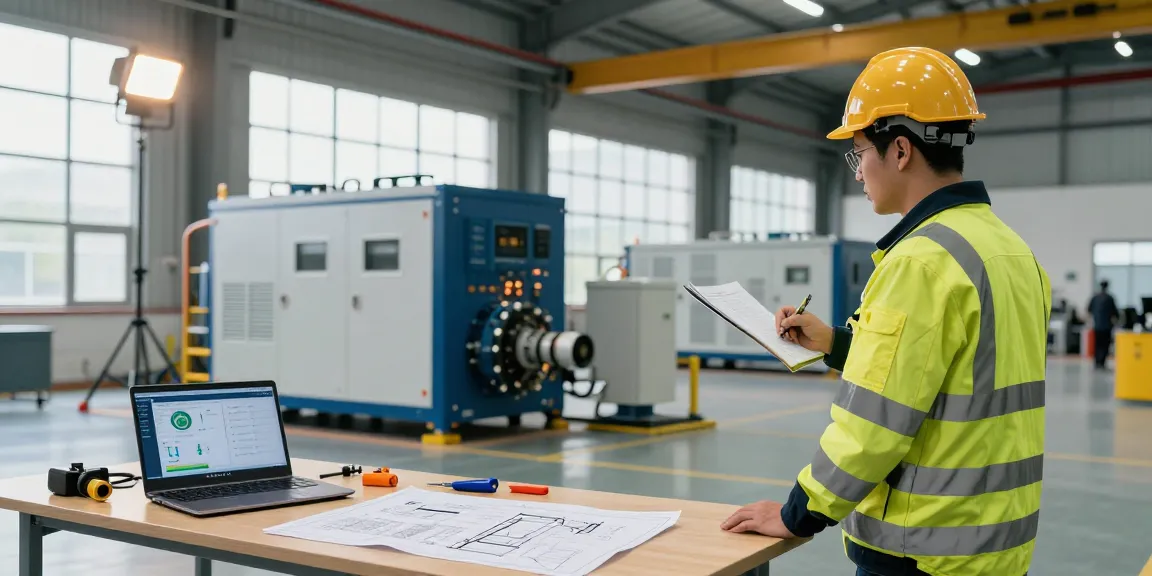
In the evolving landscape of manufacturing, the role of a custom part manufacturer has garnered significant attention. These manufacturers cater to a diverse range of industries, producing parts that are tailored to specific client requirements. This article delves into the intricacies of custom manufacturing, emphasizing its definitions, importance, and the wide array of industries that benefit from these services.
Defining Custom Manufacturing
Custom manufacturing refers to the creation of products tailored to fulfill specific needs. Unlike mass production, which prioritizes uniformity, custom manufacturing emphasizes individualized solutions. This can range from unique dimensions, materials, and functionalities to specific finishes required by the client. Manufacturers in this domain utilize specialized equipment and processes to meet the exacting standards laid out by their clients.
Importance of Customization in Manufacturing
The importance of custom manufacturing cannot be overstated. First and foremost, it provides flexibility that is essential in today’s dynamic market. Businesses can design products that precisely meet user needs, facilitating greater satisfaction and loyalty. Furthermore, custom parts often lead to improved performance and efficiency in various applications, enhancing competitive advantage.
Industries Leveraging Custom Part Manufacturing
Many industries leverage custom part manufacturing to enhance their operations. Notable examples include:
- Aerospace: Requires precision-engineered components for safety and performance.
- Automotive: Customized parts integral to vehicle design and functionality.
- Medical: Creation of bespoke medical devices and instruments tailored to patient needs.
- Electronics: Development of custom housings and components for enhanced device performance.
- Construction: Components tailored to specific architectural designs and building requirements.
Key Technologies Used by Custom Part Manufacturers
Various technologies underpin the operations of custom part manufacturers, enabling them to produce high-quality, precision components.
CNC Machining: Precision at Its Best
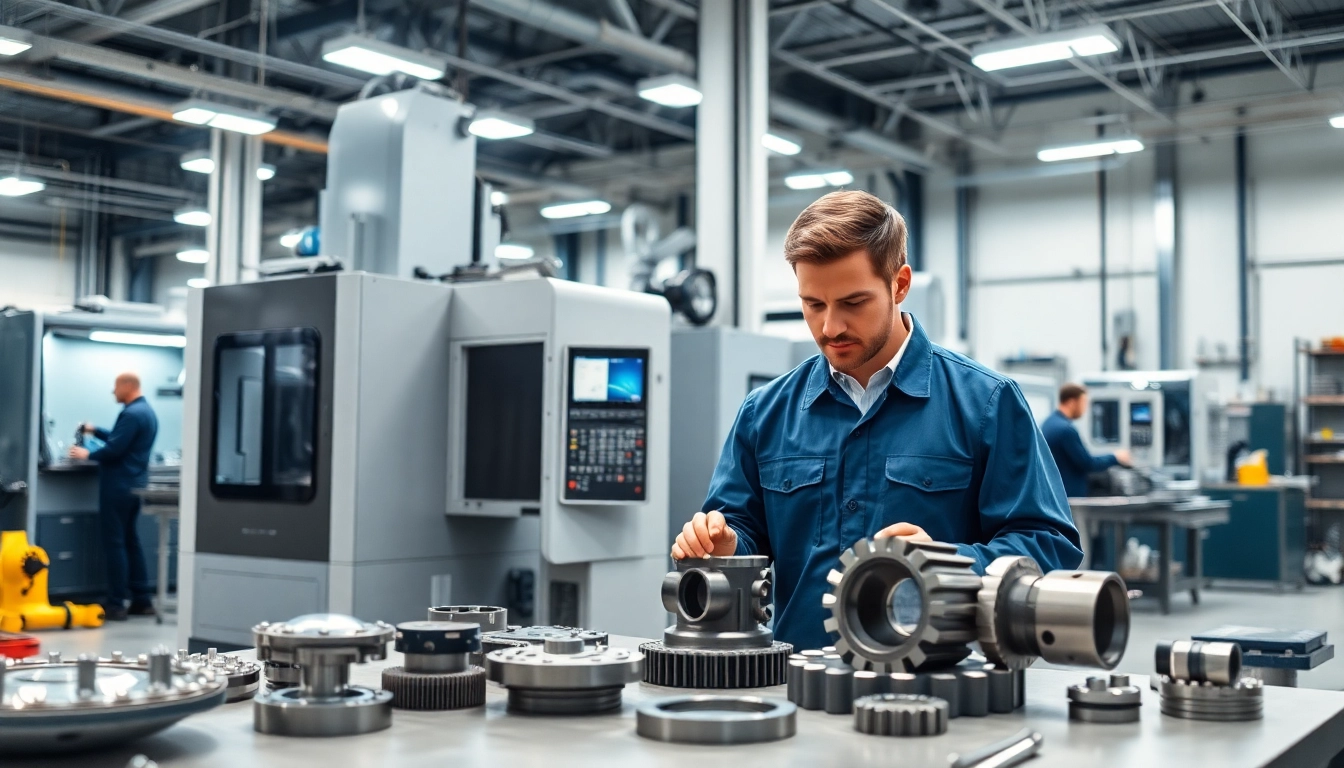
CNC (Computer Numerical Control) machining stands out for its accuracy and efficiency in producing custom parts. This technology uses computer controls to manipulate machinery, such as lathes or mills. CNC machining is lauded for its ability to produce complex shapes with intricate details while ensuring a high degree of repeatability. The reduction in human error further enhances the quality of the final products.
3D Printing and Its Impact on Manufacturing
3D printing, or additive manufacturing, has revolutionized the production landscape by enabling the creation of parts layer by layer. This process allows for a greater degree of customization, quick prototyping, and reduced waste. Industries utilizing this technology benefit from rapid turnaround times and the ability to easily modify designs, making it ideal for custom manufacturing scenarios.
Injection Molding Techniques Explained
Injection molding is another vital technology in the arsenal of custom part manufacturers. It involves injecting molten material, usually plastic, into a mold, where it cools and solidifies into the desired form. This method is particularly efficient for producing large volumes of identical parts with complex geometries. Customization often revolves around the choice of material and mold design, resulting in tailored components suitable for various applications.
Choosing the Right Custom Part Manufacturer
Choosing the right custom part manufacturer is crucial for ensuring the success of any project. Several factors should be considered during this decision-making process.
Evaluating Quality Assurance Processes
Quality assurance is the backbone of manufacturing processes, particularly in custom part production. Manufacturers should maintain rigorous quality checks throughout their production processes. Implementing standards such as ISO certification often indicates a commitment to quality, ensuring that parts meet or exceed client specifications.
Comparative Cost Analysis of Custom Part Manufacturers
Cost is an essential aspect of choosing a manufacturer. It’s critical to conduct a comparative analysis that encompasses material costs, labor, and overheads. Understanding the total cost of ownership is vital as it impacts budgeting and financial planning. Competitive pricing may also be a significant indicator of a manufacturer’s efficiency and market position.
Assessing Turnaround Times and Capacity
Turnaround time is a key factor that affects product launch timelines. Potential partners should be evaluated based on their ability to meet project deadlines without compromising quality. Additionally, understanding a manufacturer’s production capacity can help gauge whether they can handle current and future volume needs.
Common Challenges in Custom Manufacturing
Despite the advantages, custom manufacturing comes with its challenges. Understanding these can aid in mitigating potential issues.
Addressing Material Selection Challenges
Material selection poses significant challenges due to the vast array of options available, each with unique properties and costs. Manufacturers must balance performance requirements with cost-effectiveness. A thorough understanding of materials helps in selecting the right one that enhances functionality and meets specifications.
Managing Production Schedules and Deadlines
Effective management of production schedules is critical to ensuring timely delivery. Manufacturers often face disruptions due to fluctuating demand, unexpected equipment failures, or raw material shortages. Implementing robust project management techniques can enhance scheduling, allowing for flexibility and adaptability to resolve such challenges.
Quality Control Issues in Custom Manufacturing
Maintaining quality amidst variability introduced by custom orders can be difficult. Establishing comprehensive quality control protocols, such as inspections at various production stages, is vital. Regular audits and feedback loops enable continuous improvement, ultimately ensuring that the final products meet the required standards.
Future Trends in Custom Part Manufacturing
The custom manufacturing sector is continually evolving, driven by technological advancements and market demand.
Integrating AI and Automation in Manufacturing Processes
Artificial intelligence (AI) and automation are set to redefine manufacturing processes by enhancing efficiency, reducing costs, and minimizing human error. AI can optimize production schedules, predict maintenance needs, and assist in design processes, allowing manufacturers to focus more on innovation and quality enhancement.
Sustainability Practices in Custom Manufacturing
Sustainability is gaining traction in manufacturing, with increasing pressure on companies to adopt environmentally friendly practices. Manufacturers are looking into eco-friendly materials, waste reduction techniques, and energy-efficient processes to minimize their carbon footprint while still meeting customer demands.
The Rise of On-Demand Manufacturing
On-demand manufacturing is reshaping the way businesses approach production, allowing them to produce parts only as needed. This model not only reduces excess inventory but also ensures that manufacturers can quickly adapt to changing market conditions, catering to specific customer requests with agility.
FAQs
What is a custom part manufacturer?
A custom part manufacturer specializes in producing components tailored to specific customer requirements, ensuring tailored solutions across various industries.
How do I choose a custom part manufacturer?
Evaluate potential manufacturers based on quality assurance processes, turnaround time, production capacity, and cost-effectiveness to find the right fit for your needs.
What technologies are used in custom manufacturing?
Common technologies include CNC machining, 3D printing, and injection molding, each offering unique benefits for producing custom parts efficiently.
What are the challenges of custom manufacturing?
Challenges include material selection, production scheduling, and maintaining quality control, which requires careful management and robust processes to mitigate.
What future trends should we be aware of?
Key trends include the integration of AI and automation, a focus on sustainability, and a shift towards on-demand manufacturing practices for greater flexibility.