
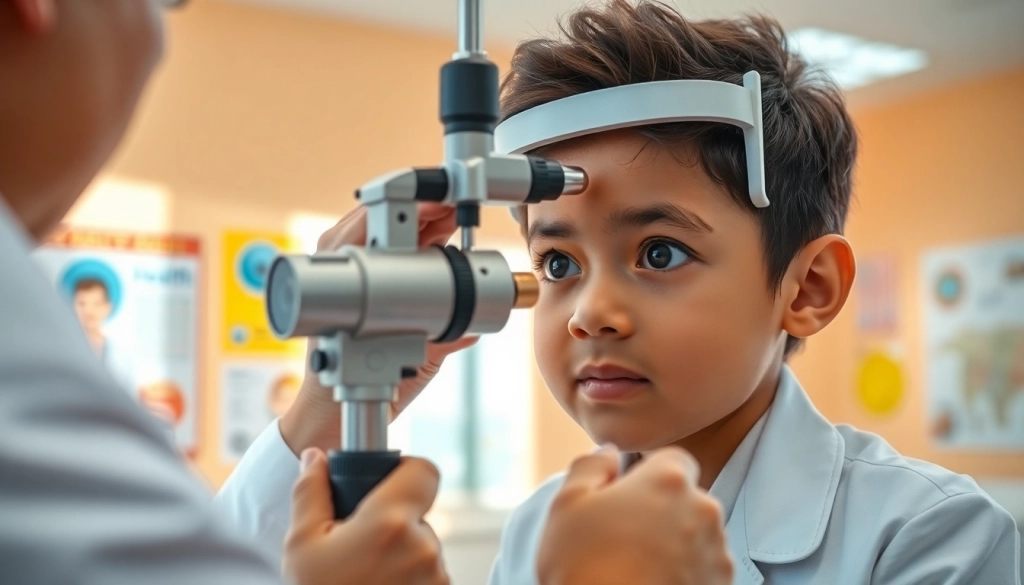
Understanding the Urgency of Our Children’s Vision
Vision impairment in children is a rising concern that affects their overall development, academic performance, and quality of life. Millions of children worldwide are affected by visual problems, yet access to adequate eye care is often limited. It is imperative that we address this urgent issue through initiatives like Our Children’s Vision, which focuses on providing eye care to children who need it most.
The Prevalence of Vision Impairment in Children
Statistics indicate that vision impairment affects approximately 19 million children globally. Conditions such as refractive errors, strabismus, and amblyopia are among the leading causes of visual impairment in the pediatric population. The prevalence rates differ widely across regions; for instance, low-income countries are often the worst affected due to lack of resources and healthcare infrastructure. Early identification and intervention are crucial, as undetected vision problems can lead to long-term visual disability.
How Access to Eye Care Affects Learning
Access to proper eye care plays a pivotal role in a child’s ability to learn. Vision is integral to a child’s development, influencing cognitive skills, academic performance, and social interactions. Children who cannot see clearly may struggle with reading and writing, impacting their ability to excel in school. Research has shown that early eye examinations and corrective measures can dramatically improve academic performance and overall well-being, emphasizing the need for initiatives that promote accessible eye care services.
Statistics Highlighting the Eye Care Crisis
Data reveals alarming trends concerning children and vision care. Approximately 30% of school-aged children experience some form of vision impairment, often without their parents even realizing it. Comprehensive eye examinations are essential, yet many children, especially in underserved communities, do not receive the necessary screenings. The gap in access to eye care can exacerbate educational inequalities, necessitating a collaborative approach to bridge this divide.
Core Initiatives of Our Children’s Vision
Our Children’s Vision is mobilized through various strategic initiatives aimed at improving access to eye care services for children. These initiatives involve collaboration, awareness campaigns, and research to create sustainable solutions to visual impairment in the youth.
Building Partnerships for Better Eye Health
Strategic partnerships are essential to ensure that eye care reaches the most vulnerable populations. Collaborating with schools, healthcare providers, and community organizations enables Our Children’s Vision to create a network dedicated to child eye health. These partnerships facilitate resources, support, and funding that can enhance access to vision care, ensuring that children receive comprehensive eye exams and treatments when necessary. Collaborative efforts can also develop tailored programs that address specific needs in different communities.
Raising Awareness about Children’s Eye Care
Awareness is a powerful tool. Through outreach programs and educational campaigns, Our Children’s Vision strives to inform parents and caregivers about the importance of regular eye exams. Public service announcements, community events, and social media campaigns aim to disseminate vital information on recognizing symptoms of vision problems, the benefits of early intervention, and ways to seek help. Awareness initiatives can empower caregivers to prioritize their children’s eye health, leading to timely action and improved outcomes.
Research into Effective Eye Care Solutions
Research is foundational to understanding and addressing the complexities surrounding children’s eye health. By investing in studies focused on eye care efficacy, Our Children’s Vision can identify best practices, innovative treatment methods, and strategies tailored to diverse populations. Collaborating with research institutions helps bring evidence-based solutions to the forefront, enhancing the effectiveness of eye care interventions and fostering a framework for future initiatives.
Strategies for Parents: Supporting Our Children’s Vision
Parents play a critical role in ensuring their children’s ocular health. By recognizing signs of vision impairment and seeking timely intervention, they can significantly impact their child’s future.
Recognizing Signs of Vision Problems
Awareness and knowledge about vision problems can empower parents to act promptly. Common indicators include squinting, holding reading materials too close or too far, and difficulty discerning colors. Parents should observe their children’s behaviors and be proactive in addressing any concerns. Regular eye check-ups should be part of every child’s healthcare routine, especially if there are family histories of refractive errors or eye diseases.
Proactive Steps for Eye Health
Taking proactive measures can safeguard children’s eye health. Encouraging a healthy diet rich in vitamins A, C, and E, and omega-3 fatty acids contributes to ocular health. Limiting screen time and encouraging outdoor activities also promotes eye fitness. Parents should also participate in their children’s vision care journey by scheduling regular eye check-ups and discussing any changes in vision with a healthcare professional.
Resources for Parents and Guardians
Numerous resources are available to assist parents in navigating their child’s eye care. Local health departments can provide information on free and low-cost vision screenings. Online platforms offer educational materials about eye health, common vision problems in children, and preventive measures. Utilizing these resources can empower parents to advocate for their children’s eye health effectively.
Engaging Communities with Our Children’s Vision
Community engagement is instrumental in promoting eye health. By fostering a culture of awareness and collaboration, communities can contribute significantly to ensuring children receive necessary eye care.
School Programs Promoting Eye Care
Schools serve as vital platforms for eye care promotion. Implementing school-based vision screening programs can identify children in need of corrective measures early. Collaborating with educators enables the integration of eye health into the curriculum, fostering a comprehensive understanding of the importance of vision care among children and their families. Programs focusing on eye health can also encompass educational workshops, informing students about ocular hygiene and eye safety.
Community Awareness Campaigns
Community awareness campaigns can amplify the dialogue around children’s vision health. Hosting workshops, seminars, and health fairs can both inform and engage families. Sporting events and community gatherings can act as venues for educational initiatives, blending fun and learning while emphasizing the significance of eye health. Local businesses and organizations can support these campaigns by sponsoring events or providing resources, fostering community-wide commitment to eye care.
Volunteer Opportunities to Support Our Children’s Vision
Volunteering offers individuals a chance to contribute to the mission of improving children’s eye health. Engaging with Our Children’s Vision through volunteer programs can facilitate eye care access for underserved populations. Volunteers can assist in organizing screenings, providing educational materials, or participating in outreach initiatives. This fosters a sense of community involvement and makes a tangible difference in children’s lives, promoting better vision as a shared goal.
Future Goals for Our Children’s Vision
Looking ahead, Our Children’s Vision aims to expand its reach and effectiveness. Setting ambitious yet achievable goals will direct efforts in combating childhood vision impairment.
Expanding Access to Eye Care Services
The primary goal of Our Children’s Vision is to widen the network of accessible eye care services. Collaborating with healthcare systems and educational institutions can enhance capacity, ensuring that every child receives essential vision screenings and corrective treatments. By establishing mobile clinics, telehealth services, and partnerships with local practitioners, the organization’s mission is to eliminate barriers to eye care and create sustainable pathways for children’s vision health.
Innovative Approaches to Child Eye Health
Celebrating innovation in eye care technology is vital for improving outcomes. Research and pilot projects focusing on new diagnostic tools, treatment methodologies, and patient engagement techniques can revolutionize child eye health management. Embracing technological advancements can help reach children in underserved areas, ensuring they receive timely and effective eye care solutions tailored to their specific needs.
Measuring Impact: Success Stories and Metrics
Evaluating the effectiveness of initiatives is essential for continuous improvement. Developing robust metrics to measure the impact of programs can offer insights into their success and areas for enhancement. Success stories from families positively influenced by Our Children’s Vision exemplify the transformative power of accessible eye care. Sharing these narratives can inspire further support and commitment from communities and stakeholders, reinforcing the critical need for unified action toward child eye health.