
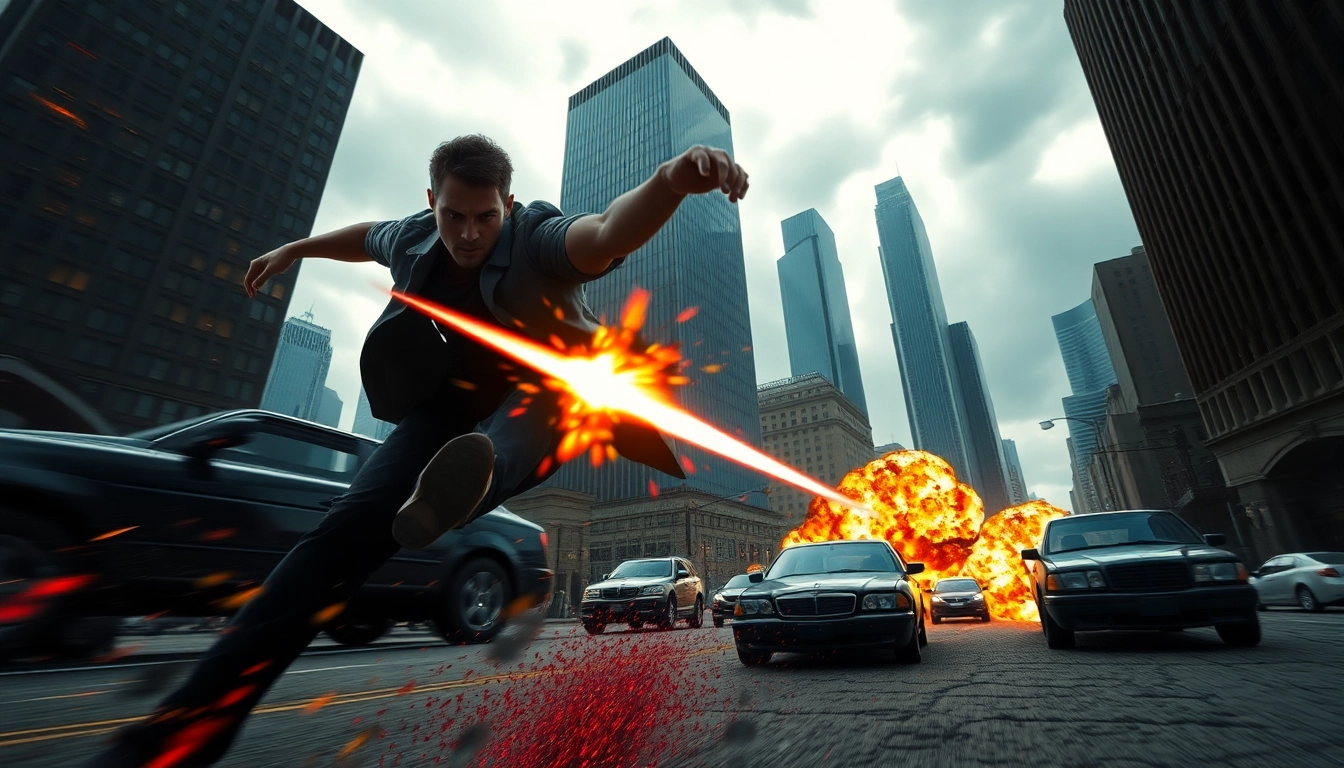
Understanding the Action Thriller Genre
The action thriller genre is an electrifying blend of fast-paced excitement and suspenseful storytelling, captivating audiences and keeping them on the edge of their seats. Characterized by intense physical activity, heart-racing plots, and often, a touch of psychological tension, the Action thriller genre pushes the boundaries of excitement while exploring complex character dynamics and moral dilemmas. In this article, we will delve into what defines an action thriller, its historical evolution, and the key elements that make up compelling narratives within this genre.
What Defines Action Thriller?
At the core of the action thriller genre lies a compelling dichotomy: the urgency of action and the tension of suspense. These films often feature high-stakes situations, where protagonists find themselves in terrifying predicaments, necessitating quick thinking, impressive physical prowess, and sometimes, a shallow moral compass. The thrill comes not just from the action sequences, but also from the narrative tension – the “what ifs” and the looming potential for disaster.
Typically, action thrillers contain the following defining characteristics:
- Fast Pacing: Action sequences are usually interspersed with gripping dialogue, keeping the momentum high.
- Clear Stakes: The stakes are usually life-and-death, impacting not just the protagonist but often a larger context such as society or the world.
- Protagonist vs. Antagonist: A clear conflict between the hero (often a reluctant one) and a formidable antagonist fuels the narrative drive.
- Suspenseful Plots: Twists and turns abound, often keeping viewers guessing until the end.
Historical Evolution of Action Thriller
The action thriller genre has evolved significantly over the decades, beginning with the silent films of the early 20th century that set the stage for thrilling visuals and overarching tension. Films such as “The Perils of Pauline” (1914) showcased cliffhangers that became a staple of the genre. The advent of sound and color further enhanced visual storytelling, leading to classics like “North by Northwest” (1959) directed by Alfred Hitchcock, which set the standard for modern thrillers.
The 1980s and 1990s saw the emergence of blockbuster franchises like “Die Hard” and “Lethal Weapon,” which combined action with humor and iconic characters. This laid the groundwork for the contemporary action thrillers we see today, characterized by high production values and a blend of technology and human conflict. As technology has advanced, filmmakers have incorporated sophisticated special effects, creating more visually stunning sequences while simultaneously exploring deeper emotional themes.
Key Elements of Action Thriller Narratives
What sets action thrillers apart is their unique narrative structure and the integration of essential elements:
- Complex Characters: Thrillers often feature multi-dimensional characters whose motivations and backstories add depth to the storyline.
- Conflict: Central conflict is crucial, whether internal (within the protagonist) or external (between characters or between society and an individual).
- Settings: The settings range from urban landscapes to remote locations, contributing to the sense of isolation or urgency.
- Cliffhangers: Action thrillers regularly employ cliffhangers that enhance engagement and anticipation, urging viewers to sit on the edge of their seats.
Top Action Thriller Films You Can’t Miss
Must-Watch Classics in Action Thriller
The action thriller genre is replete with seminal films that have not only defined the genre but have set cinematic benchmarks. Here are some classics that are essential viewing:
- Die Hard (1988): This film stars Bruce Willis as John McClane, a New York cop who takes on terrorists in a Los Angeles skyscraper. Its perfect blend of action, suspense, and humor has made it a quintessential film in the action thriller canon.
- Se7en (1995): Directed by David Fincher, this film follows two detectives on the trail of a serial killer who uses the seven deadly sins as his modus operandi. The unsettling atmosphere and psychological depth elevate it beyond traditional action films.
- The Bourne Identity (2002): Matt Damon stars as Jason Bourne, a man suffering from amnesia who must uncover his identity while evading assassins. This film modernized the action thriller genre with its realistic portrayals of combat and espionage.
Emerging Trends in Action Thriller Cinema
In recent years, the action thriller genre has also seen the incorporation of various societal themes. Filmmakers are increasingly exploring topics such as cyber-terrorism, environmental issues, and globalization. Films like “Sicario” (2015), which explores the drug war on the US-Mexico border, exemplify this trend, as they weave complex narratives around contemporary issues.
Moreover, the rise of streaming platforms has transformed how audiences consume action thrillers, leading to a surge in original content and diverse storytelling styles. International filmmakers like those behind “Money Heist” and other foreign action thrillers are captivating audiences, showcasing that the genre’s appeal transcends cultural boundaries.
Best-Rated Action Thriller Movies of the Decade
As we continue into the 2020s, a plethora of action thrillers have received critical acclaim and box office success. These recent offerings not only excite audiences but also bring innovative storytelling techniques and complex characters into play. Key titles include:
- Mad Max: Fury Road (2015): This high-octane film redefined the action genre with its relentless pacing and stunning visuals, affirming that thrillers could also be groundbreaking in their cinematic approaches.
- John Wick (2014): Keanu Reeves redefined action heroes with his portrayal of a retired assassin seeking vengeance, establishing a franchise that combines exceptional choreography with emotional depth.
- Tenet (2020): Christopher Nolan’s mind-bending take on time manipulation unfolds like a traditional action thriller while also inviting deeper philosophical questions, showcasing the genre’s evolution.
Creating Your Own Action Thriller Story
Crafting a compelling action thriller involves a deep understanding of thematic elements, pacing, and character development. Below, we outline essential steps in designing your narrative.
Structuring an Engaging Action Thriller Plot
A well-structured plot is crucial for maintaining audience engagement. Most action thrillers follow a classic three-act structure:
- Act 1 – Setup: Introduce the protagonist and antagonist, setting up the conflict against a backdrop of rising tension.
- Act 2 – Confrontation: Explore the primary conflict while introducing twists, turns, and supporting characters. The stakes escalate here, drawing the audience further into the story.
- Act 3 – Resolution: Lead the narrative to a climax where issues are resolved, ideally with a satisfying twist or revelation that ties back to earlier story elements.
Balancing Characters and Action in Action Thriller
An engaging action thriller requires a delicate balance between developing character arcs and intense action sequences. Characters need to evolve—facing moral dilemmas or personal challenges adds layers that can lead to more authentic emotional engagement from the audience.
Consider implementing character-driven moments amidst action scenes. This includes reflective pauses where characters confront their values or relationships, deepening the audience’s connection to their journey.
Writing Authentic Dialogue for Action Thriller
Dialogue in action thrillers should be sharp, concise, and impactful. Characters often face high-stakes interactions, requiring their dialogues to reflect urgency and tension. Use subtext in conversations to reveal character motivations without overtly stating them:
- Show, Don’t Tell: Rather than explaining their fear or anger directly, have your characters express it through action or subtle dialogue.
- Use Tension: Dialogue can heighten tension; short exchanges can convey urgency, particularly in moments of danger.
- Leverage Character Voice: Each character should have a distinct voice reflective of their background and personality, enhancing authenticity.
The Future of Action Thriller Entertainment
As the genre continues to evolve, it’s essential to consider how innovation and audience preferences will shape its future landscape. Technology plays a pivotal role in this transformation.
Innovations in Action Thriller Filmmaking
Innovations in film technology, from advanced CGI to VR filmmaking, are revolutionizing how action thrillers are produced and perceived. Filmmakers now have the capability to create incredible visuals that can immerse audiences within a narrative like never before. The seamless integration of practical effects and digital enhancements can breed excitement, pushing the boundaries of what’s visually possible.
Furthermore, the incorporation of augmented reality experiences can expand storytelling beyond the screen, inviting audiences to engage with narratives in more interactive and immersive ways.
How Technology is Shaping Action Thriller Experiences
Technology has not only changed production techniques but also influenced the ways audiences consume action thrillers. With the rise of streaming services, fans can now access a vast array of content at their convenience. This shift has led filmmakers to experiment with shorter formats, episodic storytelling, and interactive plots that respond to viewer choices.
As audiences gain the ability to curate their viewing experiences, the demand for diverse narratives within the action thriller genre is steadily increasing. This can lead to more unique storytelling and representation in character choices and themes explored.
Audience Preferences in Modern Action Thriller
Audiences today have discerning tastes, often gravitating towards stories that reflect their realities or provide escape in thought-provoking ways. There is a growing appreciation for complex characters and stories that delve into significant themes, such as justice, moral ambiguity, and personal sacrifice.
Filmmakers must be attuned to the cultural context in which their narratives resonate, as viewers seek authenticity and relevance in their viewing experiences. The modern action thriller must adapt to these preferences to remain engaging and impactful.
Analyzing Audience Reception of Action Thriller
Understanding how audiences receive and respond to action thrillers is essential for creators aiming to connect with viewers meaningfully. Reception can often be gauged through box office performance, critical reviews, and audience feedback.
Box Office Success of Action Thriller Franchises
Box office performance provides a clear indicator of audience engagement with action thrillers. Franchises like “Mission: Impossible” and “Fast & Furious” demonstrate how well-crafted narratives, star power, and clever marketing can garner substantial financial returns. Each new installment builds upon the success of its predecessors, often expanding the storyline and deepening character arcs.
Box office data can be analyzed to understand trends, revealing which themes resonate most with viewers, shaping future productions accordingly.
Critical Acclaim for Action Thriller Works
Critical response remains a crucial aspect of understanding the genre’s impact. Films that successfully balance action with strong narratives often receive accolades, which can enhance their prestige and association with the genre.
Analyzing reviews from film critics provides insight into what aspects of action thrillers resonate with audiences, whether it be narrative complexity, character development, or innovative production techniques.
Fan Cultures Surrounding Action Thriller Genres
Fan communities act as a barometer for the ongoing popularity and cultural relevance of action thrillers. From cosplay at film festivals to online forums discussing plot details, fans actively engage with the content they love, sharing theories, critiques, and personal connections to the narratives.
As social media continues to flourish, these communities have significant influence, shaping public perception and contributing to a broader cultural dialogue around action thrilling cinema.