
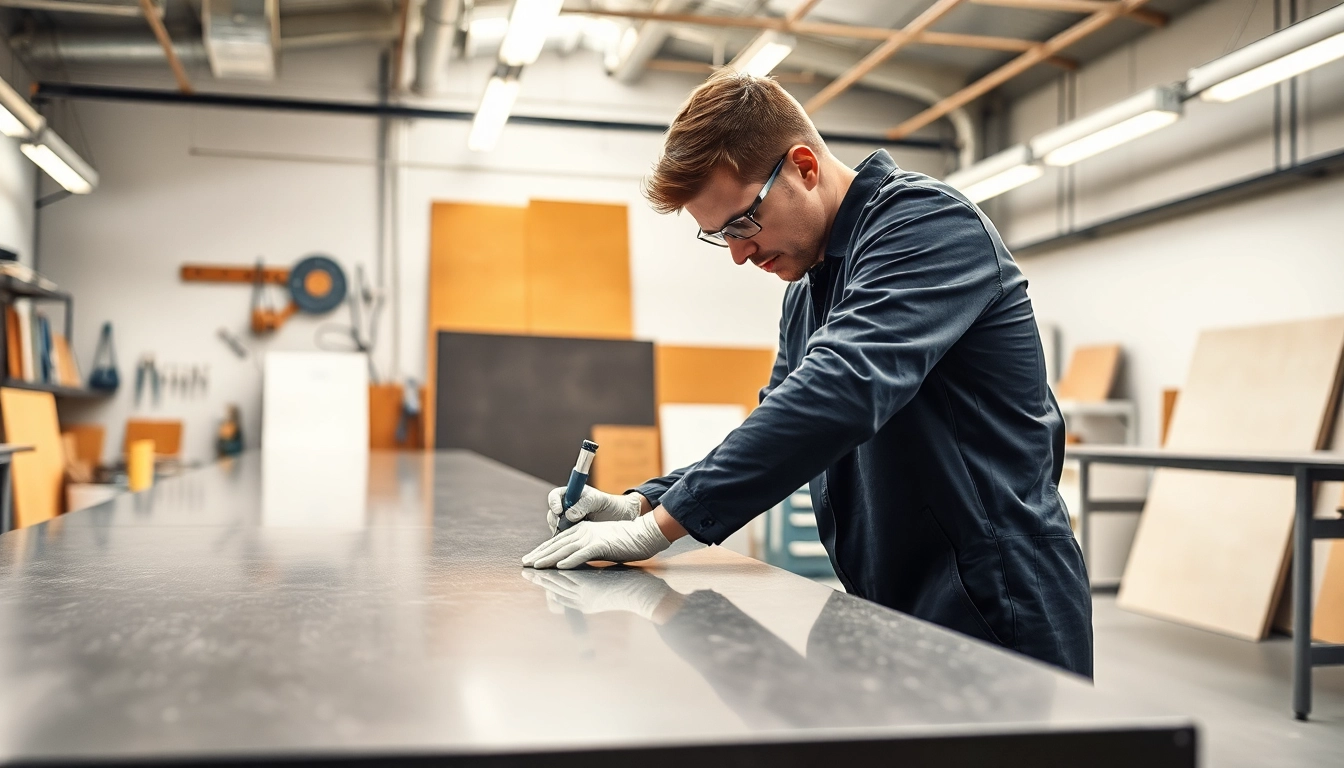
Understanding Surfacing Solutions
In the realm of construction and design, the importance of surfacing solutions cannot be overstated. These solutions encompass a variety of materials and techniques that enhance the functionality and aesthetic appeal of surfaces. In a world where first impressions matter, choosing the right surfacing solution is pivotal to the success of any project, whether residential, commercial, or industrial.
What are Surfacing Solutions?
Surfacing solutions refer to a broad category of materials and finishing techniques that provide protective, aesthetic, and functional enhancements to various surfaces. These solutions can be applied to floors, walls, driveways, and other surfaces to improve their durability, ease of maintenance, and look. Commonly used in both interior and exterior applications, surfacing solutions play a crucial role in meeting the specific needs of different projects, requiring careful selection based on material properties, application methods, and environmental conditions.
Types of Surfacing Solutions Available
When it comes to surfacing solutions, the options are plentiful. They can be categorized based on material, application method, and functional use. Below are some of the most common types:
- Concrete Overlays: These are thin layers applied over existing concrete to renew the surface or add decorative elements. They are ideal for restoring old driveways or patios.
- Resin Bound Surfaces: Made from a mixture of resin and aggregate, these surfaces are porous and are perfect for driveways and pathways. They offer a high degree of customization in color and texture.
- Epoxy Flooring: Known for its high durability and resistance to chemicals, epoxy is commonly used in commercial settings like warehouses and garages.
- Paving Stones: These adaptable stones can enhance outdoor aesthetics and are often employed for walkways, driveways, and patios due to their durability.
- Thermal Spray Coatings: Utilized primarily for industrial applications, these coatings protect surfaces from extreme temperatures and corrosion.
Key Benefits of Using Surfacing Solutions
Utilizing surfacing solutions brings forth numerous advantages that can greatly impact the longevity and appearance of surfaces:
- Durability: Most surfacing solutions are designed to withstand wear and tear over time, providing long-lasting performance.
- Aesthetic Appeal: Customized designs allow for personalization, enhancing the visual appeal of any space.
- Improved Safety: Non-slip surface options can reduce the risk of accidents in high-traffic areas.
- Cost-Effective: Many surfacing solutions can extend the life of existing surfaces, reducing the need for costly replacements.
- Easy Maintenance: Most modern surfacing solutions require minimal upkeep, streamlining maintenance processes.
Choosing the Right Surfacing Solution for Your Needs
Selecting the appropriate surfacing solution is pivotal for achieving desired outcomes within a project. Understanding the project’s specific requirements and environmental conditions can significantly influence this decision.
Factors to Consider Before Selection
Before settling on a surfacing solution, consider several critical factors:
- Material Compatibility: Ensure the chosen surfacing material works well with the underlying surface and adheres properly.
- Project Purpose: Identify the primary use of the surface—will it bear heavy loads, or is it purely aesthetic?
- Cost: Different surfacing solutions come with varying price points. Assess your budget effectively before making a decision.
- Durability Requirements: Consider the amount of traffic the surface will experience and choose accordingly.
- Environmental Impact: Choose solutions that are sustainable and environmentally friendly, prioritizing materials with lower ecological footprints.
Comparing Materials and Techniques
With various surfacing solutions available, comparing materials and techniques can help determine which is best suited for your project. For instance, while concrete overlays can restore existing surfaces economically, resin-bound surfaces offer both durability and aesthetic variation. Additionally, the application technique plays a role; traditional paving might involve more labor and higher costs compared to epoxy flooring installations.
Aligning Innovative Surfacing with Project Goals
For successful project completion, it’s essential to align your surfacing solutions with overall project goals. Whether seeking sustainability, aesthetics, or functionality, understanding how different surfacing solutions can meet these objectives is crucial. For example, if energy efficiency is a goal, you may want to look into reflective surfaces that reduce heat absorption.
Implementation of Surfacing Solutions
The process of implementing surfacing solutions can vary significantly based on the type of material and project requirements. However, a structured approach can facilitate a smooth execution.
Step-by-Step Guide to Application
Here’s a general step-by-step guide for applying a surfacing solution:
- Preparation: Clean and repair the underlying surface. Debris and cracks can impact adhesion and overall quality.
- Material Selection: Choose the specific surfacing material that meets your needs, factoring in all discussed considerations.
- Installation: Follow material-specific application instructions. For example, resin-bound surfaces may require a specific mixing ratio for optimal performance.
- Curing: Allow the surface to cure properly. Curing times can differ based on environmental conditions and material properties.
- Final Touches: Add any necessary sealing or finishing treatments to protect the surface and enhance aesthetics.
Common Challenges and Solutions
Even with the best planning, challenges may arise during the application of surfacing solutions:
- Adhesion Issues: Can often be resolved by ensuring proper surface preparation and selecting appropriate adhesive solutions.
- Cracking: This could indicate improper installation or environmental stressors. Assess the installation for flaws and consider reinforcing the structure.
- Moisture Problems: Ensure surfaces are adequately dried before application, especially in humid climates.
Professional vs. DIY Application: What to Choose?
Choosing between professional application and a DIY approach depends on project complexity. While simple projects may be manageable for DIY enthusiasts, complexities involving intricate designs or specialized materials are best left to professionals. Hiring an expert ensures quality workmanship, adherence to regulations, and often a shorter completion time.
Maintaining Your Surfacing Solutions
Proper maintenance is essential for maximizing the lifespan of your surfacing solutions. Regular upkeep can help avoid costly repairs and ensure aesthetic appeal over time.
Best Practices for Longevity
To ensure a long lifespan for your surfacing solution, adopt best maintenance practices, such as:
- Regular cleaning to remove dirt and debris that can cause wear.
- Implementing sealants as needed to protect against moisture and chemicals.
- Conducting periodic inspections for early detection of cracks or wear.
Post-Installation Care Tips
After installation, specific care tips can enhance the performance and longevity of surfacing solutions. Avoid heavy traffic on the surface for the first few days, ensure that any curing recommendations are followed, and regularly assess the condition of the surface for emerging needs.
Troubleshooting Common Issues
Even with careful maintenance, issues can occur. Common concerns might include:
- Staining: Use appropriate cleaning products suited for the specific material to address stains quickly.
- Surface Wear: Reapplication of sealants can help mitigate further wear on higher traffic areas.
- Pooling Water: Ensure drainage is functioning effectively and consider resurfacing areas with slope issues.
The Future of Surfacing Solutions
As technology evolves, the surfacing industry is witnessing transformative shifts driven by innovation and sustainability demands. Understanding these changes is key to staying relevant.
Emerging Trends in Surfacing Technology
Several trends are shaping the future of surfacing solutions:
- Sustainable Materials: Growing consumer awareness is pushing for more environmentally friendly options, such as recycled materials.
- Smart Surfaces: Technological advancements are leading to the integration of smart functions into surfacing materials, such as temperature regulation.
- Digital Customization: Enhanced design software allows for greater customization options in surfacing patterns and finishes.
Consumer Preferences and Sustainability
Modern consumers increasingly prioritize sustainability in their material choices. Companies that adopt eco-friendly practices and transparent sourcing can meet this growing demand and attract environmentally conscious clients.
How to Stay Ahead in the Surfacing Market
To remain competitive, businesses must evolve and embrace innovation. This includes adopting new technologies, investing in research and development, and keeping abreast of consumer trends and preferences. Educating clients about benefits and sustainability can also create a competitive edge.
Frequently Asked Questions
What are surfacing solutions?
Surfacing solutions refer to materials and techniques used to create or enhance surfaces, providing durability and aesthetic appeal.
What factors should be considered when choosing surfacing solutions?
Consider material compatibility, project purpose, cost, durability, and environmental impact to select the best surfacing solution.
Can surfacing solutions be applied DIY?
Yes, but professional application is recommended for complex projects to ensure quality and proper handling of materials, ensuring lasting results.
What maintenance do surfacing solutions require?
Regular cleaning, inspections, and prompt repairs of any damage can greatly extend the life of surfacing solutions and maximize their effectiveness.
What trends are shaping the future of surfacing solutions?
Sustainable materials, digital customization, and advanced technology are key trends affecting consumer demands and preferences in the surfacing industry.