
- The Importance of Choosing a Reliable New Jersey Commercial General Contractor
- Key Services Offered by New Jersey Commercial General Contractors
- Challenges Faced in Commercial Construction in New Jersey
- Best Practices for Hiring a New Jersey Commercial General Contractor
- Measuring Success: Key Performance Indicators for Commercial Projects
The Importance of Choosing a Reliable New Jersey Commercial General Contractor
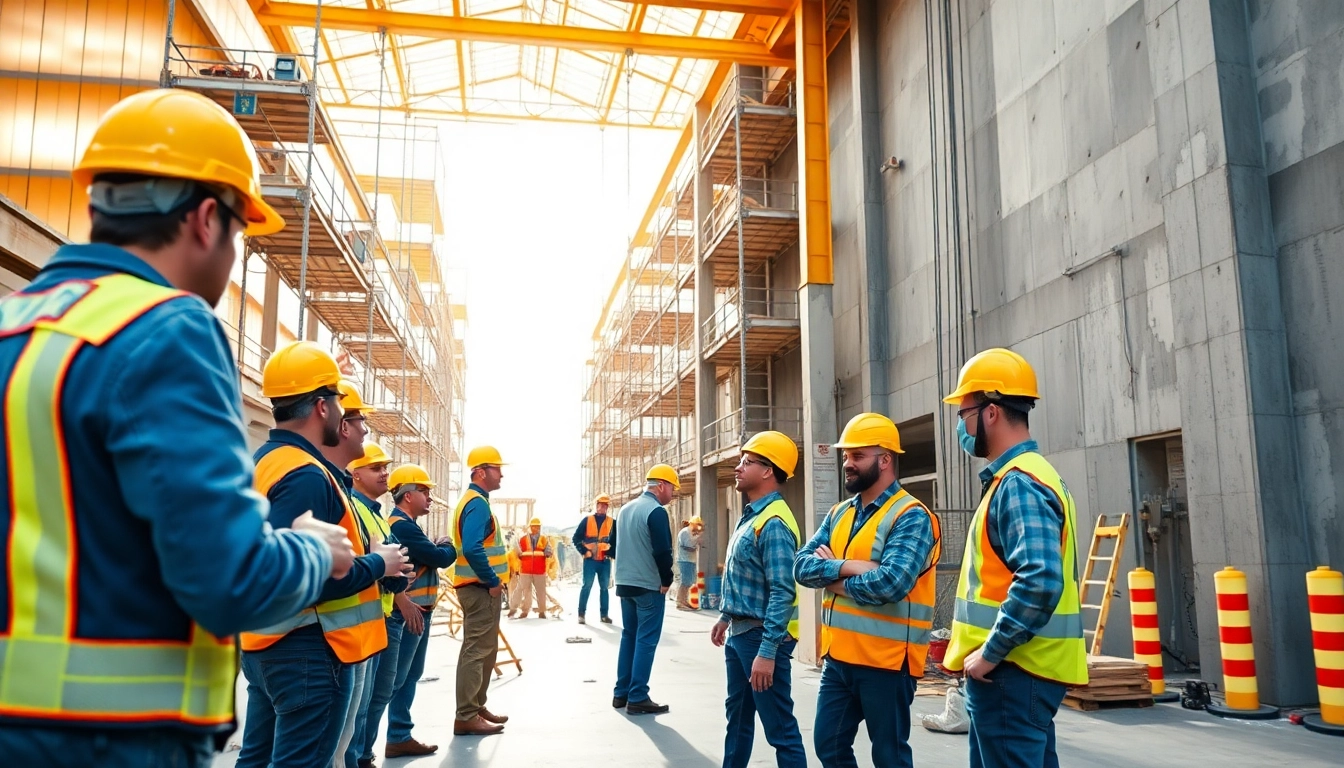
In the realm of construction, whether for new constructions or renovations, selecting a reliable New Jersey Commercial General Contractor can be the ultimate difference between success and failure. The complexity of commercial projects necessitates expertise, strategic planning, and problem-solving abilities. With the right contractor at the helm, projects can not only meet expectations but can also be executed efficiently, effectively, and creatively, navigating the unique challenges posed by New Jersey’s construction landscape.
Understanding the Scope of Work
The scope of work is a critical foundation for any construction project, defining the specific tasks, timelines, and deliverables expected from the contractor. This foundation helps ensure everyone involved in the project—from the client to subcontractors—clearly understands their roles. Engaging a skilled New Jersey commercial general contractor will include a detailed scope of work that aligns with your vision and needs, ensuring that all aspects of the project, from materials to schedules, are addressed upfront. A well-drafted scope can also provide a vital reference point for resolving disputes that may arise during the project.
Evaluating Credentials and Experience
When assessing potential contractors, it is crucial to evaluate their credentials and experience. Check for necessary licensing, insurance, and bonding requirements mandated in New Jersey. A qualified contractor should also have a strong portfolio that illustrates their capabilities, especially in handling projects similar to yours. Beyond formal qualifications, experience can manifest itself in a contractor’s ability to troubleshoot problems, manage diverse teams, and adhere to timelines, making it invaluable in your decision-making process.
Why Communication Matters
Crisp, clear communication is one of the hallmark traits of an effective contractor. Regular updates, prompt feedback, and the willingness to address concerns can significantly enhance your project’s success rate. A contractor who prioritizes communication helps to establish a productive collaborative environment, ensuring you stay aligned with project developments and any unexpected changes—thus minimizing delays and budget overruns.
Key Services Offered by New Jersey Commercial General Contractors
Construction Management and Coordination
Construction management goes beyond basic contractor duties, encompassing the organization, planning, and coordination of all necessary components for a successful project. General contractors in New Jersey are adept at managing schedules, budgets, and resources, ensuring everything runs smoothly from concept to completion. Their role often includes overseeing subcontractors, securing necessary permits, and liaising with regulatory bodies, freeing you to focus on your core business operations.
Design-Build Services for Seamless Execution
The design-build approach consolidates design and construction under one roof, streamlining processes and enhancing collaboration. This integrated approach allows for better communication and faster project delivery, minimizing the risks of miscommunication or design alterations mid-construction. New Jersey commercial contractors who offer design-build services possess the expertise required to harmonize aesthetics and functionality, resulting in a project that meets both your vision and the practical needs of the space.
Renovation and Remodeling Expertise
Commercial renovation projects demand a careful blend of creativity and structural integrity, regardless of the space being transformed. Experienced contractors will navigate challenges ranging from outdated infrastructure to constrained spaces while revitalizing your property. Their ability to evaluate existing conditions, complete necessary upgrades, and maintain compliance with local regulations ensures not just a stunning transformation, but also a functional one that aligns with your business goals.
Challenges Faced in Commercial Construction in New Jersey
Adapting to Local Regulations and Codes
New Jersey’s diverse municipalities impose varying rules and regulations governing construction practices. These regulations can present significant challenges for contractors, especially if they are not well-versed in local laws. A knowledgeable New Jersey commercial general contractor will possess in-depth understanding of the building codes, zoning laws, and environmental requirements necessary to navigate these complexities. Their expertise helps ensure compliance, reduces the risks of delays, and safeguards your investment against legal liabilities.
Managing Project Timelines and Deadlines
Adhering to project timelines is a universal challenge in construction, often complicated by unexpected setbacks like weather, supply chain delays, and labor shortages. Effective contractors employ robust project management strategies to anticipate potential hurdles, forecast timelines realistically, and maintain progress toward established deadlines. Leveraging scheduling tools, predictive analytics, and skilled personnel, they can keep your project on track, minimizing disruptions and ensuring timely delivery.
Dealing with Budget Constraints Effectively
The financial aspect of construction projects is paramount. Budgets can be derailed due to unforeseen costs or lack of foresight in the planning stages. A reliable contractor will provide transparent pricing, offer strategic advice on budget allocations, and actively seek to balance quality with cost-effectiveness. By closely monitoring expenses throughout the construction process, they help ensure that your project remains financially viable and aligned with your fiscal expectations.
Best Practices for Hiring a New Jersey Commercial General Contractor
Conducting Thorough Interviews
When considering potential contractors, conducting thorough interviews can yield insights that online research alone cannot provide. Prepare a list of questions that address their experience, project management practices, and teamwork philosophies. Open-ended inquiries can reveal a contractor’s problem-solving capabilities and adaptability to challenges, two vital traits in managing successful construction projects.
Checking References and Previous Projects
A reputable contractor should readily provide references and a portfolio of completed projects. Take the time to contact previous clients to gain insight into the contractor’s working style, reliability, and satisfaction levels. Don’t hesitate to visit completed projects if possible, as these visits can showcase the contractor’s workmanship and attention to detail, offering examples of how they handle challenges in practical contexts.
Negotiating Contracts for Clear Expectations
Once you’ve identified a suitable contractor, the negotiation of a comprehensive contract is crucial. A well-drafted contract details every aspect of the project, covering timelines, budgets, deliverables, and penalties for non-compliance. This legal safeguard helps manage expectations and reduces the likelihood of disputes, providing both parties with clear guidelines and a framework for collaboration.
Measuring Success: Key Performance Indicators for Commercial Projects
Staying on Schedule: Timeliness Metrics
Timeliness is a vital metric for assessing the success of a construction project. Successful contractors employ various methodologies, such as Gantt charts or Critical Path Method (CPM), to track progress against established schedules. Regular progress reports can reveal any delays and prompt corrective actions, ensuring that the project stays on track and meets or exceeds deadlines.
Budget Adherence and Cost Management
Budget adherence is crucial for gauge the financial viability of any construction project. Successful contractors closely monitor expenditures, tracking variances from the original budget, and implementing cost-control measures as necessary. Attention to this metric influences overall project profitability and client satisfaction, securing not just short-term success, but long-term client relationships.
Quality of Work and Client Satisfaction Rates
The quality of work delivered is often the ultimate indicator of success in commercial construction. Solicit feedback from clients at various project stages to gauge satisfaction and areas for potential improvement. Establishing a culture focused on quality ensures that all work adheres to high standards, maintaining not just structural integrity but also enhancing aesthetics and functionality.