Understanding Residential Heating and Cooling Systems
Residential heating and cooling systems play an essential role in maintaining a comfortable indoor environment. These systems ensure your home remains a haven, regardless of the weather outside. A comprehensive understanding of how these systems operate, their components, and how to select the right one for your home is critical. Notably, making informed decisions involves knowing when to upgrade or maintain your system and implementing energy-efficient practices. By gaining this knowledge, homeowners can not only enhance comfort but also optimize energy use. For more insights into residential heating and cooling, let’s explore each facet in detail.
Components of Heating and Cooling Systems
Residential heating and cooling systems consist of several vital components, each serving a specific function in maintaining temperature control. Major components include:
- Furnace: The furnace is responsible for generating heat. It may use fuel sources such as gas, oil, or electricity to warm air that is then circulated throughout the home.
- Air Conditioner: An air conditioner cools the air inside the home by removing heat and humidity. It typically consists of an indoor unit and an outdoor condenser.
- Heat Pump: A heat pump functions as both a heating and cooling device. It transfers heat rather than generating it, making it an energy-efficient option.
- Ductwork: Ducts distribute heated or cooled air from the furnace or air conditioner to various rooms. Properly sealed and insulated ducts ensure efficient airflow.
- Thermostat: The thermostat regulates the temperature by signaling the system to turn on or off according to the set temperature.
- Filters: Air filters trap dust, allergens, and debris from the air, contributing to improved indoor air quality.
How Heating and Cooling Works
The operational mechanics of heating and cooling systems involve a fundamental understanding of thermodynamics. Here’s a brief overview of how each system functions:
Heating Mechanics
In heating systems, when the thermostat detects a drop in temperature, it signals the furnace to ignite and heat the air. The heat exchanger in the furnace warms the air, which is then pushed through the ductwork into various rooms. Modern systems often include zoning features that allow different areas to have individual temperature settings.
Cooling Mechanics
Cooling systems operate on a cycle of evaporation and condensation. The air conditioner absorbs indoor heat and expels it outside. The refrigerant within the air conditioner changes state from liquid to gas, facilitating this heat transfer. The evaporator coil cools the air, which is then distributed indoors, lowering the room temperature.
Choosing the Right System for Your Home
Selecting the right heating and cooling system involves considering several factors:
- Home Size: Larger homes may require more powerful systems or multiple units to maintain temperature efficiently.
- Climate: The local climate influences the type of system that’s most effective. In colder climates, a furnace may be more practical, while warmer regions might benefit from heat pumps.
- Fuel Availability: Your choice may also depend on the availability of natural gas, electricity, or other fuel types.
- Budget: Assess both upfront costs and long-term operational costs to determine what fits your budget without compromising comfort.
Common Issues in Residential Heating and Cooling
While residential heating and cooling systems are designed for efficiency, they can encounter various issues over time. Being aware of common problems and their symptoms can lead to timely interventions, preventing costly repairs.
Identifying Common Problems
Here are some frequent problems homeowners may face:
- Ineffective Heating or Cooling: If certain rooms are not reaching the desired temperature, it can indicate issues with the ductwork or air filters.
- Strange Noises: Unusual sounds from the furnace or air conditioner often signal mechanical problems that may need professional attention.
- Increased Energy Bills: A sudden spike in energy costs might suggest inefficient operation, requiring a thorough system check.
- Foul Odors: Musty or burning smells can indicate problems such as dirty filters or electrical issues that require urgent action.
Troubleshooting Steps
Before calling a professional, homeowners can take several troubleshooting steps:
- Check the thermostat settings and ensure it’s functioning correctly.
- Inspect and replace air filters if they are clogged or dirty.
- Ensure all registers and vents are unobstructed to allow for proper airflow.
- Look for visible blockages in ducts and remove any debris.
When to Call a Professional
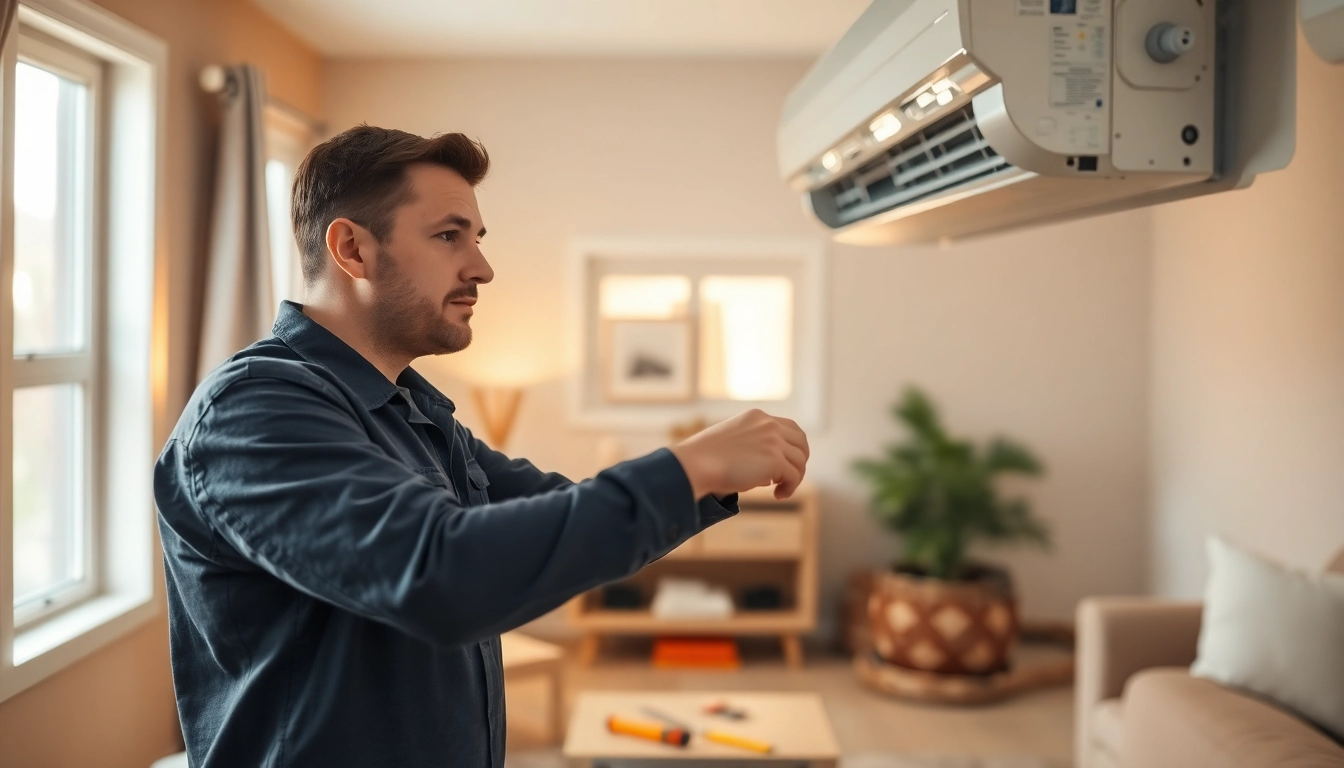
If basic troubleshooting doesn’t resolve the issue, or if you notice alarming signs such as leaks or unexplained noises, it’s time to contact a professional HVAC technician. Their expertise can help identify and fix complex issues safely, ensuring the system operates efficiently without endangering home safety.
Energy Efficiency in Residential Heating and Cooling
Improving energy efficiency is not only financially beneficial but also environmentally responsible. Understanding how to evaluate and enhance the efficiency of your heating and cooling systems is crucial for every homeowner.
Understanding SEER Ratings
SEER, or Seasonal Energy Efficiency Ratio, is a crucial metric for air conditioning units. It measures a unit’s cooling output during a designated season divided by its energy input. The higher the SEER rating, the more energy-efficient the system. When selecting a new air conditioning unit, aim for models with a SEER rating of 14 or higher for optimal efficiency.
Tips for Improving Energy Efficiency
To enhance energy efficiency in residential heating and cooling, consider implementing the following tips:
- Regular Maintenance: Schedule annual maintenance checks to ensure systems operate at peak efficiency.
- Upgrade Thermostats: Investing in smart thermostats can help manage energy use effectively, as they adapt to your schedule.
- Insulate and Seal: Improve home insulation and seal windows and doors to minimize heating and cooling losses.
- Use Ceiling Fans: Ceiling fans help distribute air evenly, reducing reliance on heating or cooling systems.
The Importance of Regular Maintenance
Regular maintenance is critical for extending the life of heating and cooling systems and ensuring they operate efficiently. Routine checks can identify issues before they escalate into more significant problems, and regular filter replacement improves air quality and system efficiency. Homeowners should work with professionals to schedule yearly tune-ups as part of their maintenance plan.
Upgrading Your Residential Heating and Cooling System
As technology advances and energy efficiency standards increase, homeowners may find it beneficial to upgrade their heating and cooling systems. While it can be a significant investment, the long-term benefits often outweigh the initial costs.
Signs You Need an Upgrade
Several indicators may suggest it’s time to upgrade your heating and cooling system:
- Age of Equipment: If your system is over 10 to 15 years old, it may be less efficient and more prone to failures.
- Frequent Repairs: An uptick in repair frequency usually indicates that replacement is more economical than continuing to maintain an aging system.
- Higher Energy Costs: If your utility bills continue to rise with no change in usage, it may be time for an upgrade.
- Environmental Concerns: Modern systems are designed to be more eco-friendly, making them a wise choice for reducing your carbon footprint.
Choosing Energy-Efficient Options
When upgrading your heating and cooling system, consider energy-efficient options that have high SEER ratings and Energy Star certifications. These systems not only reduce monthly utility bills but may also qualify for rebates and incentives. Look for dual-fuel systems that offer both heating and air conditioning while allowing for the most efficient energy use depending on the season.
Financial Incentives for Upgrades
Many utilities and governmental programs provide financial incentives for upgrading to energy-efficient systems. Homeowners should explore available rebates, tax credits, or financing options that can make the cost of new installations more manageable. By taking advantage of these opportunities, homeowners can reduce the net cost of upgrading their systems significantly.
Frequently Asked Questions about Residential Heating and Cooling
What are the signs of a malfunctioning system?
Signs include inconsistent temperatures, unusual noises, and increased energy bills. Check filters and consider calling a professional if problems persist.
How often should I service my heating and cooling?
It’s recommended to service HVAC systems at least once a year. Consider scheduling service before each heating and cooling season to ensure optimal performance.
What is the best temperature to set my thermostat?
A general guideline is 68°F in winter and 75°F in summer. Adjust according to comfort, but small changes can lead to significant energy savings.
How can I lower my heating and cooling costs?
Lower costs by improving insulation, using programmable thermostats, sealing ducts, and performing regular maintenance to keep systems operating efficiently.
When should I consider replacing my HVAC system?
Consider replacement if your system is over 15 years old, requires frequent repairs, or if your energy costs are increasing significantly with no change in usage.