Understanding Construction Safety Training
Construction safety training is a critical component in ensuring the safety and well-being of workers on job sites. With the inherent risks associated with construction work, effective training programs help mitigate hazards and promote a culture of safety. A well-structured construction safety training program can greatly reduce accidents and improve overall job site conditions.
The Importance of Safety in Construction
The construction industry is known for its inherently dangerous environment. According to the Occupational Safety and Health Administration (OSHA), construction consistently ranks as one of the most hazardous sectors due to factors such as working with heavy machinery, working from heights, and exposure to hazardous materials. In 2019, there were over 1,000 fatalities in construction-related incidents in the United States alone.
Implementing comprehensive safety training programs is not just beneficial but necessary for reducing fatalities and injuries. Safety training fosters awareness among workers about potential hazards, teaching them proper handling techniques and emergency protocols. Furthermore, investing in safety training can lead to cost savings through reduced insurance premiums and lower workers’ compensation claims.
Key Components of Effective Training
An effective construction safety training program should cover various crucial components, including:
- Hazard Recognition: Training should emphasize recognizing potential hazards on site, including chemical, physical, and biological hazards.
- Proper Use of Personal Protective Equipment (PPE): Workers need to be trained on selecting, maintaining, and effectively using PPE.
- Emergency Procedures: Employees should be familiar with emergency evacuation routes and procedures in case of an accident or natural disaster.
- Equipment Safety: Training should include proper operation techniques for machinery and tools to minimize risks.
Identifying Common Hazards in Construction
To effectively prevent accidents, it’s essential to identify common hazards present in construction environments. These can include:
- Falls: Workers in construction often work at heights, making falls one of the leading causes of injury.
- Struck-by Incidents: Tools and materials can fall from heights, injuring workers below.
- Electrocutions: Electrical hazards are common, especially when working with power tools and equipment.
- Caught-In or Between Hazards: These include situations where workers can be caught in machinery or between objects.
Best Practices for Construction Safety Training
Developing a Comprehensive Training Program
Creating a comprehensive training program involves understanding the specific needs of your worksite and the tasks your employees will perform. Begin by conducting a thorough risk assessment to identify the training needs associated with the unique hazards present on your job site. Tailor your training modules accordingly to ensure relevance and practical application.
Training should be structured to include a mix of classroom instruction and hands-on practice. This combination allows workers to learn theoretical concepts while practicing skills in real-world scenarios, making the training more effective and memorable.
Utilizing Experienced Instructors
Effective training relies heavily on the expertise of the instructor. Utilizing experienced trainers who understand the construction industry ensures that the information shared is accurate and relevant. Trainers should be well-versed in teaching methods that engage participants and facilitate learning.
Instructors with practical field experience can provide real-life examples of safety incidents and best practices, enhancing the learning experience. Consider involving safety professionals or OSHA-certified instructors to ensure a high standard of training.
Incorporating Interactive Learning Techniques
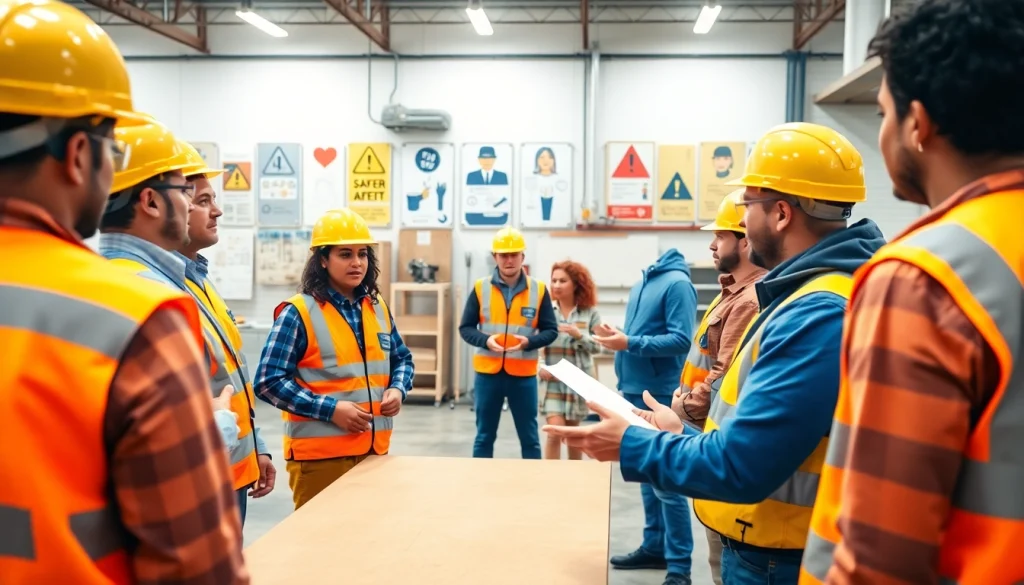
To enhance engagement and retention during training sessions, incorporate interactive learning methods. Techniques such as group discussions, role-playing scenarios, and hands-on demonstrations can significantly improve the learning experience. Utilizing technology, such as virtual reality or simulation software, can also provide immersive training experiences that allow workers to practice in a safe environment.
Additionally, gamification of safety training can motivate employees, providing incentives and rewards for participation and knowledge retention. This approach can lead to higher engagement rates and a stronger commitment to safety practices.
Implementing Construction Safety Training
Creating a Safety Training Schedule
Scheduling safety training sessions is pivotal in ensuring all employees receive the necessary training to perform their jobs safely. Create a comprehensive training calendar that accounts for new hires, refresher courses for existing employees, and ongoing updates in safety protocols. Regular training helps maintain a high level of awareness regarding safety practices among workers.
Consider aligning the training schedule with project timelines to ensure minimal disruption while maximizing participation. Providing training during onboarding for new employees sets a standard of safety compliance from the onset.
Tracking Employee Progress and Engagement
Effective tracking of employee training progress is crucial in ensuring compliance and safety on the job site. Implement a training management system to monitor participation, completion rates, and assessment scores. This data enables firms to identify areas needing improvement and recognize employees who demonstrate exceptional safety practices.
Regularly reviewing training outcomes and feedback helps adjust programs to align better with employee needs and address any gaps in knowledge or engagement.
Adapting Training to Specific Job Needs
Construction sites often vary significantly in terms of their specific hazards and job roles. It is vital to adapt safety training to cater to the unique requirements of different job functions. For example, training for a crane operator should focus primarily on hazards related to lifting operations, whereas a site cleanliness crew may require training on chemical handling and waste disposal.
By tailoring training programs to job-specific responsibilities and risks, employers can ensure that workers are better prepared to handle workplace hazards effectively, thereby promoting a safer working environment.
Evaluating the Effectiveness of Training Programs
Setting Clear Performance Metrics
To assess the effectiveness of safety training programs, establish clear performance metrics that correspond with organizational safety goals. Metrics may include reductions in incident rates, changes in employee behavior, or improvements in safety audits. Regularly measuring these performance indicators can provide insights into the effectiveness of training efforts and inform necessary curriculum adjustments.
Conducting Post-Training Assessments
Conducting assessments after training sessions allows employers to gauge the knowledge retention of employees and the overall effectiveness of the program. These assessments should encompass both theoretical knowledge and practical skills, utilizing written tests, practical demonstrations, and observation methods. Such evaluations provide valuable feedback for continuous improvement of training programs.
Gathering Feedback from Participants
Participant feedback plays a crucial role in evaluating training effectiveness. Implementing anonymous surveys post-training enables workers to voice their opinions on the training experience and its applicability in their daily tasks. Feedback gathered should be analyzed to identify areas of strength and opportunities for enhancements in the training process.
Acting on feedback collected fosters a culture of continuous improvement and shows employees that their input is valued, promoting increased engagement in future training sessions.
Frequently Asked Questions about Construction Safety Training
What topics should be included in construction safety training?
Essential topics include hazard recognition, PPE usage, emergency protocols, equipment safety, and job-specific safety practices tailored to the construction environment.
How often should safety training be conducted?
Safety training should be conducted regularly, with initial training for new hires and refresher courses at least annually or whenever new hazards arise.
Who should lead the training sessions?
Training sessions should be led by experienced instructors, preferably with practical field experience or certifications from recognized safety organizations.
What is the best way to ensure engagement during training?
Incorporating interactive techniques such as discussions, hands-on activities, and practical demonstrations enhances engagement during training sessions.
What legal requirements exist for safety training in construction?
OSHA mandates that employers provide safety training relevant to hazards workers may encounter, including specific guidelines based on industry standards and job functions.