Understanding Vinyl Flooring Options
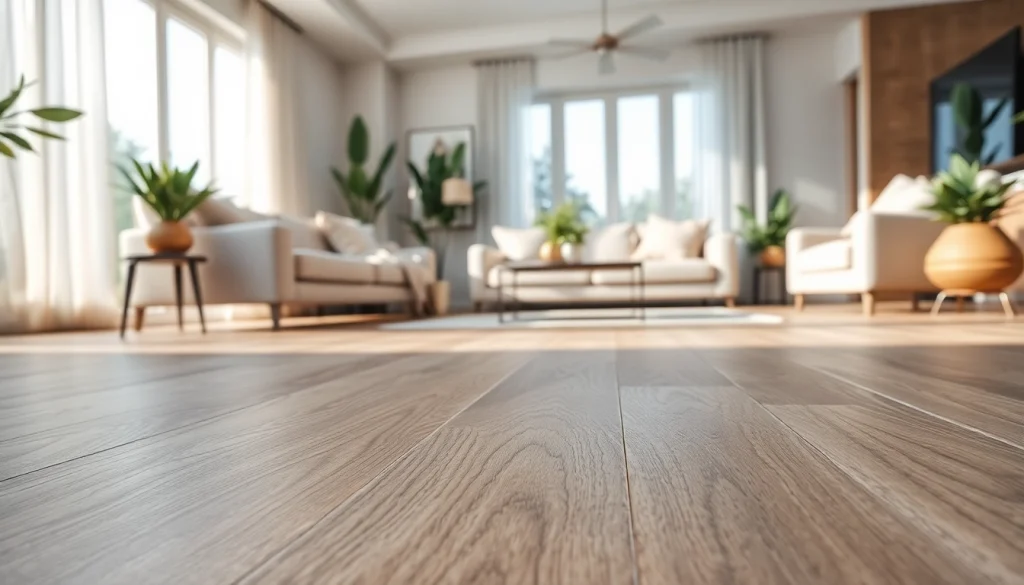
Vinyl flooring has surged in popularity for modern homes, thanks to its aesthetic appeal and practicality. With various options available, understanding these different types can help you make an informed decision that suits your lifestyle and interior design vision. From luxury vinyl planks to sheets, exploring these categories reveals how versatile vinyl flooring can be.
Types of Vinyl Flooring
Vinyl flooring comes in several varieties, each designed to cater to different needs and spaces. Here are the main types:
- Luxury Vinyl Plank (LVP): Resembling hardwood, LVP offers a realistic wood appearance, making it perfect for living areas and bedrooms.
- Luxury Vinyl Tile (LVT): This type mimics natural stone or ceramic tile, ideal for kitchens and bathrooms where style meets functionality.
- Vinyl Sheet Flooring: Known for its continuous surface, vinyl sheets are highly water-resistant, making them suitable for spaces prone to spills and moisture.
- Vinyl Composite Tile (VCT): Composed of a mix of natural and synthetic materials, VCT is budget-friendly and suitable for commercial spaces.
Key Features of Vinyl Flooring
Vinyl flooring provides several standout features. Its resilience against scratches and dents makes it a prime choice for high-traffic areas. Moreover, vinyl is available in various textures and colors, adapting to diverse decor styles. The ease of installation, often achievable as a DIY project, further enhances its appeal, while its noise-reducing properties create a comfortable environment.
Durability and Maintenance of Vinyl Flooring
Another major advantage of vinyl flooring lies in its durability. Most high-quality vinyl products can withstand daily wear and tear with minimal maintenance. Regular cleaning, consisting of sweeping and occasional mopping, is usually all that’s necessary to keep vinyl flooring looking its best. Additionally, many vinyl options are designed to be resistant to staining, aiding in long-term preservation.
Benefits of Vinyl Flooring for Your Space
The benefits of choosing vinyl flooring extend beyond just aesthetics and maintenance convenience. It combines cost-effective value with a range of functional advantages tailored for a variety of settings.
Cost-effectiveness of Vinyl Flooring
One of the most compelling reasons to choose vinyl flooring is its affordability. When compared to hardwood or tile, vinyl offers a more budget-friendly solution without sacrificing quality or style. Installation costs are typically lower as well, especially with options like click-lock vinyl that can be easily installed over existing floors, reducing labor expenses.
Design Versatility with Vinyl Flooring
Vinyl flooring offers nearly limitless design versatility. Available in an expansive range of patterns, colors, and styles, it can match any interior aesthetic—from rustic to modern chic. The digital printing technology used to create vinyl means that even intricate designs can be replicated, making it possible to express personal style effectively and affordably.
Comfort and Safety Features of Vinyl Flooring
In terms of comfort, vinyl flooring feels soft underfoot, providing a cushioned surface that’s pleasant to walk on. This makes it ideal for homes with children or the elderly. Furthermore, many vinyl options are engineered to be slip-resistant, boosting safety in wet areas like kitchens or bathrooms. This combination of comfort and safety is a significant consideration for family-oriented households.
Installation Process of Vinyl Flooring
The installation of vinyl flooring can often be a straightforward process, particularly for those who choose to undertake it as a DIY project. However, proper preparation and awareness of the installation steps can make a significant difference in the outcome.
Preparing Your Home for Vinyl Flooring
The first step before installation is to prepare the area thoroughly. This includes removing existing flooring and ensuring the subfloor is clean, dry, and level. Any imperfections on the subfloor can transfer to the vinyl above, potentially causing issues later on. Additionally, it’s essential to acclimate the vinyl in the room where it will be installed for at least 48 hours to mitigate expansion or contraction post-installation.
Step-by-Step Vinyl Flooring Installation Guide
- Clear and clean the installation area, removing old flooring.
- Ensure the subfloor is level and free of debris.
- Acclimate the vinyl flooring by allowing it to rest in the room for two days.
- If using adhesive, lay it out according to the manufacturer’s instructions.
- Install the vinyl planks or tiles, following a staggered pattern for aesthetics.
- Allow proper curing time for adhesive if applicable, before walking on the surface.
- Finish with trims and moldings to achieve a polished look.
Common Mistakes to Avoid During Installation
To ensure a successful installation, be aware of common pitfalls such as:
- Inadequate preparation of the subfloor, leading to an uneven surface.
- Not acclimating the vinyl, which can cause popping or buckling later.
- Neglecting the manufacturer’s guidelines for adhesive and installation techniques.
- Allowing moisture to linger in the installation area, which can damage vinyl products.
Maintaining Your Vinyl Flooring
Once vinyl flooring is installed, proper maintenance is vital to ensure its longevity and appearance. With the right care, you can maintain your flooring’s beauty for years to come.
Daily Care Tips for Vinyl Flooring
Daily maintenance is fairly straightforward. Regular sweeping or vacuuming to remove dirt and debris is recommended to prevent scratches. Additionally, wipe up spills immediately to avoid stains and moisture damage. For deeper cleans, use a manufacturer-recommended vinyl floor cleaner according to intervals suggested in your product care instructions.
Long-term Maintenance Strategies for Vinyl Flooring
For long-term maintenance, consider implementing a few strategies, such as applying a periodic polish to maintain shine and protect against scratches. Using furniture pads under heavy objects can also prevent indentations and wear. Furthermore, it’s beneficial to maintain low humidity levels to prevent any potential warping, particularly in high-moisture areas like kitchens and bathrooms.
When to Hire Professionals for Vinyl Flooring Maintenance
While many maintenance tasks can be handled independently, certain situations warrant professional assistance. If you notice significant damage, such as deep scratches or functionality issues, a professional can assess and remedy the situation effectively. Moreover, if your flooring requires refinishing due to heavy wear, enlisting a professional’s help may yield better results.
FAQs About Vinyl Flooring
How long does vinyl flooring typically last?
With proper care, vinyl flooring can last between 10 to 20 years, depending on the quality of the product and the wear it experiences.
Is vinyl flooring waterproof?
Vinyl flooring is generally water-resistant, but not completely waterproof. It performs well in areas like bathrooms and kitchens, but standing water should be cleaned up promptly.
Can vinyl flooring be installed over existing flooring?
Yes, vinyl flooring can often be installed over existing hard floors, provided they are clean, level, and free from excess moisture.
What size rooms are best suited for vinyl flooring?
Vinyl flooring works well in any room size, but its water-resistant properties make it particularly suitable for kitchens, bathrooms, and laundry rooms.
How do I clean vinyl flooring effectively?
For effective cleaning, use a soft broom or vacuum to remove dirt, followed by wiping with a damp mop and a manufacturer-recommended cleaner.