
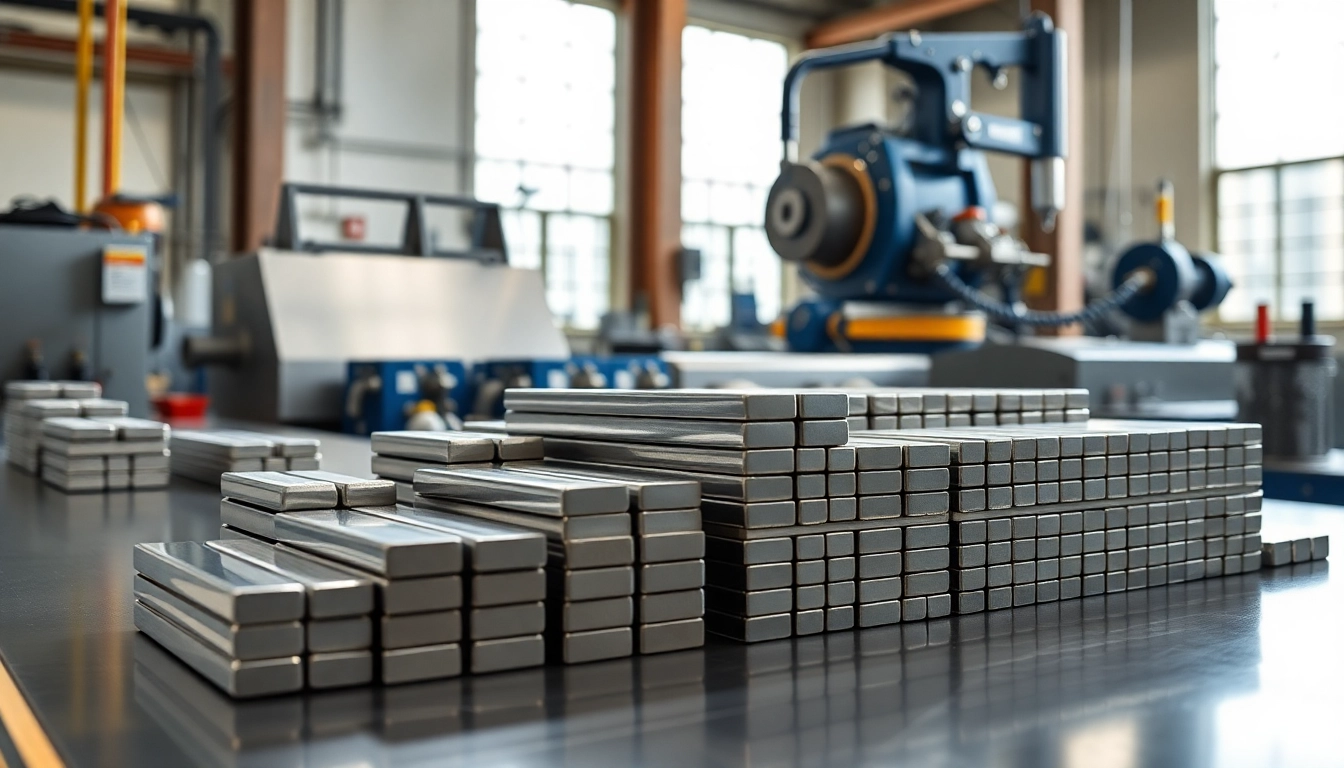
The Importance of Alnico Magnets and Their Applications
In the realm of permanent magnets, Alnico magnets manufacturer in china features products that stand out for their unique properties and versatility. Alnico, an alloy of aluminum, nickel, and cobalt, is known for excellent temperature stability, high resistance to demagnetization, and good corrosion resistance. These qualities have led to its extensive use across various industries, revolutionizing applications from electric motors to sensor devices.
Understanding Alnico Magnets and Their Properties
Alnico magnets are composed primarily of aluminum, nickel, cobalt, and iron, with other trace elements. One of their most significant characteristics is their ability to maintain strength across a wide range of temperatures, typically up to 550 degrees Fahrenheit (about 288 degrees Celsius). This high-temperature resilience makes them suitable for environments that would adversely affect other types of magnets.
Moreover, Alnico magnets exhibit a relatively high magnetic flux density, meaning they can produce a strong magnetic field for their size. Their composition allows for easier shaping and machining, making them adaptable for various applications. Alnico magnets can be manufactured through sintering or casting processes, which can further influence their properties and uses.
Common Uses of Alnico Magnets in Various Industries
The versatility of Alnico magnets manifests through their widespread use in industries such as:
- Electronics: Used in electric motors, relays, and speakers due to their stable magnetic properties.
- Aerospace: Essential for components that require durability under extreme temperature fluctuations.
- Medical Devices: Utilized in magnetic resonance imaging (MRI) machines and other sensitive medical equipment.
- Automotive: Implemented in electric vehicles and sensors, where reliability and performance are crucial.
This diverse applicability demonstrates the significance of Alnico magnets, especially when precision and durability are essential. In almost every electronic and mechanical device requiring permanent magnets, you can be sure that Alnico plays a considerable role.
Advantages of Choosing Alnico Magnets over Other Types
Alnico magnets provide several advantages compared to other magnetic materials, such as neodymium or ferrite:
- Temperature Tolerance: Alnico magnets can perform exceptionally well at high temperatures where other magnets would lose their magnetic properties.
- Corrosion Resistance: Naturally resistant to corrosion, they do not require additional coatings, which can make them less susceptible to degradation over time.
- Magnetic Stability: Known for their strong magnetic properties and stability, they maintain performance over prolonged use.
These attributes make them an optimal choice in applications where reliability is paramount. With their unique capabilities, Alnico magnets are often considered a superior alternative to transient magnetic materials.
About Alnico Magnets Manufacturer in China
The landscape of magnet manufacturing has evolved, and China presents itself as a pivotal player in producing high-quality Alnico magnets. The nation boasts advanced manufacturing capabilities, strict adherence to quality standards, and a robust supply chain, making it a go-to destination for sourcing Alnico magnets.
Overview of Manufacturing Processes and Standards
Manufacturing Alnico magnets in China involves sophisticated practices to ensure high quality. Two primary methods are used: casting and sintering.
During casting, molten aluminum-nickel-cobalt alloy is poured into molds, allowing for the creation of complex shapes. This method is advantageous for producing larger magnets or those requiring intricate designs. Conversely, sintering involves compacting the metal powder and heating it to just below its melting point, resulting in a dense and robust magnet with improved magnetic properties. Both methods adhere to stringent guidelines to achieve exceptional consistency.
Quality Control Measures in Alnico Magnet Production
Quality control is paramount in the magnet production process. Leading manufacturers adopt rigorous measures which include:
- Material Inspection: Ensuring that raw materials meet specified standards before processing.
- Magnetic Testing: Evaluating the magnetic properties of magnets at various production stages.
- Dimensional Inspection: Measuring produced magnets against design specifications to ensure every product meets customer requirements.
- Environmental Factors: Assessing how environmental conditions affect magnet performance, aiming for consistency in various applications.
By implementing such quality controls, manufacturers can guarantee their products are robust and dependable, enhancing customer satisfaction while endearing themselves to the marketplace.
Customization Options Available for Buyers
One of the standout features of Alnico magnets made in China is the opportunity for customization. Manufacturers often provide tailored solutions to meet specific needs, which can include:
- Size and Shape: From discs and rings to custom shapes, manufacturers can develop magnets in various configurations to suit application requirements.
- Magnetization Patterns: Customers can specify how the magnetic fields should align, which can be crucial for specific applications.
- Special Coatings: While Alnico is naturally corrosion-resistant, additional coatings can be applied to enhance specific properties further.
This flexibility ensures that clients can achieve the exact specifications needed for optimal performance, significantly enhancing business relationships and product functionality.
How to Select the Right Alnico Magnet Manufacturer
Choosing the right manufacturer for Alnico magnets can be challenging, given the array of available options. However, some criteria can help streamline the selection process.
Key Factors to Consider in Choosing a Supplier
When selecting a manufacturer, consider the following critical factors:
- Production Capacity: Evaluate whether the manufacturer can meet your volume requirements.
- Technological Advancements: Look for companies implementing modern technologies for better production efficiency.
- Customer Feedback: Seek testimonials and case studies from past clients to gauge reliability and service levels.
Each of these factors can influence both the cost and quality of the magnets produced, highlighting the importance of making well-informed choices.
Assessing Manufacturer Reputation and Reliability
Reputation is key when selecting an Alnico magnet manufacturer. Engage in research focusing on:
- Industry Recognition: Look for awards, certifications, or memberships in industry associations that demonstrate quality commitment.
- History of Delivery: Assess the company’s track record regarding timely delivery and communication.
- After-Sales Support: Evaluate the support offered for troubleshooting or concerns regarding products.
A reliable manufacturer is one that demonstrates consistent performance and can provide ongoing support throughout the purchasing process and beyond.
Understanding Pricing and Value for Money
Price is often a determining factor in the selection process. However, it’s crucial not to sacrifice quality for a lower price. Consider the following when assessing pricing:
- Comparison with Competitors: Analyze quotes from multiple manufacturers to better understand the market rate.
- Total Cost of Ownership: Consider factors such as durability and performance longevity to evaluate the overall cost-effectiveness.
- Customization and Features: Additional features or customization options may raise the price but may also offer significant benefits.
Determining value is essential, as quality Alnico magnets can provide substantial long-term benefits that justify the initial expenditure.
Compliance and Certifications in Alnico Magnet Manufacturing
In a global market, compliance with industry standards is vital for manufacturers of Alnico magnets. Adhering to certification and regulatory guidelines is essential for ensuring product quality and customer safety.
Industry Standards and Best Practices
Recognizing and adhering to industry standards plays a crucial role in manufacturing. These standards often include safety protocols, environmental management guidelines, and process control measures. Manufacturers that adhere to industry benchmarks demonstrate a commitment to quality, ensuring that their products meet global expectations.
Common best practices involve continuous training and development of staff, regular audits of processes, and investment in updated equipment to enhance production capabilities. Companies that prioritize innovation can set themselves apart by continually improving product quality.
International Certifications for Quality Assurance
Many reputable manufacturers will have certifications that enhance their credibility. Among the most recognized quality assurance standards are:
- ISO 9001: A certification that ensures manufacturing processes meet international quality management standards.
- ISO 14001: Focuses on environmental management practices, indicating a manufacturer’s commitment to sustainable practices.
- RoHS Compliance: Ensures that the products do not contain hazardous substances, making them safer for consumers.
Companies that earn these certifications often provide products that are more reliable and ethically produced, making them an attractive option for buyers.
Importance of Environmental Compliance
With increased awareness of environmental issues, manufacturers are under considerable pressure to comply with environmental regulations. This compliance ensures that the production processes are sustainable, and waste management is effectively handled. Companies that adopt greener practices not only contribute to global sustainability efforts but can also appeal to environmentally conscious consumers, thereby enhancing their marketability.
In conclusion, choosing a manufacturer with a strong ecological focus can align with numerous corporate social responsibility goals and public expectations.
Future Trends in Alnico Magnet Production in China
The future of Alnico magnet production in China appears promising, bolstered by technological advancements and market growth. Understanding these trends can help stakeholders make strategic decisions moving forward.
Innovations in Magnet Manufacturing Technologies
Innovations are transforming the landscape for Alnico magnet manufacturing. Advances in material science are leading to better alloys with enhanced magnetic properties. This includes developments in 3D printing technology, which allows for more complex shapes and a reduction in material waste.
Additionally, automation and smart manufacturing are making the production process more efficient. By integrating AI and IoT technologies, manufacturers can streamline operations, predict maintenance needs, and enhance product quality.
Market Demand for Alnico Magnets in Emerging Applications
The demand for Alnico magnets is expanding beyond traditional uses, venturing into emerging sectors. With the rise of renewable energy technologies, such as wind turbines and electric vehicles, there is an increasing need for reliable and efficient permanent magnets. The growth of the automotive sector, particularly in electric mobility, will benefit significantly from their unique properties, driving further demand.
As these markets grow, manufacturers will need to be flexible and responsive to meet the unique needs associated with each product application.
Impact of Global Economic Factors on Alnico Magnet Supply
The global economy significantly affects the Alnico magnet market. Supply chain dynamics, trade regulations, and economic policies can influence production costs and availability. Increased demand from regions investing in infrastructure and technology can create variability in supply.
Additionally, fluctuating metal prices can affect production costs, thus impacting market prices. Staying aware of these economic factors allows manufacturers and buyers to navigate the evolving landscape more efficiently.