When it comes to construction or renovation projects, demolition work is a critical first step. It is not simply about tearing down walls or structures; it requires careful planning, safety protocols, and efficient execution to prepare the site for the next phase. Proper demolition work ensures that projects progress on schedule, debris is removed responsibly, and safety standards are maintained at all times.
Professional demolition is essential for projects ranging from home renovations to commercial site clearances. Inadequate demolition can cause delays, increase costs, and create hazards that affect workers and surrounding properties. Understanding the types of demolition work, safety measures, and proper planning is crucial for project success.
Why Professional Demolition Work Is Essential
Demolition work is more complex than it appears, and professional expertise provides significant advantages:
- Safety First: Every demolition project carries risks, including falling debris, structural instability, and exposure to dust, asbestos, or other hazardous materials. Experienced teams follow strict protocols to prevent injuries and ensure compliance with local regulations.
- Time Efficiency: Professional planning and execution allow projects to proceed smoothly, preventing delays caused by unexpected issues or inefficient methods.
- Proper Waste Management: Debris removal is handled responsibly, with recycling or disposal performed according to environmental standards.
- Cost Savings: Mistakes during demolition can result in structural damage or project delays, which may be expensive to correct.
- Project Reliability: Using skilled demolition professionals ensures that every phase of the project begins on a solid foundation, reducing risks for subsequent construction or renovation work.
Professional demolition is not just a service; it is a strategic investment in safety, efficiency, and project quality.
Common Types of Demolition Work
Understanding the various forms of demolition work helps property owners choose the right approach for their project.
- Interior Demolition: Focused on removing walls, ceilings, flooring, and fixtures inside a building without affecting exterior structures. This method is ideal for renovations where the main structure remains intact.
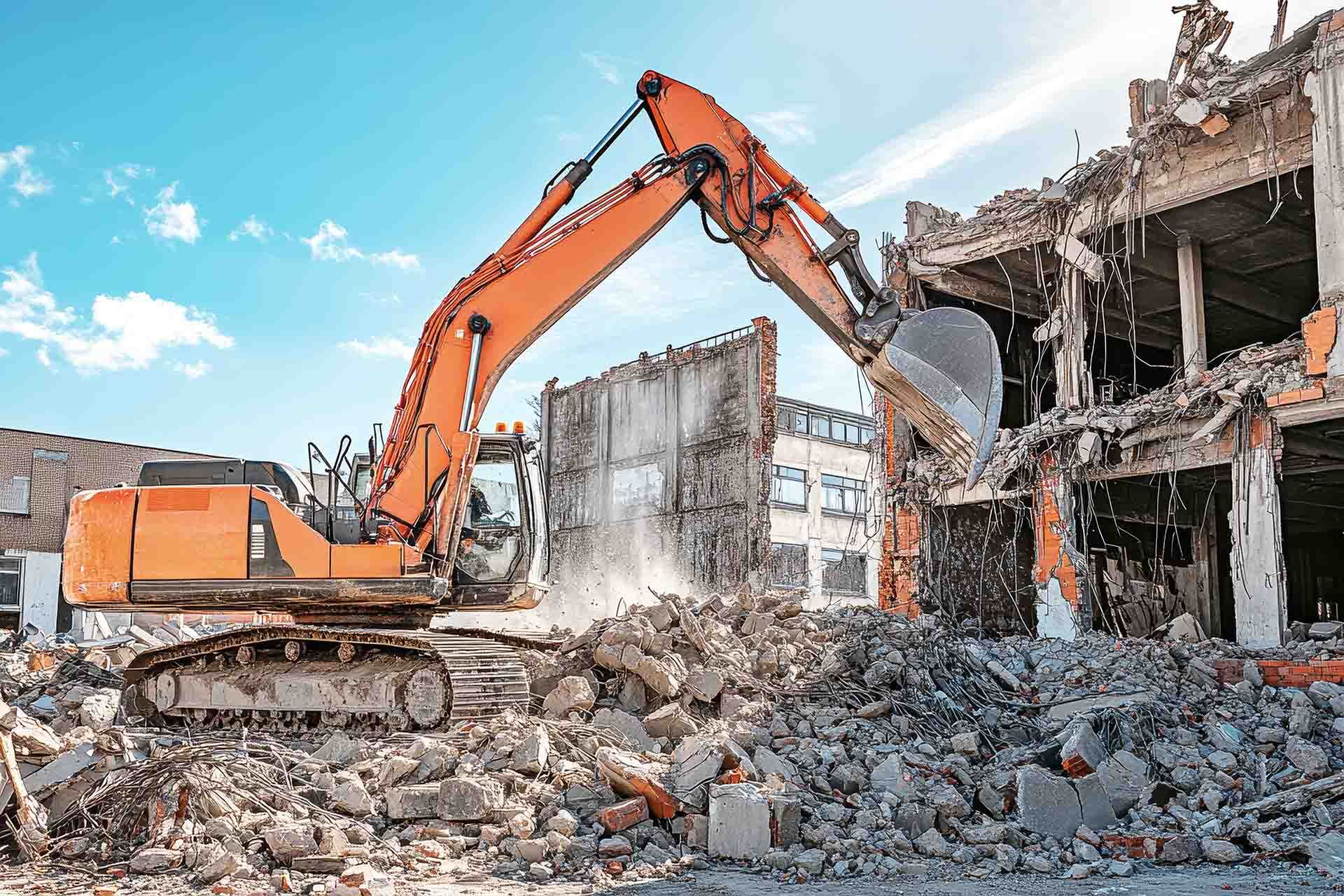
- Structural Demolition: Involves the complete removal of buildings or major portions of a structure. It typically requires heavy machinery and careful engineering to prevent unintended collapse.
- Selective Demolition: Also called “soft demolition,” this method targets specific areas for removal while leaving the rest of the building untouched. It is commonly used in remodeling or historic building preservation.
- Hazardous Material Demolition: Specialized demolition for structures containing asbestos, lead, or other dangerous substances. Professionals ensure legal compliance and worker safety.
- Exterior Demolition: Removal of outdoor structures such as garages, decks, sheds, or fences. Requires careful planning to prevent damage to adjacent property and landscaping.
- Emergency Demolition: Sometimes demolition is necessary to address structural failures or damage caused by fire, flooding, or other disasters. Quick and efficient execution is critical to prevent further hazards.
Selecting the appropriate demolition method ensures safety, efficiency, and compliance, reducing risks to both workers and property.
Key Considerations for Safe and Effective Demolition
Even simple demolition projects can present significant hazards if not approached carefully. Best practices include:
- Structural Assessment: Identify load-bearing walls, plumbing, electrical lines, and hidden hazards before starting.
- Permit Acquisition: Most localities require permits for demolition. Failure to obtain them can result in fines or work stoppages.
- Protective Equipment: Helmets, gloves, goggles, masks, and sturdy footwear reduce the risk of injury.
- Debris Management Planning: Develop a clear plan for hauling, recycling, or disposing of materials.
- Utility Line Safety: Ensure gas, water, and electricity are properly disconnected before demolition begins.
- Use of Proper Machinery and Tools: Using the right equipment increases efficiency and minimizes risks.
- Professional Involvement: Certain demolition tasks, such as those involving hazardous materials or structural support removal, require professional expertise to prevent accidents.
Following these precautions not only protects workers but also safeguards the integrity of the surrounding property.
Challenges in Demolition Work
Demolition projects often encounter unexpected obstacles. Anticipating and preparing for these challenges helps maintain efficiency:
- Hidden Structural Issues: Older buildings may have deteriorated materials, unstable foundations, or previous modifications that complicate demolition.
- Hazardous Materials: Lead, asbestos, mold, and other contaminants require specialized handling to avoid health risks and regulatory penalties.
- Space Constraints: Urban environments with limited access require careful planning to maneuver equipment safely.
- Noise and Dust Management: Projects in residential or commercial areas must consider the impact of noise and dust on neighbors and surrounding businesses.
- Weather Conditions: Rain, high winds, or extreme temperatures can affect safety, equipment performance, and worker efficiency.
- Debris Volume: Large demolition projects generate significant debris, requiring logistical planning for storage, transport, and disposal.
Addressing these challenges proactively ensures that projects remain on schedule, within budget, and compliant with safety standards.
Benefits of Professional Demolition Work
Professional demolition work provides clear advantages that extend beyond simply removing structures:
- Reduced Risk of Accidents: Experienced teams follow protocols that minimize injuries and property damage.
- Time and Cost Efficiency: Planned execution and specialized equipment shorten project timelines and reduce unexpected expenses.
- Environmental Compliance: Proper disposal and recycling of debris protect the environment and meet local regulations.
- Smooth Transition to Next Phases: Properly cleared sites provide a safe and organized foundation for construction, renovation, or landscaping work.
- Long-Term Project Success: Projects that begin with well-managed demolition are more likely to stay on track and meet quality standards.
Selecting a Demolition Service
When hiring a demolition service, several factors indicate professionalism and reliability:
- Experience and Track Record: Companies with a history of successful projects are better equipped to handle diverse challenges.
- Safety and Insurance Compliance: Verification of OSHA adherence and proper insurance coverage is essential.
- Modern Equipment: Advanced machinery ensures faster, safer, and cleaner demolition work.
- Sustainable Practices: Companies committed to recycling and responsible disposal reduce environmental impact.
- Clear Communication: Transparent planning and progress updates improve efficiency and reduce misunderstandings.
Professional demolition services handle projects of any size, from residential renovations to large commercial clearances, with efficiency, safety, and environmental responsibility.
Conclusion
Demolition work is a critical component of construction and renovation projects. Attempting to cut corners or perform demolition without professional guidance can result in accidents, delays, and increased costs. Proper demolition work establishes a safe, efficient, and compliant foundation for every project phase.
From removing interior walls and floors to clearing hazardous materials or dismantling entire structures, professional demolition work ensures projects progress on time and within budget. Safety, efficiency, and proper debris management are crucial for achieving long-term project success.
Choosing experienced professionals for demolition work is essential to minimize risks, maintain timelines, and prepare the site for the next stages of construction or remodeling. With careful planning and expertise, companies like Junk Rescue AZ help transform demolition from a complex, high-risk task into a streamlined, manageable step toward successful project completion.