Understanding Education’s Role in Society
Education serves as the cornerstone of society, shaping individuals and enabling them to navigate through life’s complexities. Defined broadly, education is the process through which knowledge, skills, values, and beliefs are transmitted from one generation to the next. In a world characterized by rapid changes and challenges, understanding its role in promoting social equity, personal development, and community resilience is crucial. According to experts, education is not merely an academic pursuit; it’s a fundamental human right that fosters freedom, equality, and justice. By examining various aspects of education, we can appreciate its profound impact on societal progress.
The Definition and Importance of Education
At its core, education encompasses both formal and informal processes that facilitate learning. From structured classroom settings to experiential learning opportunities, education plays a vital role in developing critical thinking and problem-solving skills. The importance of education is manifold, influencing everything from economic opportunities to societal cohesion.
- Economic Growth: A well-educated workforce drives innovation and productivity, leading to economic prosperity.
- Social Cohesion: Education promotes understanding and tolerance among diverse groups, fostering a sense of community.
- Personal Development: Education empowers individuals to realize their potential and pursue their passions.
Historical Perspectives on Educational Reform
Understanding the evolution of educational reform helps us appreciate current challenges. Historically, education systems have been shaped by the need to adapt to societal changes, technological advancements, and political landscapes. Key movements, such as the progressive education movement in the early 20th century, emphasized experiential learning and inclusivity, countering traditional rote learning methods that often marginalized various groups.
Key Challenges Facing Education Today
Despite its critical role, the education sector faces significant challenges that undermine its effectiveness. Issues such as funding disparities, curriculum rigidity, and access to technology can hinder educational outcomes. Moreover, societal inequalities often permeate educational systems, limiting opportunities for marginalized communities. Addressing these challenges requires a comprehensive understanding of the systemic barriers that exist today.
Exploring Education Equity
Achieving education equity is essential for creating equal opportunities for all students, regardless of their socioeconomic background. The notion of equity transcends mere equality; it involves providing resources and support based on individual needs to ensure that every student can succeed.
The Need for Equal Opportunities in Education
Access to quality education is a fundamental right, yet many students face barriers that prevent them from achieving their potential. These barriers can be geographic, economic, or cultural. For instance, students in low-income areas often attend underfunded schools that lack essential resources. Recognizing and addressing these disparities is crucial for fostering a more equitable educational landscape.
Strategies for Promoting Inclusion and Diversity
Promoting inclusion within educational institutions involves implementing strategies that recognize and value diversity. Effective approaches include:
- Culturally Relevant Pedagogy: Integrating students’ cultural backgrounds into the curriculum enhances engagement and understanding.
- Universal Design for Learning (UDL): This framework encourages educators to create flexible learning environments that accommodate diverse learning needs.
- Community Partnerships: Collaborating with local organizations can provide additional support and resources for marginalized groups.
Case Studies of Successful Equity Initiatives
Several educational institutions have successfully implemented initiatives aimed at promoting equity. For example, programs that provide mentoring and tutoring for underrepresented students have shown promising results in improving academic performance and college readiness. Additionally, schools that have adopted restorative justice practices report a reduction in disciplinary actions and an increase in student engagement.
Innovative Educational Technologies
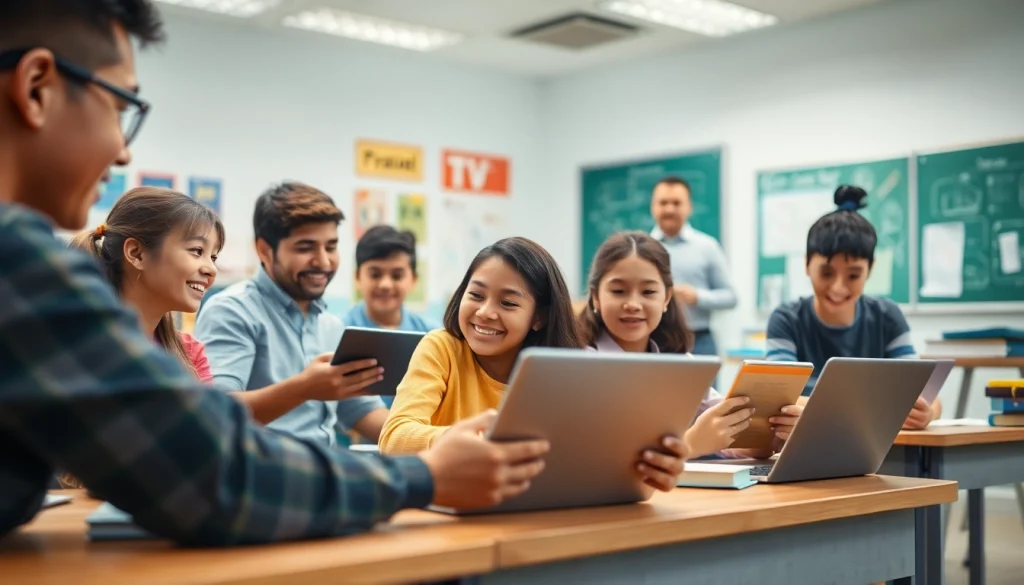
The integration of technology into education offers exciting opportunities for enhancing learning experiences. As we look towards 2026, emerging technologies are set to transform the educational landscape, providing new tools and methodologies for teaching and learning.
Emerging Technologies Shaping Education in 2026
Technological advancements such as artificial intelligence, virtual reality, and adaptive learning platforms are reshaping the way educators approach instruction. For instance, AI can personalize learning experiences by analyzing student performance and tailoring curriculum to individual needs. Virtual reality, on the other hand, allows students to immerse themselves in real-world scenarios, enhancing experiential learning.
Best Practices for Integrating Technology in Classrooms
To maximize the benefits of technology in education, educators should adopt best practices including:
- Professional Development: Continuous training for educators on new technologies ensures effective implementation.
- Student-Centered Learning: Encourage students to take an active role in their learning through technology.
- Feedback Mechanisms: Utilize technology to gather feedback from students to improve teaching methods.
Measuring the Impact of Technology on Learning Outcomes
Evaluating the effectiveness of technology in education requires a systematic approach. Educators should utilize both qualitative and quantitative data to assess learning outcomes. Metrics such as student engagement, academic performance, and retention rates can provide insights into the impact of technology on education.
Advocating for Educational Reform
Effective advocacy is essential for promoting meaningful educational reform. By engaging stakeholders and addressing systemic issues, advocates can drive change that enhances educational equity and innovation.
Methods for Effective Advocacy in Education
Advocacy in education can take many forms, including grassroots organizing and policy lobbying. Some effective methods include:
- Building Coalitions: Collaborating with diverse groups can amplify voices and increase impact.
- Utilizing Data: Data-driven arguments can persuade policymakers and stakeholders to support necessary changes.
- Community Engagement: Engaging the community in discussions about educational needs fosters ownership and support for initiatives.
Building Community Support for Educational Change
Community support is crucial for the success of educational reforms. Initiatives that involve parents, students, and educators in the decision-making process are more likely to gain traction. Open forums and regular communication can help build trust and foster collaboration.
Real-World Examples of Successful Education Reform
Numerous reforms have successfully transformed educational systems. For instance, the introduction of charter schools has provided alternative options for students in underperforming districts, leading to improved educational outcomes. Similarly, initiatives emphasizing project-based learning have encouraged critical thinking and collaboration among students.
The Future of Education: Trends and Predictions
As we move towards 2026, several trends are expected to shape the future of education. These trends not only reflect advances in technology but also societal shifts that demand a rethinking of traditional educational paradigms.
Anticipated Changes in Educational Policy
Education policies are likely to evolve in response to emerging challenges and societal needs. Increased emphasis on mental health resources in schools, inclusion policies, and environmental education are anticipated. Policymakers will need to be agile to adapt to rapid changes in the global landscape.
The Impact of Global Events on Education Systems
Global events, such as pandemics and economic crises, significantly influence educational systems worldwide. The recent COVID-19 pandemic highlighted the vulnerabilities in education, driving innovations such as remote learning and blended learning models. As we navigate the aftermath, continued emphasis on flexible learning environments will be essential.
Preparing Next-Generation Educators for Future Challenges
The role of educators is evolving, and preparing them for future challenges is paramount. Teacher training programs must incorporate skills such as technology integration, culturally responsive teaching, and data literacy. By equipping educators with these competencies, we can ensure they are prepared to meet the diverse needs of students.