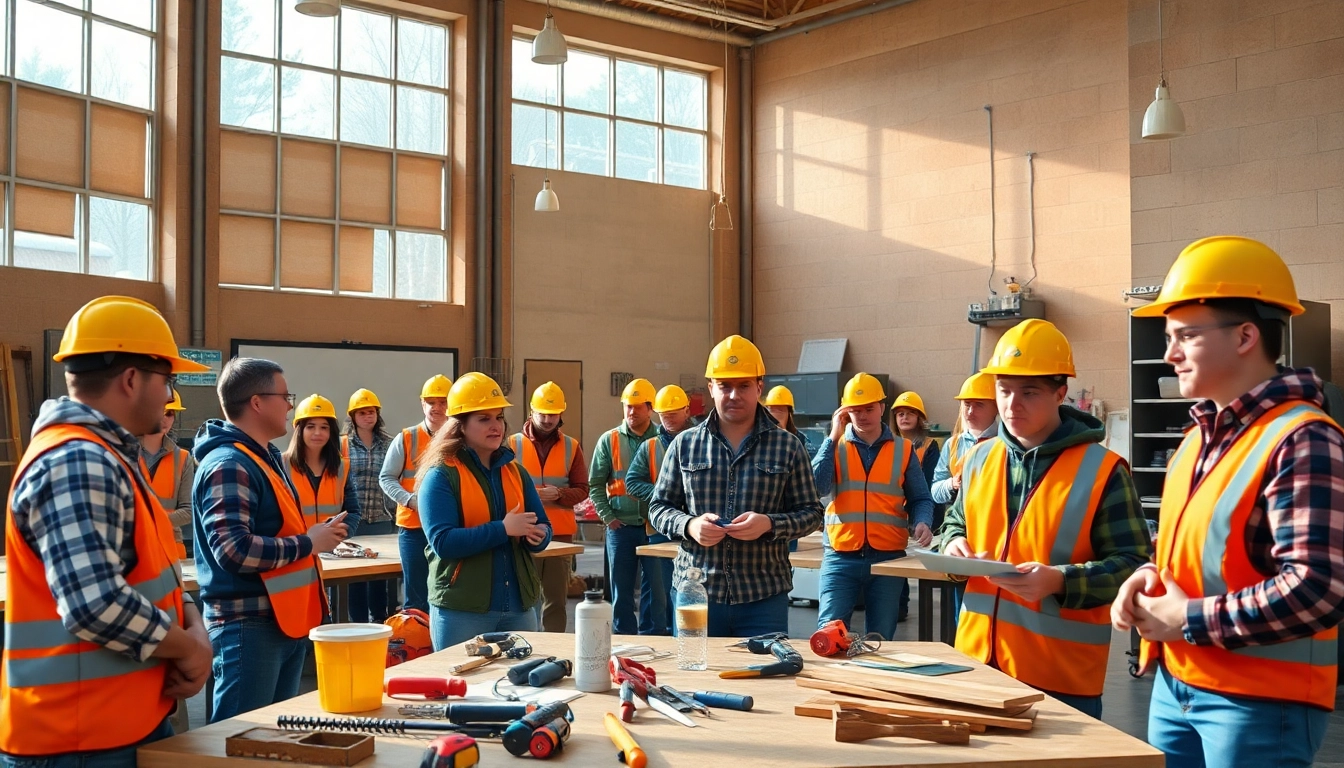

Understanding the Importance of Careers in Construction
The construction industry is a cornerstone of economic development, providing infrastructure essential for daily living and commercial activities. With continuous urbanization and a growing population, the demand for skilled professionals in this field is more notable than ever. Engaging in careers in construction offers not only lucrative job opportunities but also a chance to contribute significantly to society. In this article, we will delve into the vital role of construction careers, the skills needed for success, the variety of career opportunities, and much more.
The Role of Construction in Economic Development
The construction sector plays a pivotal role in the global economy. In the United States, the industry accounts for nearly 5% of the GDP, which amounts to hundreds of billions of dollars annually. Construction projects—from residential buildings to large-scale infrastructure such as bridges and public transportation systems—generate employment, stimulate local economies, and support ancillary industries like manufacturing and retail.
Moreover, the sector’s influence extends beyond economics. Well-planned construction projects enhance community living standards, promote sustainability, and set the foundation for future developments. In various regions, investment in construction has led to job creation, leading to direct and indirect benefits for numerous households.
Key Skills Required for Success
Success in a construction career requires a unique blend of hard and soft skills. Technical skills include knowledge of construction methods, structural engineering principles, and proficiency in relevant software for project management. However, soft skills such as communication, teamwork, and problem-solving play a crucial role as well. Professionals often need to collaborate with various stakeholders, including architects, engineers, and clients, making interpersonal skills essential for effective project execution.
Furthermore, attention to detail, critical thinking, and project management capabilities are non-negotiable in this field—ensuring projects are completed on time, within budget, and adhere to safety standards.
Career Opportunities in Multiple Sectors
The construction industry offers a diverse array of career paths. Potential jobs range from on-site roles like laborers, equipment operators, and foremen to office-based roles such as estimators, project managers, and architects. Additionally, there are specialized positions in green construction, where professionals focus on sustainable building practices, and safety engineers, who are responsible for maintaining health and safety standards on construction sites.
Demand for skilled workers across these various roles often outpaces supply, creating significant opportunities for individuals with the right qualifications. With an estimated 1 million new jobs expected in the construction sector over the next several years, professionals who choose this path are likely to find rewarding employment.
Pathways to Entering the Construction Industry
Essential Education and Training Programs
While some construction jobs require minimal education, obtaining a high school diploma or equivalent is often the first step toward a successful career. Many positions benefit significantly from additional education. Trade schools and community colleges offer programs specifically designed to teach essential construction skills. Topics may include construction management, electrical theory, plumbing basics, and carpentry.
Furthermore, obtaining a relevant degree—such as a Bachelor’s in Construction Management or Civil Engineering—can significantly enhance employability and potential earnings. These degree programs typically cover business principles as well as technical knowledge, preparing graduates for leadership roles in the industry.
Apprenticeships and Internships: Getting Hands-On Experience
Practical experience is invaluable in the construction field, making apprenticeships and internships highly beneficial for aspiring professionals. Many skilled trades—like plumbing, electrical work, and carpentry—offer formal apprenticeship programs where candidates learn on the job under the guidance of experienced professionals.
These programs can last several years and often include both supervised work experience and classroom instruction. Internships in construction management or engineering offer similar practical experience, allowing students to apply what they have learned in a real-world setting. Beyond technical skills, these experiences provide networking opportunities, which can be critical when starting a career in construction.
Networking and Mentorship in Construction Careers
Building a robust professional network is essential in the construction industry, where relationships often lead to job opportunities and career advancement. Engaging with industry associations, attending workshops, and participating in seminars can enhance professional connections.
Mentorship is another effective strategy; a mentor familiar with the construction landscape can offer guidance, share insights, and help navigate the complexities of the industry. Establishing such connections can be crucial for securing a foot in the door, particularly in competitive job markets.
Certifications and Licenses: Enhancing Your Career Prospects
Types of Certifications Available
Certifications can establish a professional’s credibility and specialized expertise within the construction field. Various organizations offer certifications in project management, safety, and sustainable practices. For instance, the Project Management Professional (PMP) credential is highly regarded in construction project management, while certifications from the Occupational Safety and Health Administration (OSHA) focus on workplace safety regulations.
Moreover, program-specific certifications exist in areas such as electrical work or welding, proving proficiency to employers and often leading to higher pay or better job prospects.
How Certifications Impact Career Advancement
Holding relevant certifications can significantly impact a construction worker’s career trajectory. They not only highlight a commitment to professional development but also make candidates more competitive in the job market. Employers often use certification as a criterion in hiring and promotions; employees with certifications typically earn higher salaries than their non-certified counterparts.
Moreover, certifications may lead to increased trust and respect from peers and clients. These factors combined enhance overall career prospects, making investment in certifications a wise decision for anyone serious about a long-term career in construction.
Staying Updated with Industry Regulations
Construction is a heavily regulated industry, and staying informed of the latest changes in local, state, and federal regulations is essential for professionals at all levels. Regular training and continuous education courses can help workers understand evolving safety regulations and compliance standards.
Professionals should seek out resources from industry associations, trade journals, and government websites to ensure they remain knowledgeable about current regulations. This commitment helps avoid penalties and fosters a safer working environment, contributing positively to professional reputation and career sustainability.
Challenges and Solutions in Construction Careers
Addressing Skills Shortages in the Industry
One of the most pressing challenges in the construction industry is the persistent skills shortage. As many seasoned professionals retire, the gap between the demand for skilled labor and available workforce widens. To address this issue, collaboration between educational institutions and construction firms is vital.
Programs that combine classroom instruction with hands-on experience can attract young people into the field. Additionally, promoting construction careers in schools and community organizations can help raise awareness of available opportunities and the benefits they offer.
Workplace Safety and Risk Management
Workplace safety remains a significant concern in construction, where the risk of accidents is high. Ensuring that all workers are trained in safety procedures and that proper safety equipment is available is crucial. Organizations can implement comprehensive safety training programs to educate employees about potential hazards and effective risk management practices.
Furthermore, regular safety audits and utilizing technology (such as wearable safety gear and job site monitoring systems) can enhance safety measures. Fostering a culture of safety not only protects workers but can also improve job satisfaction and productivity.
Overcoming Gender and Diversity Challenges
The construction industry has long been characterized by gender diversity challenges, with women and minority groups underrepresented. To rectify this imbalance, firms should actively promote inclusive hiring practices and create supportive work environments.
Programs that mentor underrepresented individuals, along with partnerships with women-focused organizations and community outreach, can foster a more diverse workforce. Efforts to challenge stereotypes about gender roles in construction can also encourage participation from historically marginalized groups, ultimately enriching the industry.
Future Trends Impacting Careers in Construction
Technological Advancements in Construction
Technology is rapidly reshaping the construction landscape, introducing tools and practices that enhance efficiency and reduce costs. From Building Information Modeling (BIM) to advanced robotics and 3D printing, technological advancements are streamlining construction processes and improving project accuracy.
As these technologies continue to evolve, the need for technologically adept professionals is increasing. Workers will require continuous training in new technologies to remain competitive and proficient in their roles, making tech-savvy individuals highly desirable in the job market.
Green Building and Sustainable Practices
With rising environmental awareness, the demand for green building practices is on the rise. Construction professionals who understand sustainable materials, energy-efficient designs, and environmentally-friendly construction methods will be in high demand.
Developing skills related to sustainability and obtaining certifications in green building technologies can enhance career prospects in this increasingly important sector. As companies strive for LEED certification and other sustainability benchmarks, expertise in these areas will become even more valuable.
The Evolving Workforce: Embracing New Dynamics
The construction workforce is evolving, reflecting shifts in demographics and work patterns. With younger generations entering the workforce, new expectations regarding work-life balance, collaboration, and flexibility are surfacing. Contractors and firms must adapt to these changes by fostering inclusive environments, offering flexible schedules, and utilizing modern collaborative tools.
Additionally, as more people work remotely, constructing a dynamic team that utilizes technology for seamless communication and project management will be critical. Employers who embrace these changes are more likely to attract top talent and maintain a competitive edge in the labor market.