Understanding Modern Steel Pergolas
1. Definition and Benefits of Steel Pergolas
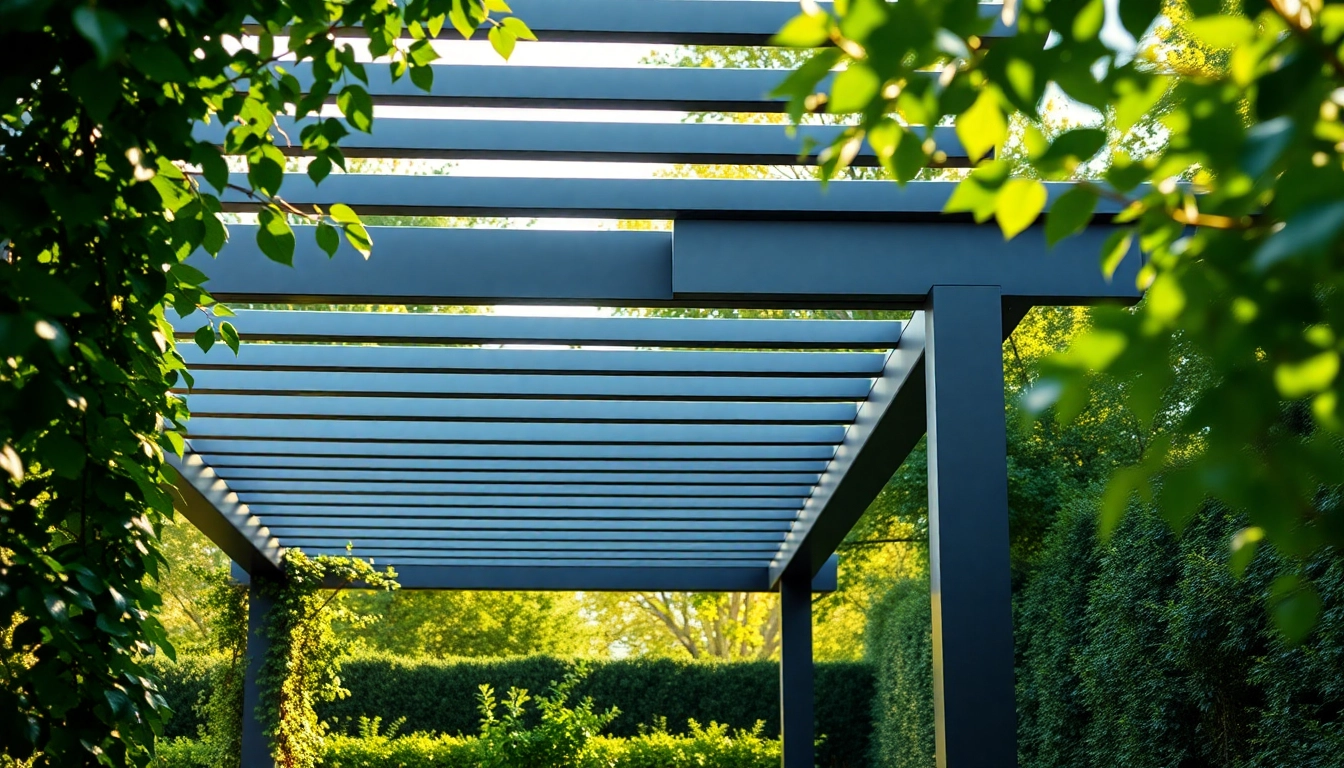
Steel pergolas represent a harmonious blend of function and aesthetics, providing an inviting outdoor space that enhances the beauty of gardens and patios. Unlike traditional wooden structures, modern steel pergolas are manufactured from durable materials that resist the test of time, weathering, and decay. They serve various purposes, from acting as a versatile shelter for outdoor gatherings to enhancing the visual appeal of a property. A modern steel pergola can transform any outdoor setting into a serene retreat, perfect for relaxation or entertainment.
The benefits of integrating a modern steel pergola into your outdoor space include enhanced durability, low maintenance requirements, and the potential for greater design flexibility. Steel pergolas withstand harsh weather conditions, reducing the frequency of repairs and replacements that wooden structures tend to require. Additionally, they can be designed in various styles, accommodating a range of architectural themes and personal preferences.
2. Key Features of Modern Designs
Modern steel pergolas come equipped with several key features that set them apart from traditional models. These include:
- Modular Components: Many modern steel pergolas utilize modular designs that allow for easy customization and scalability, enabling homeowners to select components that best suit their needs.
- Weather Resistance: High-quality steel is often treated or coated to enhance its resistance to rust, fading, and environmental impact, ensuring longevity and maintaining appearance.
- Versatile Roof Options: From open, airy slats to retractable or even solid roof designs, modern pergolas provide flexibility in how one wishes to manage sunlight and rain exposure.
- Integrated Lighting: Many contemporary pergolas include options for integrated lighting and electrical features, enhancing usability during evenings and adding an aesthetic charm.
3. Comparing Steel with Other Materials
When considering the ideal material for a pergola, steel, wood, and aluminum often come to mind. Each offers distinct advantages and disadvantages:
| Material | Benefits | Drawbacks |
|---|---|---|
| Steel | Durable, weather-resistant, low maintenance | Heavier than wood, can be cold to touch |
| Wood | Natural appearance, customizable | Requires regular maintenance, prone to rot |
| Aluminum | Lightweight, rust-resistant, usually less expensive than steel | Less strength than steel, may lack aesthetic appeal |
Steel emerges as a strong contender, especially for those seeking a robust and enduring solution. While wood provides warmth and charm, it may not offer the lifetime value and minimal upkeep associated with modern steel options.
Choosing the Right Location for Your Pergola
1. Factors to Consider in Placement
Choosing the right location for your steel pergola is crucial for maximizing its utility and aesthetic appeal. Here are some important factors to consider:
- Accessibility: Ensure the pergola is easily accessible from indoor living spaces, as this will encourage its use for gatherings and leisure activities.
- Visibility: Consider placing the structure where it can be seen from key vantage points, such as windows or outdoor seating areas, enhancing the overall landscape.
- Proximity to Utility Sources: If you plan to add lighting or other amenities, select a spot that’s close to electrical outlets.
2. Integrating with Landscape Features
Integration with the landscape is vital for creating a harmonious outdoor environment. Here are some strategies to seamlessly blend your pergola into its surroundings:
- Planting: Consider surrounding your pergola with climbing plants or vines that will grow up the structure. This strategy adds natural beauty and shade.
- Pathways: Create pathways leading to your pergola to promote use and enhance accessibility. Use materials that complement the pergola’s design.
- Focal Points: Position the pergola where it can serve as a focal point in your yard, drawing the eye and providing a centerpiece for landscaping.
3. Sunlight and Shade Considerations
Understanding how sunlight interacts with your space throughout the day is vital in determining your pergola’s orientation and design. Here are considerations for managing sunlight and shade:
- Eastern Exposure: If your pergola faces east, it will receive bright morning sunlight, which might be desirable for breakfast gatherings.
- Western Exposure: Pergolas facing west can provide shade in the evening, perfect for after-work relaxation.
- Adjustable Features: Consider designs that allow you to adjust or retract the roof to manage sunlight exposure easily.
Design Options for Modern Steel Pergolas
1. Customization Possibilities and Features
The possibilities for customizing modern steel pergolas are virtually limitless, making it easy to create a structure that matches your personal style:
- Size and Shape: Your pergola can be tailored in size and shape to fit any space, from small patio additions to expansive backyard focal points.
- Unique Roof Designs: Various roof designs, including arching beams or geometric patterns, can add character to the structure.
- Personalized Colors: Many manufacturers offer multiple color options, allowing you to select hues that complement your home and garden.
2. Color and Finish Choices Available
Modern steel pergolas can be finished in various colors and textures, providing versatility to match your outdoor decor. Popular choices include:
- Powder Coating: This finish is offered in multiple colors and can protect against chipping and fading.
- Textured Finishes: Create a unique textured appearance that can enhance visual interest.
- Natural Metal: Leaving the steel in its natural state offers an industrial look that paradoxically fits well in nature.
3. Adding Accessories and Lighting
Enhancing your steel pergola with accessories and lighting can elevate the ambiance and usability of your outdoor spaces:
- Furniture: Selecting comfortable outdoor furniture not only makes the pergola inviting but also encourages time spent outdoors.
- Lighting Fixtures: Install ambient lighting or string lights to create a magical atmosphere for evening gatherings.
- Shade Fabrics: Incorporate retractable shades or canopies that provide flexible light control.
Installation Process and Best Practices
1. DIY vs Professional Installation
Deciding whether to install your modern steel pergola yourself or hire professionals largely depends on your skill level and the complexity of the design. Here are some pros and cons of each approach:
- DIY Installation: Cost-saving and a gratifying project for those with experience in home improvement.
- Professional Installation: Guarantees a structurally sound assembly and often comes with warranties, providing peace of mind.
2. Tools and Materials Needed
If you decide to take the DIY route, being equipped with the right tools and materials will make the installation process smoother. Essential tools include:
- Drill
- Measuring tape
- Wrenches and pliers
- Level
- Protective gear, including gloves and goggles
3. Safety Tips During Installation
Safety should always be a priority during installation. Here are some tips to keep in mind:
- Read Instructions: Ensure that you understand all guidelines provided by the manufacturer.
- Work in Pairs: Enlist a friend to help manage heavy parts and provide assistance during assembly.
- Use Proper Gear: Safety goggles and gloves can prevent injuries associated with construction materials.
Maintenance Tips for Longevity of Steel Pergolas
1. Regular Cleaning and Care Guidelines
Maintaining your steel pergola requires simple routine cleaning to keep it looking great:
- Seasonal Cleaning: Use mild soap and water to clean the structure biannually, removing dust, debris, and organic growth.
- Inspect Regularly: Check for any signs of damage, such as scratches or rust formation, and address them promptly to prevent further deterioration.
2. Addressing Rust and Damage Prevention
Preventing rust is critical to the longevity of your steel pergola. Consider the following tips:
- Check for Scratches: Touch up any scratches or chips in the paint as soon as possible to avoid rust formation.
- Consider a Sealant: Applying a protective sealant can provide an extra layer against rust and corrosion.
3. Seasonal Upkeep for Optimal Performance
Seasonal maintenance is essential to ensure your pergola remains structurally sound and visually appealing:
- Winter Preparation: Remove snow accumulation and check for ice dams that could place stress on the structure.
- Spring Servicing: Inspect for winter damage and remove any winter protection measures, such as coverings.
- Summer Care: Add protective coatings if necessary and regularly clean to maintain its vibrant appearance.