
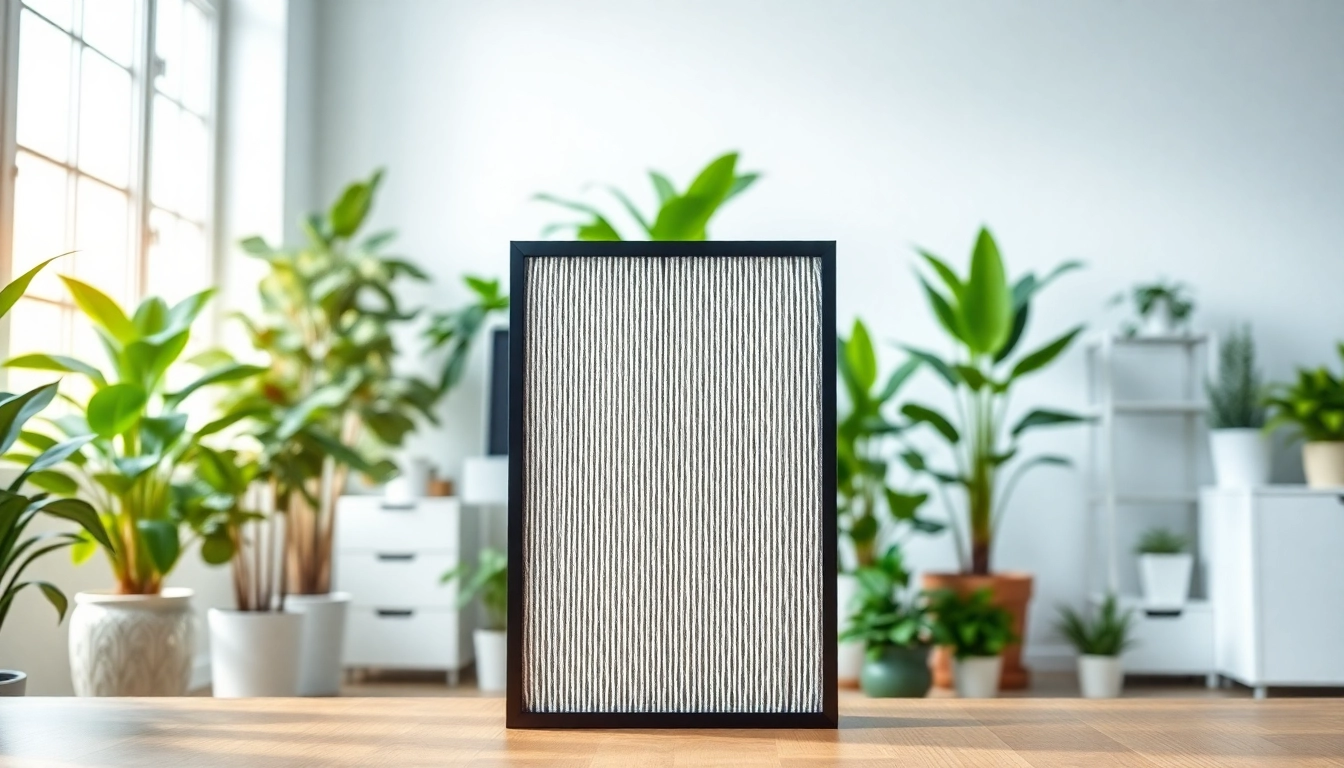
Understanding Hepa Filters: What They Are and How They Work
HEPA filters, or High-Efficiency Particulate Air filters, are crucial components in various air purification systems, including home air purifiers, HVAC systems, and vacuum cleaners. They are designed to significantly reduce airborne particles, making them essential for improving indoor air quality. By understanding how they operate, we can better appreciate their value in maintaining a healthy living environment. The performance of a hepa filter can vastly improve the quality of air we breathe, combating dust, allergens, and pollutants.
The Science Behind Hepa Filters
HEPA filters work on a simple yet effective principle: they trap particles using a dense network of fibers. To qualify as a true HEPA filter, it must remove at least 99.97% of particles that are 0.3 microns in size. This size is particularly critical because it includes many common pollutants such as dust mites, pet dander, pollen, and even smoke particles. The filtration process involves three mechanisms: interception, impaction, and diffusion.
- Interception: Particles collide with fibers as they pass through the filter, getting stuck.
- Impaction: Larger particles are unable to change direction and strike fibers directly, thus getting trapped.
- Diffusion: Smaller particles, which move erratically due to Brownian motion, are captured as they collide with fibers.
Key Benefits of Using Hepa Filters
Utilizing HEPA filters offers numerous benefits that extend beyond simple dust reduction:
- Allergen Reduction: They efficiently trap allergens, providing relief for individuals with allergies or respiratory issues.
- Enhanced Safety: HEPA filters can trap particles that may harbor viruses and bacteria, thus contributing to a safer indoor environment.
- Improved Odor Control: Some HEPA filters can be combined with activated carbon layers that help eliminate odors in addition to particulates.
- Healthier Home Environment: By reducing contaminants, HEPA filters create a healthier living space, benefiting overall well-being.
Types of Hepa Filters Available
HEPA filters come in various shapes and designs, catering to different applications. The most common types include:
- True HEPA Filters: Must meet the 99.97% efficiency standards, making them the top choice for allergy sufferers.
- HEPA-Type Filters: Often found in lower-cost products, these may not meet true HEPA standards but still offer some reduction in particulate matter.
- HEPA 13 and HEPA 14 Filters: Higher-grade filters that offer even greater filtration capabilities and are often used in hospitals and cleanrooms.
- Washable HEPA Filters: Reusable filters that can be cleansed for ongoing use, although they may not always maintain original effectiveness after multiple washes.
Choosing the Right Hepa Filter for Your Needs
Factors to Consider When Selecting a Hepa Filter
Selecting the perfect HEPA filter involves several considerations:
- Filtration Efficiency: Determine if a true HEPA filter or a lower-grade variant meets your needs based on allergy considerations.
- Filter Size: Ensure that the filter fits your device properly to avoid air leakage and maintain efficiency.
- Filter Type: Depending on your specific environment (e.g., home, office, medical facility), the type of HEPA filter may vary.
- Cost of Replacement: It’s essential to factor in the long-term maintenance cost of changing or washing filters.
Comparing Hepa Filters and Other Air Filtration Options
When evaluating HEPA filters against other air cleaning technologies, it’s crucial to understand their differences:
- Activated Carbon Filters: Great for odor and gas removal but not as effective for particulate matter compared to HEPA.
- UV Filters: Kill microorganisms but don’t capture particulates, necessitating the use of a HEPA filter for comprehensive air purification.
- Ionic Filters: They may produce ozone, which can be harmful to health, while HEPA filters are ozone-free.
Tips for Selecting the Correct Size
Correct sizing is crucial for optimal performance. Here’s how to ensure you purchase the right size HEPA filter:
- Check the specifications of your device to determine the required filter size.
- Measure the existing filter for accurate dimensions if you are replacing one.
- Consult the manufacturer’s guidelines regarding filter types and sizes for your specific model.
Installing Your Hepa Filter Properly
Step-by-Step Installation Guide
Installing a HEPA filter is straightforward but requires attention to detail:
- Start by turning off the appliance to prevent any electrical hazards.
- Locate the filter compartment and remove the old filter if applicable.
- Carefully insert the new HEPA filter, ensuring it fits snugly without gaps.
- Return the compartment cover or access door to its original position.
- Restart your appliance and verify proper operation.
Common Mistakes to Avoid During Installation
To ensure an effective installation, avoid these common pitfalls:
- Installing a filter that does not match the device specifications.
- Failing to remove any protective coverings that may be present on the new filter.
- Not sealing the compartment properly, which can lead to air bypass and reduced efficiency.
Maintenance Tips to Ensure Longevity
Maintaining your HEPA filter is crucial for longevity and continued effectiveness:
- Regularly check the filter for dirt buildup and replace it according to manufacturer recommendations.
- Clean surrounding areas to reduce dust entering the unit.
- Utilize devices with filter change indicators to make monitoring easier.
Verifying the Effectiveness of Your Hepa Filter
How to Perform Air Quality Tests
To ensure your HEPA filter is performing effectively, consider conducting air quality tests:
- Utilize a portable air quality monitor that tracks particulate levels.
- Test the air quality before and after installing your HEPA filter to gauge improvement.
- Regularly monitor to ensure ongoing performance throughout the filter’s lifespan.
Monitoring Efficiency and Performance Over Time
Monitoring is crucial to understand how effectively your HEPA filter cleans the air:
- Tracking changes in allergy symptoms can indicate filter performance.
- Routine visual inspections help detect visible dirt and debris accumulation, signalling a need for replacement.
- Comparing air quality readings over time allows for performance evaluation.
Signs That Your Hepa Filter Needs Replacement
Understanding when to replace your HEPA filter can prevent inefficiency:
- Increased allergy symptoms or worsening air quality.
- Visible signs of dirt and blockage on the filter surface.
- Increased energy consumption from your cleaning equipment.
Integrating Hepa Filters into Your Overall Indoor Air Quality Strategy
Combining Hepa Filters with Other Air Purification Methods
For optimal indoor air quality, consider a multi-layered approach:
- Combination Systems: Use HEPA filters alongside activated carbon filters for contaminant and odor removal.
- Ventilation Solutions: Integrate active ventilation systems that enhance airflow and outdoor air exchange.
- Regular Cleaning: Incorporate a cleaning schedule for dusting and vacuuming, which minimizes particulates in the air.
Creating an Indoor Air Quality Maintenance Plan
A comprehensive maintenance plan for indoor air quality can greatly enhance living conditions. This includes:
- Scheduled filter changes based on usage and environmental conditions.
- Regular monitoring of indoor air quality and adjusting strategies accordingly.
- Educating family members about practices that promote clean air, such as minimizing indoor pollutants.
Real-Life Examples of Improved Air Quality with Hepa Filters
There are countless testimonials and studies showcasing the effectiveness of HEPA filters. For instance, families with pets have reported a significant reduction in allergy symptoms after integrating HEPA filters into their home ventilation systems. Moreover, commercial spaces utilizing HEPA filtration in conjunction with their HVAC systems have documented lower absenteeism rates due to improved air quality. In hospitals, the use of HEPA filters in surgical suites helps maintain sterile environments, substantially decreasing infection rates.