Introduction to Wineries in Clarksburg
Clarksburg, California, nestled in the heart of the Sacramento Valley, boasts a reputation for its exceptional wineries in Clarksburg. With its unique terroir, rich history, and diverse wine offerings, this region is a hidden gem for wine enthusiasts and casual visitors alike. In this article, we will explore the landscape, history, types of wineries, tasting experiences, and helpful tips for visiting, ensuring you have a thorough understanding of what makes Clarksburg’s wine culture so special.
The Unique Landscape of Clarksburg’s Vineyards
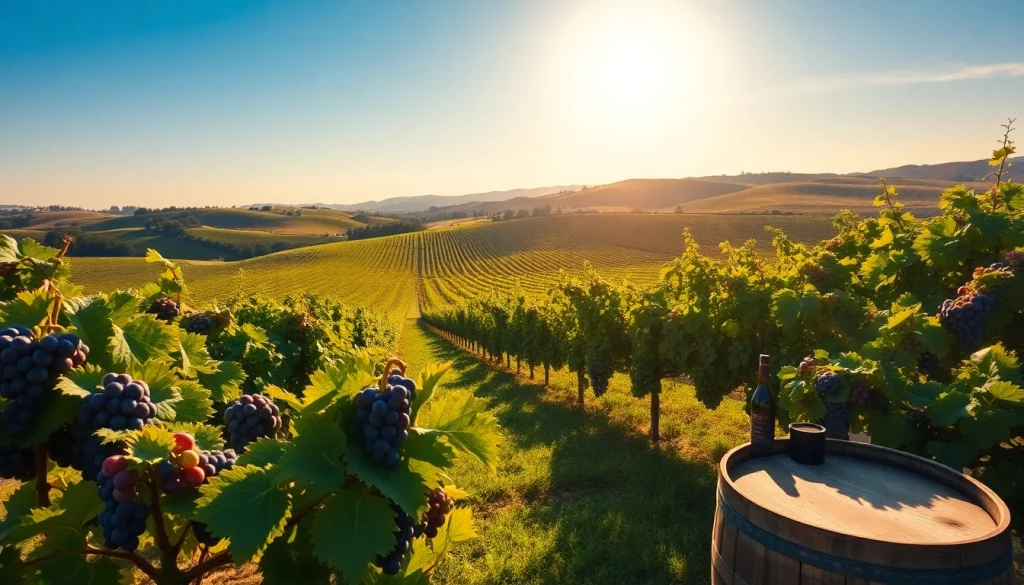
The landscape of Clarksburg is characterized by its sandy soils, which are ideal for grape cultivation. The Sacramento River and its nearby waterways provide the necessary irrigation, while the moderate climate with warm days and cool nights creates optimal conditions for growing various grape varieties. This unique terroir results in distinctive flavors that set Clarksburg wines apart from others produced in California.
History of Winemaking in Clarksburg
Winemaking in Clarksburg has roots that date back to the 19th century, when European settlers first introduced viticulture to the region. The area’s proximity to the river facilitated transportation of wines, leading to a rich wine culture that flourished over the decades. As a result of its long-standing tradition, the Clarksburg region has seen a resurgence of interest in winemaking, with both established vineyards and new wineries emerging to showcase its unique varietals.
What Makes Clarksburg’s Wines Special?
Clarksburg’s wines are unique due to the region’s ideal growing conditions, which allow for the cultivation of several distinctive varietals, including Chenin Blanc, Zinfandel, and Petite Sirah. The sandy loam soils contribute to a minerality that is often reflected in the wines’ profiles, offering a balance of fruitiness and complexity. Additionally, many wineries in Clarksburg adopt sustainable farming practices, further enhancing the quality and character of their wines.
Types of Wineries in Clarksburg
Family-Owned vs. Commercial Wineries
Clarksburg is home to a mix of family-owned and commercial wineries, each offering a unique experience. Family-owned wineries often prioritize artisanal methods and personal touches, creating limited production wines that reflect the family’s heritage and commitment to quality. Commercial wineries, while larger, focus on higher volumes and distribution, often experimenting with different blends and creating accessible wines that appeal to a broader audience.
Organic and Sustainable Practices
With an increasing focus on sustainability, many wine producers in Clarksburg are adopting organic and biodynamic practices. These methods not only contribute to the health of the vineyards but also produce wines that are often more expressive of their terroir. Visitors can look for labels that highlight these practices, ensuring their selections are aligned with environmentally-friendly ethos.
Boutique Wineries: What to Expect
Boutique wineries in Clarksburg tend to offer personalized experiences, allowing visitors to engage deeply with the wine-making process. Expect intimate tastings, opportunities to meet the wine makers, and a carefully curated selection of wines that may not be available elsewhere. These hidden treasures provide a chance to discover unique flavors and stories behind each bottle.
Visiting Wineries in Clarksburg
Best Times to Visit and Seasonal Events
The best times to visit wineries in Clarksburg vary by season, but generally, the late spring through early fall offers optimal conditions for vineyard tours and tastings. During this period, many wineries host seasonal events such as harvest festivals, wine release parties, and tours. Springtime is particularly beautiful, as vineyards come to life with blooming vines, while autumn showcases the vibrant colors of the changing leaves.
Tips for First-Time Visitors
For first-time visitors, it’s advisable to plan ahead. Research wineries in advance and consider making reservations where required. Dress in layers, as vineyard temperatures can fluctuate, and bring a designated driver if you’re tasting multiple wines. Additionally, engaging with the staff and asking questions about the wines will enhance your experience and enjoyment.
What to Bring for a Vineyard Tour
When visiting the vineyards, essential items to bring include a reusable water bottle to stay hydrated, sunscreen to protect against UV rays, and comfortable shoes for walking around the vineyards. If you’re planning to buy some wine, consider bringing a cooler bag for safe transport, especially in warmer months. Don’t forget a camera to capture the beautiful scenery and memorable moments!
Tasting Experience at Wineries in Clarksburg
Wine Tasting Etiquette
Understanding wine tasting etiquette enhances the overall experience. Begin by observing the wine’s color and clarity, then swirl it gently in the glass to release its aromas. Take a moment to inhale the bouquet before tasting, and remember to take small sips to appreciate the complexities. It’s also polite to offer feedback, but always be respectful of the wine maker’s efforts.
Pairing Local Foods with Clarksburg Wines
Exploring food pairings with wines from Clarksburg can elevate your tasting experience. Chenin Blanc, for example, pairs well with seafood and light salads, while Zinfandel complements barbecue dishes and spicy foods. Many wineries offer food pairing suggestions and might even have local culinary artisans on site during tastings, creating an opportunity for an unforgettable gastronomic experience.
Understanding Wine Labels and Varietals
Deciphering wine labels can seem daunting, but it’s an essential skill for wine lovers. Start by noting the varietal, as it indicates the dominant grape used in the wine. The vintage year reveals when the wine was produced, while the region indicates where the grapes were grown. Understanding these elements can greatly enhance your appreciation of each wine’s unique characteristics and origins.
Planning Your Tour of Wineries in Clarksburg
Crafting Your Own Wine Itinerary
When planning your visit, consider crafting a personalized wine itinerary. Research and select your preferred wineries based on your taste preferences, and balance visits between larger producers and intimate, boutique options. Allow for sufficient time at each location to savor the wines and engage with the staff. It’s beneficial to allocate free time for leisurely exploration or spontaneous stops at local food vendors or artisan shops.
Transportation Options for Vineyard Visits
Transportation is a crucial consideration when touring wineries. Options range from personal vehicles to organized shuttle services, and many local tour companies provide wine tasting packages that include transportation. If you’re visiting multiple locations, hiring a designated driver is highly recommended for safety and convenience, allowing you to relax and enjoy the experience without worry.
Accommodations Near Wineries in Clarksburg
Clarksburg offers a variety of accommodations to suit different preferences and budgets. Options include charming bed and breakfasts, boutique hotels, and vacation rentals, each providing a unique experience. Staying overnight allows visitors to explore multiple wineries without the constraints of time, ensuring an immersive and enriching wine journey.
Frequently Asked Questions
What types of wines are produced in Clarksburg?
Wineries in Clarksburg primarily produce varietals such as Chenin Blanc, Zinfandel, and Petite Sirah, showcasing the region’s unique terroir.
Are there any special events at Clarksburg wineries?
Yes, many wineries host seasonal events, including harvest festivals and wine release parties, typically from late spring through early fall.
Can I bring my own food to winery tastings?
Policies on outside food vary by winery. It’s best to check in advance, as some places have on-site food options or partner with local chefs.
Is it necessary to make reservations for tastings?
While some wineries welcome walk-ins, making reservations is advisable, especially during peak seasons, to ensure availability and a more personal experience.
What nearby attractions can I visit after wine tasting?
After wine tasting, consider visiting nearby historical sites or enjoying recreational activities along the Sacramento River, like biking or hiking.