
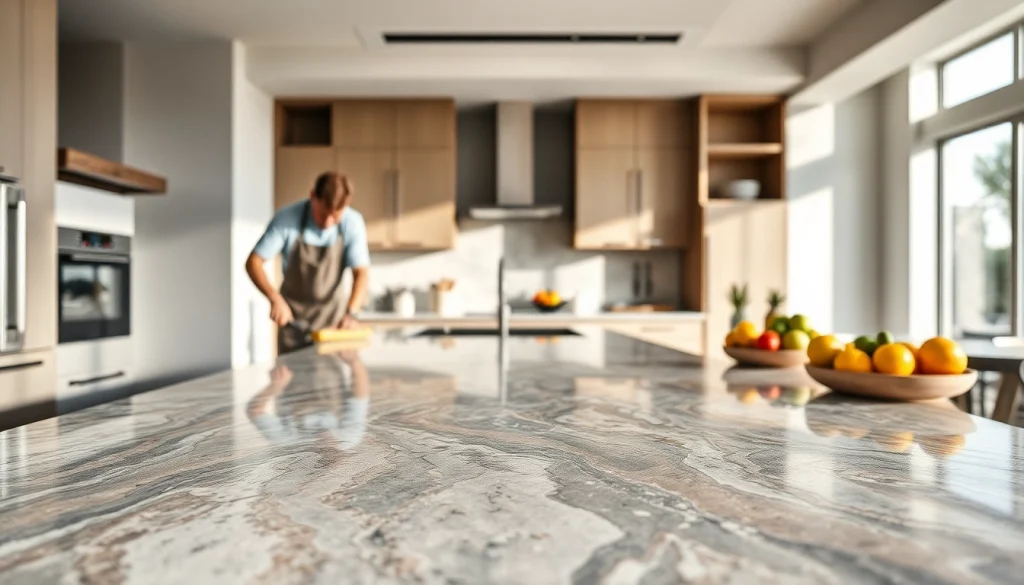
1. Introduction to Sile Stone Quartz
Sile Stone Quartz is rapidly gaining recognition as an upscale option for both residential and commercial surfaces. Known for its unique blend of beauty and practicality, this engineered stone is crafted from natural quartz crystals combined with resins and pigments. This fusion creates a stunning surface that’s not only visually captivating but also robustly functional. For those exploring superior materials, Sile Stone Quartz presents a plethora of advantages that are hard to overlook.
1.1 What is Sile Stone Quartz?
Sile Stone Quartz refers to an advanced composite material made primarily from 90-95% crushed natural quartz, blended with resins, polymer materials, and color pigments. Its high quartz content gives it a shimmering appearance while also contributing to its durability. This engineered stone offers a uniform quality that piecemeal natural stone, like granite or marble, often cannot guarantee. The manufacturing process ensures that each slab has consistent color and pattern, making it a reliable choice for designers and homeowners alike.
1.2 Key Features and Benefits
- Durability: Sile Stone Quartz surfaces are scratch-resistant, stain-resistant, and non-porous, which means they won’t harbor bacteria or viruses. This makes them particularly ideal for kitchens and bathrooms.
- Variety of Colors: With a wide array of colors and finishes available, Sile Stone Quartz can fit any aesthetic, from sleek modern designs to more traditional styles.
- Low Maintenance: Unlike natural stones that require sealing, Sile Stone Quartz is easy to clean—often needing just soap and water to maintain its luster.
- Eco-Friendly Options: Some manufacturers produce Sile Stone Quartz with recycled materials, offering a sustainable choice for environmentally-conscious consumers.
1.3 Common Uses of Sile Stone Quartz
The versatility of Sile Stone Quartz allows it to be used in various applications. Common uses include:
- Kitchen Countertops: With its resilience to heat and stains, Sile Stone Quartz is popular for kitchen surfaces.
- Bathroom Vanities: Its aesthetic appeal and low maintenance make it a favorite for bathrooms.
- Wall Cladding: The uniform appearance makes it ideal for feature walls in both residential and commercial settings.
- Tabletops: Sile Stone Quartz can also be found in dining tables and workstations that require a durable surface.
2. Comparing Sile Stone Quartz with Other Options
2.1 Sile Stone Quartz vs. Granite
When considering options for countertops, a common comparison is between Sile Stone Quartz and granite. Granite is a natural stone known for its unique aesthetics and durability. However, Sile Stone Quartz has several advantages:
- Consistency: Sile Stone Quartz offers a more uniform appearance, which can be appealing for a cohesive design.
- Non-Porosity: Unlike granite, which is porous and must be sealed, Sile Stone Quartz does not require such maintenance, making it more hygienic.
- Color Variety: Sile Stone Quartz comes in a broader range of colors and patterns than granite, allowing for more personalized design.
2.2 Durability and Maintenance Comparison
Regarding durability, both Sile Stone Quartz and granite can withstand heavy use. However, Sile Stone Quartz’s non-porous nature provides advantages in health and longevity:
- Sile Stone Quartz is resistant to stains and scratches, making it easier to maintain than granite, which can absorb spills.
- Granite surfaces often require regular sealing to protect against staining, while Sile Stone Quartz remains resistant without additional treatment.
2.3 Cost Analysis of Various Countertops
The cost of Sile Stone Quartz often falls between high-end laminate and granite. On average, homeowners can expect to pay anywhere from £50 to £100 per square foot for Sile Stone Quartz, depending on color and thickness. This pricing positions it as an excellent investment in terms of longevity and maintenance costs. Comparing costs across materials is critical to achieving the desired balance of aesthetic appeal and practical functionality.
3. Design Inspiration with Sile Stone Quartz
3.1 Kitchen Design Ideas
The kitchen is often termed the heart of the home, and Sile Stone Quartz can elevate any kitchen design. Here are several ideas:
- Monochromatic Themes: Pairing a white Sile Stone Quartz countertop with white cabinetry can create a sleek, modern aesthetic.
- Bold Contrasts: Dark grey or black Sile Stone Quartz can stand beautifully against lighter kitchen elements, creating striking visual interest.
- Accent Islands: Use colorful Sile Stone Quartz countertops on kitchen islands to add an engaging focal point.
3.2 Bathroom Applications
Sile Stone Quartz is equally impactful in bathroom designs. Here’s how to incorporate it:
- Stylish Vanities: A Sile Stone Quartz vanity top can bring both elegance and functionality to bathroom spaces.
- Shower Walls: Utilize Sile Stone Quartz for shower walls, creating a seamless look that’s easy to clean and maintain.
- Accessories: Consider using Sile Stone Quartz for bathroom accessories like shelves or sinks for a coordinated look.
3.3 Unique Commercial Uses
In the commercial sector, Sile Stone Quartz is increasingly favored for its durability. Its common applications include:
- Restaurants: Surfaces in restaurants must endure heavy daily use, making Sile Stone Quartz ideal for bar tops and dining tables.
- Retail Environments: Retail businesses can use it for display cases or countertops for checkouts, providing resilience and a modern appearance.
- Medical Facilities: Its non-porous surface makes it suitable for healthcare environments, where cleanliness is crucial.
4. Installation and Care for Sile Stone Quartz
4.1 Professional Installation Tips
Installing Sile Stone Quartz typically requires professional expertise due to the weight and handling of large slabs. Here are tips to ensure a successful installation:
- Proper Measurement: Accurate measurements are essential to avoid wastage and ensure proper fit.
- Undermount Sink Compatibility: Ensure that your sink chosen can accommodate the thickness of your counter for seamless integration.
- Seam Aesthetics: Position seams in low-traffic areas to minimize visibility while maintaining functionality.
4.2 DIY Maintenance Best Practices
Maintaining Sile Stone Quartz is straightforward, making it appealing to homeowners. Follow these best practices:
- Regular Cleaning: A gentle cleanser or mild soap combined with warm water will keep your surface looking pristine.
- Avoid Harsh Cleaners: Do not use acidic or abrasive cleaning products, as they can damage the surface finish.
- Heat Protection: Although Sile Stone Quartz is heat resistant, using trivets or hot pads can prolong its lifespan.
4.3 Troubleshooting Common Issues
Even with Sile Stone Quartz, issues can arise. Here’s how to troubleshoot:
- Small Chips: Use a resin repair kit specific to quartz to fill minor chips effectively.
- Stains: A mixture of baking soda and water can help lift stubborn stains, but avoid scrubbing too harshly.
- Discoloration: If discolored from heavy use, professional polishing might be necessary to restore its shine.
5. FAQs About Sile Stone Quartz
5.1 Is Sile Stone Quartz heat resistant?
Yes, Sile Stone Quartz is heat resistant, but it’s best to use coasters and trivets to prevent damage from extreme temperatures.
5.2 How does Sile Stone Quartz compare to marble?
Sile Stone Quartz is more resistant to stains and scratches compared to marble, making it easier to maintain than the porous nature of marble.
5.3 Can Sile Stone Quartz be used outdoors?
While some manufacturers promote outdoor use, UV exposure can fade colors. It’s essential to check guidelines specific to the product for outdoor applications.
5.4 What is the lifespan of Sile Stone Quartz?
With proper care, Sile Stone Quartz can last over 15 years, making it a long-term investment in your home or business.
5.5 How to clean Sile Stone Quartz surfaces?
Cleaning is simple; just use mild soap or a gentle all-purpose cleaner with a soft cloth. Avoid harsh chemicals or scouring pads for longevity.