Introduction to smart Switches
In an age where technology seamlessly integrates with daily life, smart Switches emerge as pivotal elements in smart home automation systems. These devices not only enhance convenience but also provide substantial energy efficiency, allowing homeowners to exercise greater control over their living spaces. From managing lighting to creating automated schedules, understanding the world of smart switches can dramatically improve your home experience.
What are smart Switches?
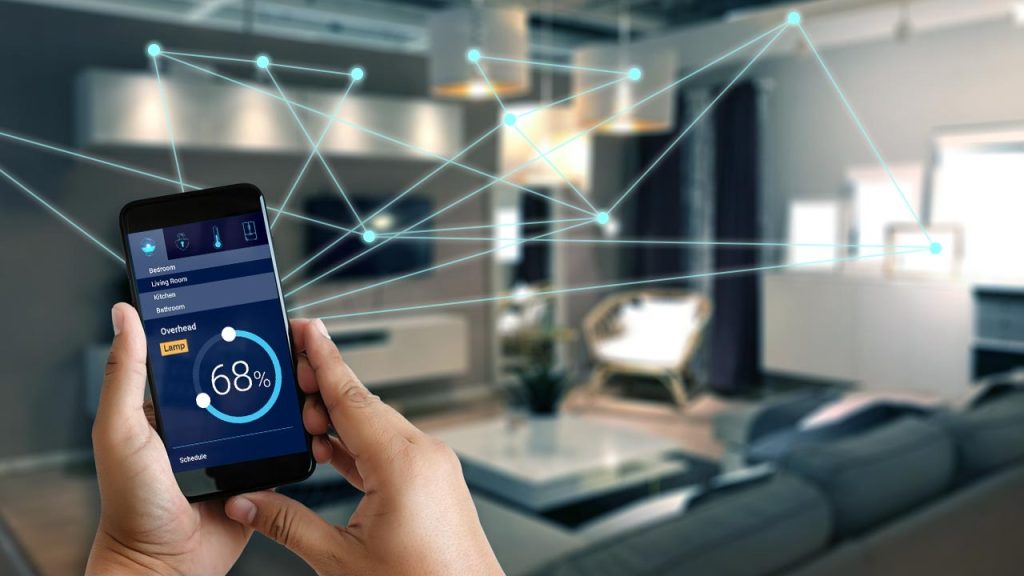
Smart switches are digital devices that replace traditional light switches, enabling remote or automated control of your lights and appliances. They connect to your home’s Wi-Fi network, allowing use through smartphone apps or voice command via digital assistants. With various features like programmable settings, dimming options, and the ability to create lighting scenes, these devices cater to modern needs, enhancing both functionality and ambiance.
Benefits of using smart Switches
The advantages of installing smart switches extend beyond simple lighting control. Here are some key benefits:
- Convenience: Control your lights and appliances from anywhere using your smartphone or voice assistant.
- Energy Efficiency: Smart switches help reduce energy consumption through scheduling and remote operation, leading to lower electricity bills.
- Customization: Create personalized lighting experiences tailored to your lifestyle, such as adjusting brightness levels for different activities.
- Increased Security: Set timers for lights to mimic occupancy when you’re away, enhancing home security.
- Integration: Easily integrate with other smart home devices for comprehensive automation solutions.
Types of smart Switches available
Smart switches come in various types tailored for specific functionalities:
- Wi-Fi Enabled Switches: Directly connect to your home Wi-Fi, allowing control through an app.
- Smart Dimmer Switches: Allow for adjustable lighting levels, providing mood lighting options.
- Plug-in Smart Switches: Transform any traditional plug into a smart outlet, ideal for lamps and appliances.
- Multi-Function Switches: Combine multiple switches in one panel for enhanced control and aesthetic appeal.
- Motion Sensor Switches: Automatic operation when motion is detected, conserving energy in frequently used spaces.
Installation of smart Switches
Preparing your home for smart Switches
Before installing smart switches, ensure that your home is compatible:
- Verify your current wiring setup aligns with smart switch requirements, particularly regarding neutral wires.
- Decide on the locations for your smart switches, considering user convenience and device accessibility.
- Ensure a stable Wi-Fi connection in the areas where you plan to install smart switches.
Step-by-step installation guide
The installation process can vary among brands, but generally, follow these steps:
- Turn Off Power: Always switch off the power at the breaker before starting installation to ensure safety.
- Remove Existing Switch: Take the existing switch off the wall by unscrewing it from the electrical box.
- Connect Wires: Follow the smart switch’s wiring diagram to connect the wires securely.
- Attach Switch to the Wall: Once connected, carefully tuck the wires and screw the smart switch back into the wall.
- Restore Power: Turn the power back on and proceed to configure the switch using its corresponding app.
Common installation challenges
While installing smart switches can be straightforward, common challenges include:
- Incompatible Wiring: Homes lacking a neutral wire may require professional electrical work to retrofit the system.
- Wi-Fi Connectivity Issues: Ensure your router is near the installation sites to avoid connection drops.
- Miswiring: Double-check connections to prevent damage. Consult a professional if uncertain.
Features of smart Switches
Control options: mobile apps and voice assistants
One of the standout features of smart switches is their control options. Most smart switches can be controlled using dedicated mobile applications on smartphones and tablets, which provide a user-friendly interface for adjustments. Additionally, many models support voice commands through popular digital assistants, allowing for hands-free control.
Energy efficiency and cost savings
Smart switches promote energy savings by enabling users to optimize their energy consumption. Scheduling lights to turn on and off at specific times can prevent unnecessary use. Moreover, dimmable smart switches help reduce energy usage when full brightness is not needed, contributing to lower monthly utility bills.
Customization and automation settings
Smart switches are designed to offer customizable settings that suit various needs. Users can set routines that create specific lighting scenes for different activities, such as movie nights or dinner parties. Automating these settings also adds convenience, ensuring the right ambiance is always just a command away.
Choosing the right smart Switches
Key factors to consider
Selecting the ideal smart switch for your home requires evaluating various factors:
- Compatibility: Ensure the smart switch works with your home’s existing wiring and preferred smart home systems.
- Features: Consider your specific needs, such as dimming capabilities or voice control.
- Installation Type: Determine whether you prefer in-wall switches, plug-in options, or a combination of both.
Comparing features and pricing
Smart switches come at various price points depending on their features. Basic models without dimming or advanced controls are more affordable, while multi-functional switches with complex programming capabilities may carry a higher price tag. Assess your needs against your budget to find the best fit.
Recommendations for different needs
Depending on individual preferences, the following options may suit different households:
- Families: A smart dimmer with scheduling can help set routines for kids’ bedtimes.
- Tech Enthusiasts: Smart switches with advanced voice control for complete home automation integration.
- Seniors: Simplified models with easy mobile app interfaces or large buttons for lower-tech users.
FAQs about smart Switches
Do smart Switches require a hub?
Not all smart switches need a hub. Some operate directly through your home Wi-Fi network, allowing for easier setup and management.
Can I control smart Switches remotely?
Yes, most smart switches allow remote control via dedicated apps, enabling you to manage your devices from anywhere.
Are smart Switches compatible with all homes?
While many homes can accommodate smart switches, ensure compatibility with your existing wiring, particularly checking for a neutral wire.
How do smart Switches save energy?
Smart switches save energy by allowing scheduled on/off times and dimming options, helping reduce energy consumption when lights aren’t needed.
What are the safety features of smart Switches?
Smart switches often include features such as surge protection, child-lock functions, and overheat protection for added safety.
Conclusion
Incorporating smart switches into your home can significantly enhance both convenience and energy efficiency. Understanding their features, installation methods, and the types available empowers homeowners to make informed decisions. As technology continues to evolve, smart switches represent a pivotal step toward smarter living spaces that promote sustainability and ease.