
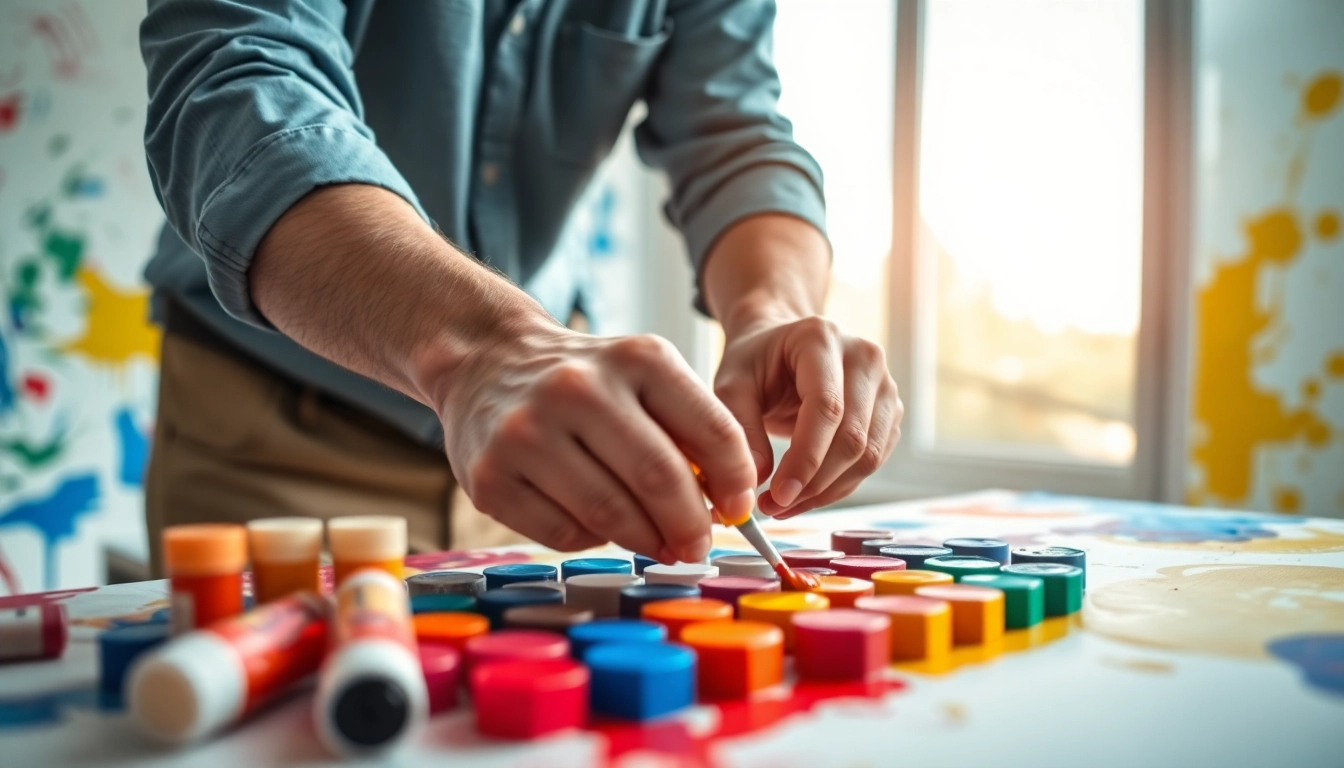
Understanding Acrylic Paints
What Are Acrylic Paints?
Acrylic paints are a type of fast-drying paint composed of pigment suspended in an acrylic polymer emulsion. They are known for their versatility, allowing artists to work in a variety of styles and techniques. With the ability to be diluted with water, acrylics can produce both thin washes akin to watercolor and thick, impasto textures reminiscent of oil paints. This unique characteristic makes them a favored medium among numerous artists, from beginners to seasoned professionals who appreciate their quick drying time and vibrant colors.
Chemical Composition and Properties
The primary component of acrylic paint is the binder, a synthetic acrylic polymer that provides adhesion, flexibility, and durability once dried. The pigment used in acrylics varies depending on the desired color and opacity. These pigments can be organic, which are often brighter and more intense, or inorganic, which are typically more subdued and less prone to fading. Additionally, acrylic paints are water-resistant once dry, making them suitable for various artistic applications without the concern of washout or smudging.
Different Types of Acrylic Paints
There is a wide range of acrylic paints available, each tailored to specific needs and preferences:
- Heavy Body Acrylics: These paints have a thick consistency and retain brush strokes, perfect for impasto techniques.
- Soft Body Acrylics: These fluid paints are ideal for glazing and fine detail work.
- Acrylic Fluids: Extremely fluid, these are suitable for pouring techniques and wash applications.
- Acrylic Gouache: A matte finish and opaque coverage make this a favorite for design and illustration work.
- Interference and Metallic Acrylics: These special formulations add shimmer and reflection that can be used for both highlights and background effects.
Application Techniques
Brush Techniques for Acrylic Painting
The application of acrylic paints using brushes is fundamental in achieving various effects. Different brush types, such as round, flat, and filbert, allow artists to manipulate paint application significantly. Techniques include:
- Dry Brushing: This technique involves applying paint lightly on the surface, which can create a textured look.
- Washing: A thin layer of transparent paint over a dry surface that adds depth and variations in color.
- Glazing: Using transparent layers of color to enrich and alter underlying hues, which is especially effective in creating depth.
Using Palette Knives and Other Tools
Palette knives are versatile tools used with acrylic paints to create textures and sharp edges that brushes cannot achieve. They can be employed for applying paint in a thick layer, scraping, or blending colors directly on the surface. Other tools, like sponges and rags, contribute unique textures and blended effects that add dimension to acrylic artwork.
Mixed Media with Acrylics
Acrylic paints lend themselves exceptionally well to mixed media work. Artists often combine acrylics with other materials such as pastels, charcoal, or collage techniques. The adaptability of acrylics allows for experimentation, letting artists layer different media to create remarkable and unique artworks. For instance, artists may incorporate fabric, paper, or even found objects into their work, using acrylic paint to unify the various elements visually.
Common Challenges and Solutions
Dealing with Sticky Acrylic Paints
It’s not uncommon for acrylic paints to become sticky during the painting process. This is often due to inadequate drying times or environmental factors such as high humidity. To remedy this, consider the following:
- Ensure proper ventilation while painting, as airflow assists in drying.
- Use a drying medium or retarder mixed into the paint to prolong drying time and prevent stickiness.
- Apply thin layers of paint, allowing each layer to dry before applying the next.
Fixing Mistakes in Acrylic Art
One of the advantages of acrylic paint is its forgiving nature. Mistakes can often be corrected easily. Techniques involve:
- Scraping: Using a palette knife to gently scrape off areas of paint that are undesirable.
- Layering: Overlaying mistakes with new paint can effectively mute or conceal flaws.
- Water and Rubbing: When still wet, mistakes can be diluted and manipulated using a damp cloth or brush.
Maintaining Your Acrylic Paints
To keep your acrylic paints in optimal condition, follow these best practices:
- Store paints in a cool and dry place, tightly sealed to prevent drying out.
- Try to minimize exposure to extreme temperatures, which can affect the consistency and quality of the paint.
- Regularly clean your brushes and tools to keep them in good shape and maintain clean color application.
Advanced Techniques
Layering and Glazing Techniques
Advanced painters often use layering and glazing for complex effects. Layering creates depth through multiple applications of paint. To apply this technique effectively:
- Start with a low-opacity wash of color, building deeper tones in layers.
- Allow each layer to dry fully before applying the next for sharp color definition between layers.
Glazing, on the other hand, involves using a transparent layer of paint to modify the color beneath it. This is particularly useful in portrait painting to create lifelike skin tones.
Creating Texture in Acrylic Paints
Texture adds another dimension to acrylic artworks, creating tactile and visual interest. Techniques to enhance texture include:
- Incorporating gels or mediums mixed with acrylic paint to create raised surfaces.
- Using palette knives and sponges to achieve impasto or other textural effects.
- Experimenting with salt or sand combined into wet acrylics to generate unique surfaces.
Exploring Acrylic Pouring
Acrylic pouring has gained popularity as a contemporary artistic technique. It involves pouring fluid acrylics onto a surface to create stunning abstract designs. The vital elements of successful pouring include:
- Using a pouring medium to achieve the correct fluidity of paint.
- Layering colors in a cup before pouring, allowing for unique color interactions.
- Utilizing various pouring techniques such as the dirty pour, flip cup, or swipe methods to achieve different patterns and effects.
Learning and Resources
Online Tutorials and Courses
The digital age has made it easier than ever for aspiring artists to learn acrylic painting techniques through online platforms. Websites and courses offer a wealth of knowledge, covering everything from basics to advanced strategies.
Platforms like video-sharing sites host numerous tutorials featuring step-by-step guides to help build your skills. Additionally, some art supply companies offer instructional content to pair with their products.
Books and Materials for Acrylic Artists
Many established artists have penned instructional books designed to guide beginners through the creative process of acrylic painting. These books often include illustrated examples, color theory explanations, and insights into various techniques. Investing in good-quality art supplies is also crucial, as the quality of the materials can significantly impact the final result.
Community and Forums for Acrylic Enthusiasts
Cultivating meaningful connections within art communities can play a significant role in an artist’s growth. Online forums and social media groups dedicated to acrylic painting allow exchange, feedback, and support among artists. Participating in these communities helps foster creativity through collaboration and shared experiences.
For comprehensive resources on acrylic paints and techniques, visit https://acrylicpedia.com. This platform offers in-depth articles that can assist both novice and experienced artists in their acrylic painting journey.