Introduction to Gardening Basics
Gardening is one of the most fulfilling activities one can engage in. It not only allows individuals to cultivate beautiful plants but also provides fresh produce and herbs right from your backyard. As a fundamental skill, Gardening encompasses learning about various soil types, climate conditions, and the ecosystems that support plant life. Whether you are a novice or have some experience under your belt, understanding the essential components of gardening can significantly enhance your green thumb.
Understanding Types of Gardening
There are several approaches to gardening, each offering unique rewards and challenges. Broadly speaking, the major types include:
- Traditional Gardening: Ideal for those with space in their backyards, this form typically features planting directly in the ground.
- Container Gardening: Perfect for urban environments, container gardening allows you to grow plants in pots, making it easier to manage space and care.
- Raised Bed Gardening: This method involves creating raised beds filled with soil, providing better drainage and soil quality while reducing the need for bending over.
- Vertical Gardening: Suitable for small areas, vertical gardening utilizes walls or trellises to grow plants upwards, offering more room for a variety of species.
- Hydroponic Gardening: Involves growing plants without soil, using nutrient-rich water solutions, making it a great alternative for those interested in high-tech gardening.
Each type of gardening has its own set of tools, techniques, and plants that flourish better in certain conditions. Understanding your own preferences and the environment at hand will guide your choice.
Essential Gardening Tools You Need
Having the right tools is crucial for any gardening endeavor. Essential tools to consider include:
- Hand Trowel: This small tool is perfect for digging, planting, and removing weeds.
- Pruning Shears: Effective for cutting plants and maintaining their shapes, shears play a vital role in plant care.
- Garden Fork: Great for turning soil and aerating compacted ground.
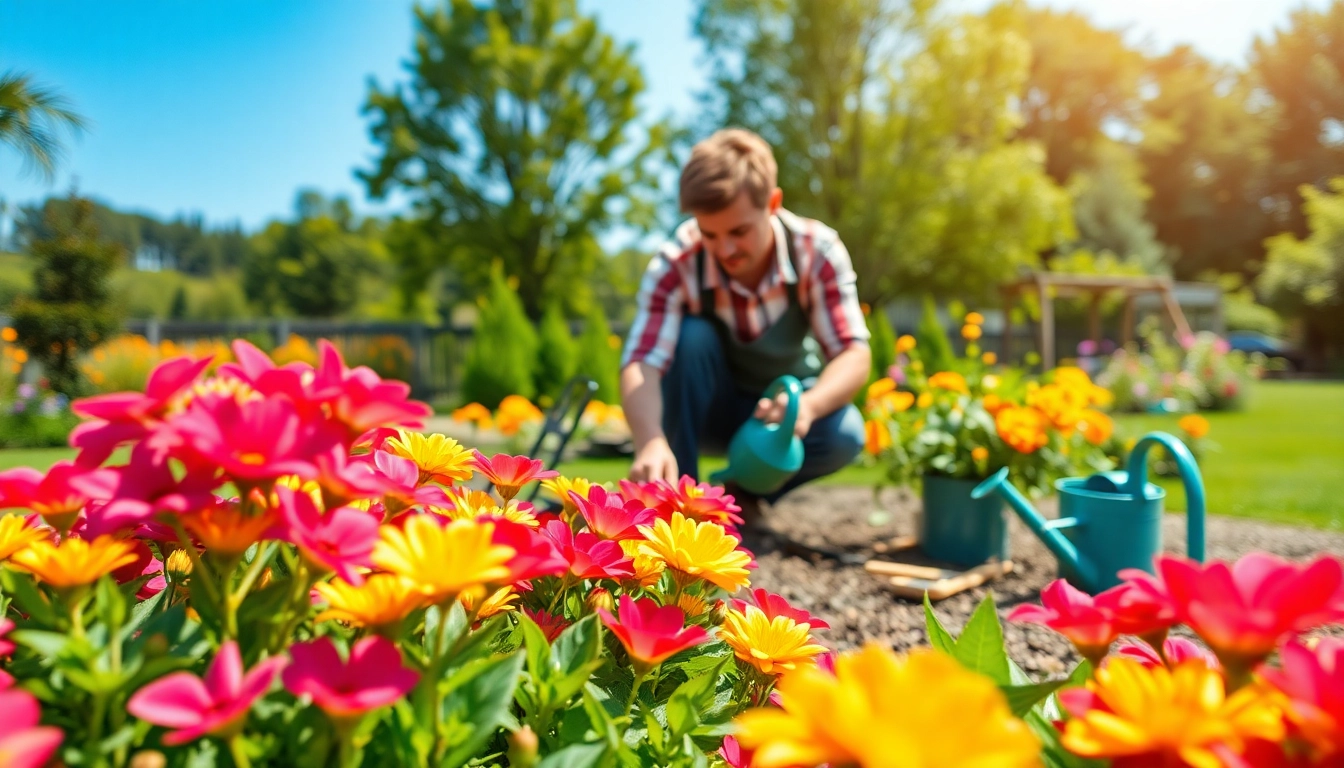
- Watering Can: This essential tool helps deliver water directly where it’s needed most.
- Gloves: Protect your hands from dirt, cuts, and blisters while working in the garden.
Investing in quality tools can make tasks more efficient and enjoyable, ultimately enhancing your gardening experience.
Setting Up Your Gardening Space
Location is critical when establishing your garden. Here are some key factors to consider:
- Sunlight: Most plants require at least 6-8 hours of sunlight daily. Observe your gardening space to identify the sunniest areas.
- Access to Water: Proximity to a water source simplifies your watering routine, ensuring your plants stay hydrated and healthy.
- Soil Quality: Rich, well-drained soil is vital. If your existing soil is poor, consider amending it or using raised beds with quality soil.
- Protection from Wind: If possible, choose a sheltered spot or provide windbreaks to protect delicate plants.
By methodically assessing these elements, you can set up an ideal gardening space that promotes growth and sustainability.
Choosing the Right Plants for Your Garden
Once your space is ready, the next step is selecting the plants that best fit your gardening goals and environment.
Climate Considerations for Plant Selection
Your local climate can significantly affect the types of plants that will thrive in your garden. Here are some climate-related considerations:
- Hardiness Zones: Familiarize yourself with your USDA hardiness zone, which helps identify plants that can withstand local temperatures.
- Sun Exposure: Determine whether your space receives full sun, partial shade, or full shade, as this will influence plant selection.
- Rainfall Patterns: In regions prone to drought, opt for drought-resistant plants; conversely, choose moisture-loving plants in wetter areas.
By understanding your local climate, you can select plants that will have the best chance of thriving.
Annual vs. Perennial Plants
Knowing the difference between annuals and perennials is crucial for planning your garden:
- Annuals: These plants complete their life cycle in one growing season, offering vibrant colors and foliage, making them great for immediate visual impact.
- Perennials: Survive for multiple growing seasons, perennials typically require more initial effort but will produce reliably year after year.
A combination of both can create a dynamic and constantly evolving garden throughout the seasons.
Herbs and Vegetables to Grow
Growing your own herbs and vegetables can lead to delicious meals while minimizing grocery store trips. Here are some popular options:
- Basil: Easy to grow, basil thrives in warm weather and is perfect for cooking.
- Tomatoes: A garden staple, tomatoes come in numerous varieties and require adequate sunlight and support as they grow.
- Carrots: These root vegetables can be sown directly into the ground and are relatively low-maintenance.
- Mint: A hardy herb that grows vigorously; consider planting it in containers to control its spread.
Whether for culinary use or enjoyment, selecting the right herbs and vegetables can make your gardening experience even more rewarding.
Soil Preparation and Fertilization Techniques
Preparing your soil correctly is vital for plant health and growth. This section addresses crucial preparation aspects.
Testing Soil Quality
Understanding your soil’s composition and quality greatly influences plant health. It’s advisable to conduct a soil test to evaluate:
- pH Levels: Most plants thrive in slightly acidic soil (pH 6.0 to 7.0). Soil testing kits can help you determine the correct pH level.
- Nutrient Content: A quality test can identify deficiencies in essential nutrients such as nitrogen, phosphorus, and potassium.
- Soil Texture: Knowing whether your soil is sandy, clay, or loamy helps in deciding how to amend it for optimal growth.
Utilizing the results from your soil tests allows for targeted amendments that promote a thriving garden.
Adding Nutrients for Healthy Growth
Incorporating nutrients into your soil can provide your plants with the necessary building blocks for growth. Consider the following methods:
- Composting: This method increases soil organic matter and provides a slow-release source of nutrients.
- Mulching: This practice involves applying organic materials on soil surfaces to enhance water retention and nutrient supply.
- Crop Rotation: Alternating crops each year can prevent nutrient depletion and keep soil healthy.
Taking these steps can significantly boost soil fertility and plant health.
Organic vs. Chemical Fertilizers
Understanding the difference between organic and chemical fertilizers will aid in making informed choices:
- Organic Fertilizers: Made from natural materials, these fertilizers enhance soil health over time and promote beneficial microbial activity.
- Chemical Fertilizers: Providing nutrients in a quicker, more concentrated form, chemical fertilizers can lead to rapid plant growth but may deplete soil health over time if used excessively.
Choosing the right type of fertilizer depends on your gardening philosophy and long-term goals for soil health.
Watering Strategies for Optimal Plant Health
Water management is crucial in gardening. An effective watering strategy can determine the success of your plants.
Understanding Your Plants’ Water Needs
Different plants have varying water requirements, so understanding these needs is vital:
- Establish Plant Types: Identify whether your plants are drought-resistant, average, or water-loving to tailor your watering schedule.
- Soil Moisture Levels: Monitor the soil moisture before watering; overwatering can lead to root rot while underwatering can stress plants.
Adapting your watering habits based on individual plant requirements will ensure healthier and more robust growth.
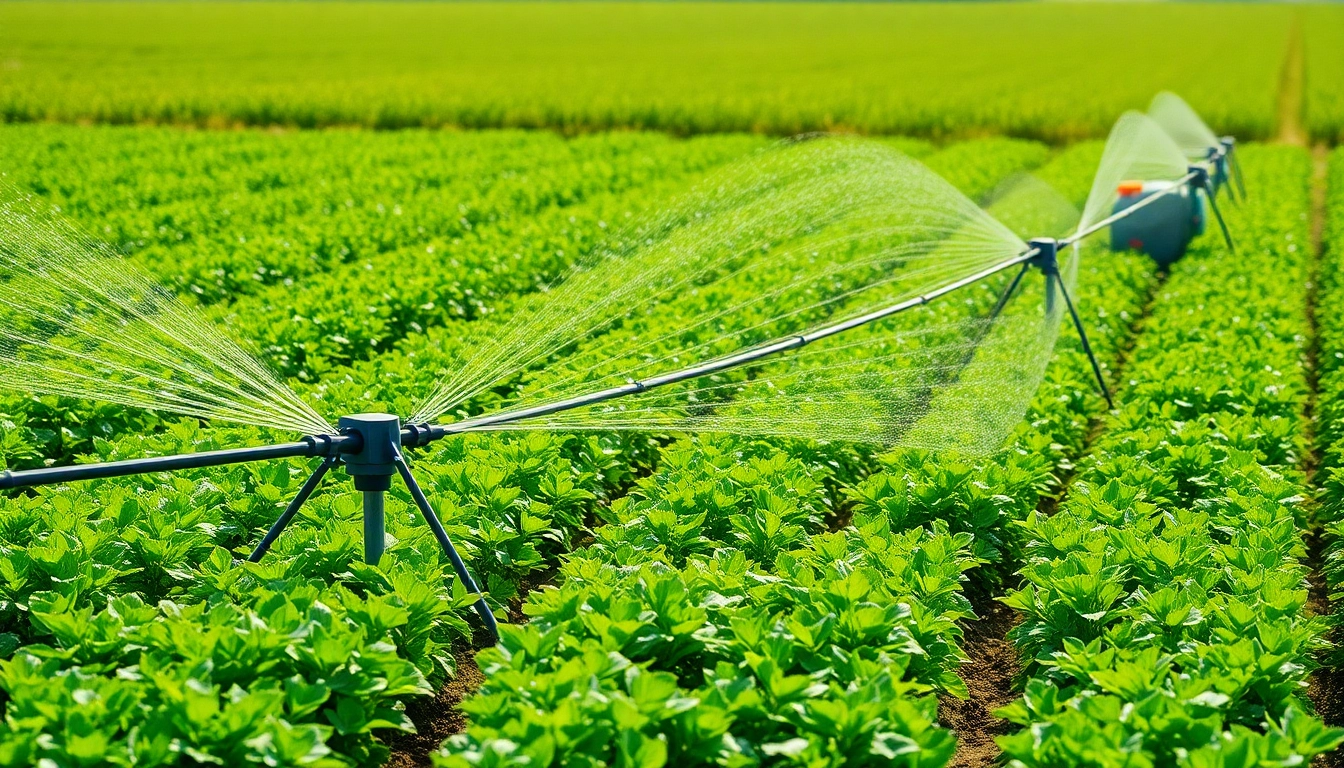
Irrigation Systems and Techniques
Investing in an efficient irrigation system can save both time and resources:
- Drip Irrigation: This method allows slow, targeted watering directly at the root zone, conserving water and reducing evaporation.
- Soaker Hoses: These porous hoses distribute water evenly along the length and can be laid out in beds for gradual soaking.
- Rainwater Collection: Utilizing rain barrels helps conserve water and can provide a cost-effective solution for irrigation.
Implementing an effective irrigation system can significantly enhance your gardening efficiency and sustainability.
Common Watering Mistakes to Avoid
Avoiding common mistakes with watering can prevent severe consequences:
- Overwatering: Too much water can suffocate roots and foster disease.
- Inconsistent Watering: Frequent changes in watering habits can stress plants, leading to wilting or growth issues.
- Watering Leaves: Focusing on leaves instead of roots can lead to fungal diseases.
By being mindful of these mistakes, you can create a more thriving garden environment.
Pest and Disease Management in Gardening
Managing pests and diseases is essential for maintaining a healthy garden. Understanding prevention and control techniques can save time, effort, and resources.
Identifying Common Garden Pests
Getting acquainted with common pests helps in swift identification and management:
- Aphids: These small insects suck sap from plants, weakening them and transmitting diseases.
- Spider Mites: These pests cause discoloration and stippling on leaves due to their feeding habits.
- Slugs and Snails: These mollusks feed on tender leaves and can cause significant damage in wet conditions.
Identifying pests early enables you to act quickly before they can cause substantial damage.
Implementing Preventative Measures
Proactive measures can reduce the likelihood of pest infestations:
- Beneficial Insects: Attract useful insects, such as ladybugs and lacewings, which feed on pest populations.
- Crop Rotation: Rotating plant families helps break pest cycles.
- Companion Planting: Certain plants can deter pests naturally; for example, marigolds can repel nematodes.
Implementing these practices establishes a protective environment against garden pests.
Natural Remedies for Pest Control
If pests do invade, natural remedies can be an effective way to manage them:
- Neem Oil: This natural pesticide disrupts pest development and is safe for beneficial insects when applied correctly.
- Insecticidal Soap: Effective against soft-bodied pests like aphids, soap can suffocate them without harming the plants.
- Garlic Spray: A homemade garlic spray can deter various garden pests without the need for harsh chemicals.
These solutions provide effective management options while remaining environmentally friendly.
In conclusion, mastering the basics of Gardening allows enthusiasts to create thriving environments, offering both beauty and functionality. Whether you are growing flowers, herbs, or fresh vegetables, applying the insights from this comprehensive guide will enhance your gardening experience and yield satisfying results.